

What is a Gypsum and Fly Ash Powder Material Conveying Line? And What Are Its Design Principles?
For industries dealing with bulk materials like gypsum and fly ash, efficient material handling is crucial. A gypsum and fly ash powder material conveying line is a specialized system designed to transport these fine powders from one location to another with precision and reliability. This article explores what such a system entails and the fundamental design principles that govern its operation.
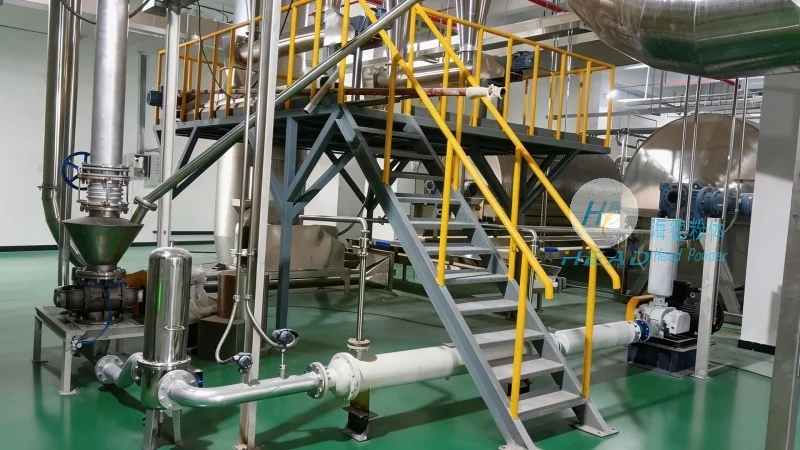
Understanding the Core Function of These Conveying Systems
The primary function of a gypsum and fly ash powder conveying line is to move large volumes of fine, dry powders over varying distances. These materials are often used in construction, power generation, and industrial manufacturing, where consistent and controlled transport is essential for maintaining product quality and operational efficiency. The system typically involves a combination of equipment such as feeders, conveyors, and control mechanisms to ensure smooth material flow.
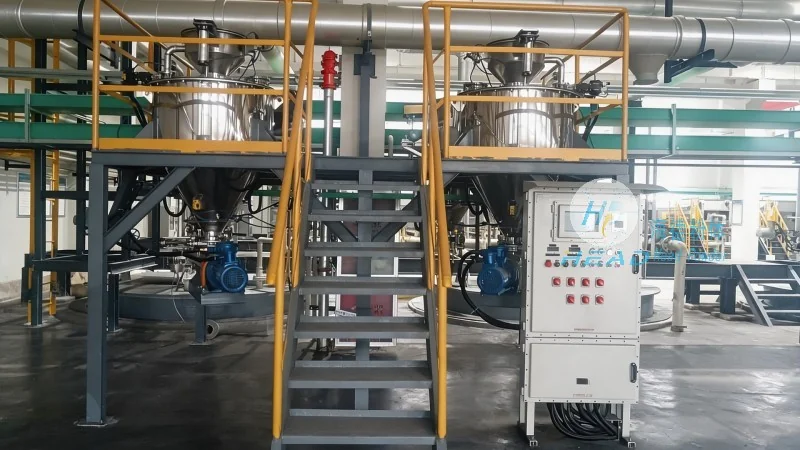
Key Design Principles Behind the Systems
Designing a gypsum and fly ash powder conveying line requires careful consideration of several key principles. First, the system must address the unique properties of the materials, including their dustiness, abrasiveness, and tendency to clog or agglomerate. Engineers must select appropriate equipment, such as pneumatic or mechanical conveyors, to handle these characteristics effectively. Second, the design emphasizes energy efficiency and minimal material loss, as these powders are often valuable and costly. Third, safety and environmental compliance are critical, as the handling of powders can generate dust and require proper containment measures.
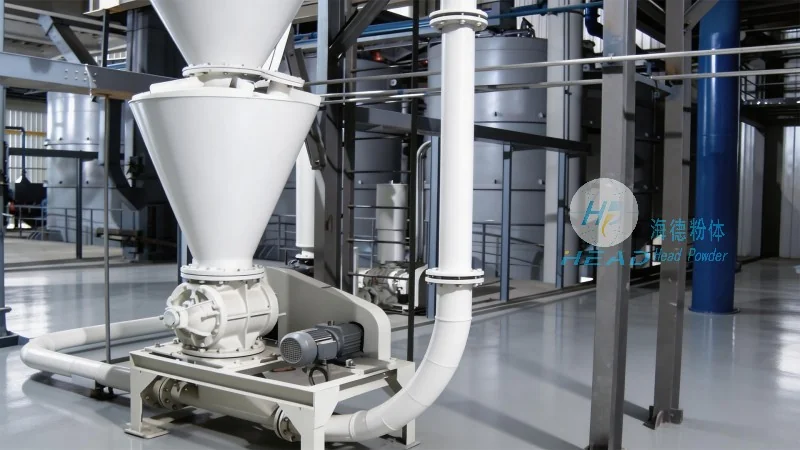
Components and Their Roles in the Conveying Process
Several components work together to form a complete conveying line. The feed system, often a rotary valve or a screw feeder, ensures a consistent flow of material into the conveyor. The conveyor itself, which may be a pneumatic duct system or a mechanical belt conveyor, transports the material to the discharge point. A control panel manages the entire process, allowing operators to adjust speed, pressure, or other parameters as needed. Additionally, dust collection systems and filtration units are integrated to minimize environmental impact and protect equipment from wear.
Application Scenarios and Industry Relevance
These conveying lines are widely used in various industries. In the construction sector, they transport gypsum for drywall production, while in power plants, they handle fly ash from coal combustion. The systems are also employed in industrial facilities that process minerals or chemicals, where precise material transfer is vital for downstream processes. The flexibility of these lines allows them to adapt to different production scales and operational requirements, making them a versatile solution for bulk material handling.
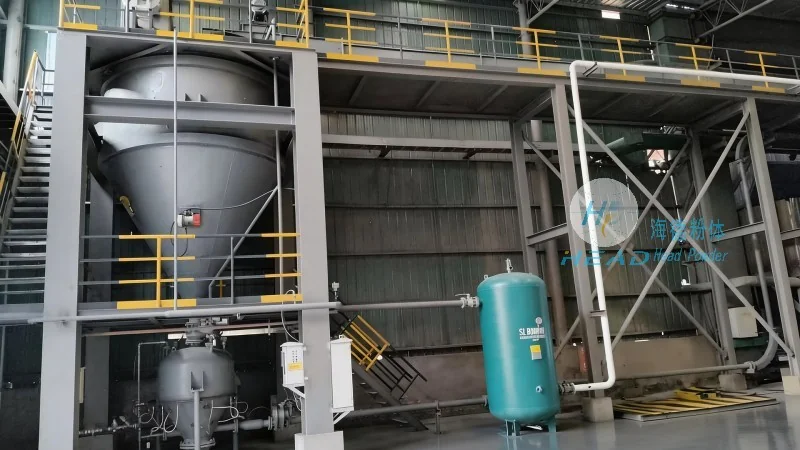
Company Profile: Shandong HeadPowder Engineering Co., Ltd.
Shandong HeadPowder Engineering Co., Ltd., commonly known as headpowder, is a leading provider of material handling solutions. With a focus on innovation and customer-centric design, the company specializes in developing customized conveying systems for industries dealing with fine powders. Headpowder is headquartered in Shandong, China, and serves clients globally with expertise in engineering, manufacturing, and installation. The company's commitment to quality and reliability ensures that its conveying lines meet the highest standards of performance and safety.