

What is a Cobalt Hydroxide Material Handling Conveyor? What Are Its Design Principles?
Understanding the Cobalt Hydroxide Material Handling Conveyor and Its Design Principles
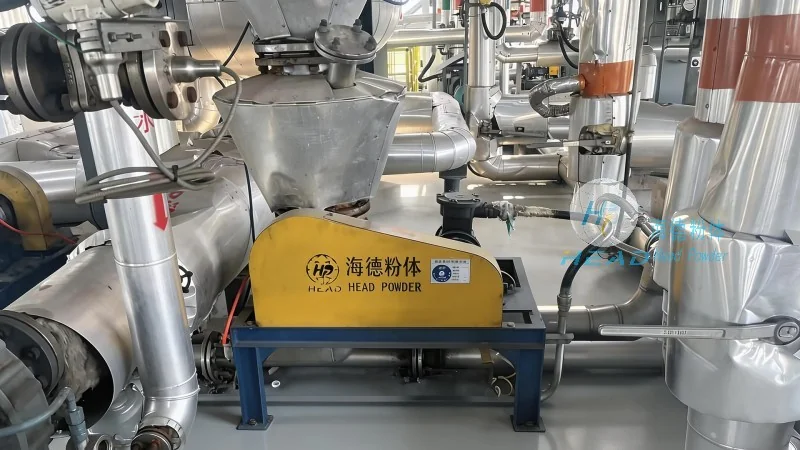
HeadPowder, a leading engineering company based in Shandong, China, specializes in the design and manufacturing of specialized material handling systems. One of their key products is the cobalt hydroxide material handling conveyor, a critical piece of equipment used in the processing and transportation of cobalt hydroxide, a vital component in modern battery technology. This article explores what this conveyor system is and the underlying design principles that make it effective for industrial applications.
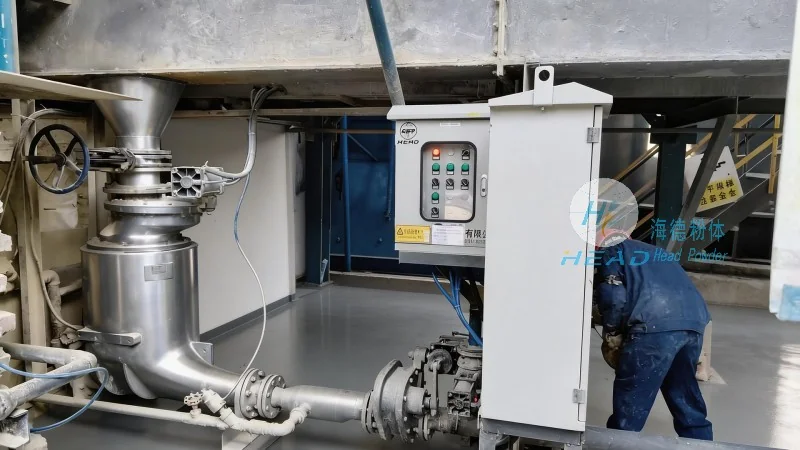
What is a Cobalt Hydroxide Material Handling Conveyor?
A cobalt hydroxide material handling conveyor is a specialized type of conveyor system engineered to safely and efficiently transport cobalt hydroxide, a fine powder or granular material, through various stages of processing. Cobalt hydroxide is widely used as a precursor in the production of lithium-ion batteries, making its handling and transportation essential for the battery manufacturing industry. The conveyor system is designed to handle the unique properties of cobalt hydroxide, such as its fine particle size, potential for dust generation, and the need for controlled environmental conditions to prevent contamination or degradation. The system typically integrates with other processing equipment, such as hoppers, mixers, and dryers, to form a seamless material flow process.
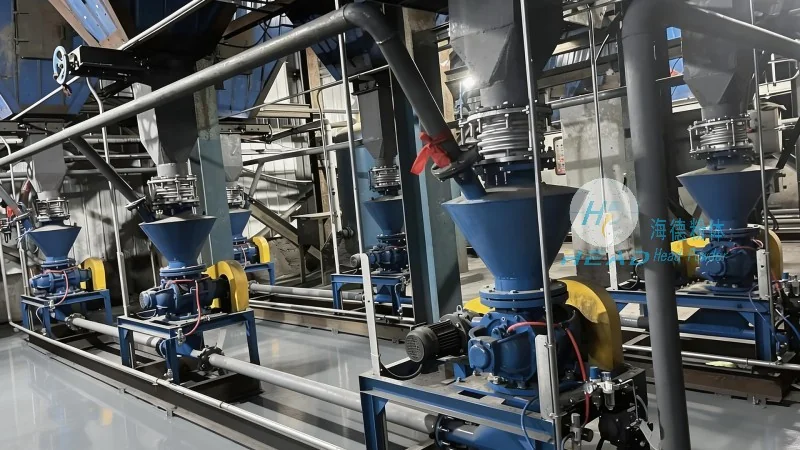
Key Design Principles of the Conveyor System
The design of a cobalt hydroxide material handling conveyor is built on several fundamental principles to ensure optimal performance, safety, and efficiency. These principles include:
- Material Compatibility: The conveyor components, including belts, rollers, and housing, are constructed from materials that are resistant to corrosion and chemical reactions with cobalt hydroxide. This prevents contamination of the material and ensures the longevity of the equipment. For example, stainless steel or specialized polymers are often used for parts that come into direct contact with the material.
- Dust Control and Containment: Given that cobalt hydroxide is a fine powder, dust control is a critical design consideration. The conveyor system incorporates features like enclosed housing, dust extraction ports, and sealed joints to minimize dust dispersion and maintain a clean working environment. The system may also include HEPA filters or other air purification systems to ensure that any airborne particles are captured and removed.
- Controlled Environment: Many cobalt hydroxide processing facilities require specific temperature and humidity levels to prevent the material from degrading or reacting with moisture. The conveyor system is often integrated with environmental control systems, such as HVAC units or dehumidifiers, to maintain these conditions throughout the material's journey. This is particularly important in regions with high humidity or temperature fluctuations.
- Efficient Material Transfer: The design focuses on minimizing material degradation and ensuring smooth, continuous transfer. This includes using gentle handling mechanisms, such as low-friction belts or specialized feed mechanisms, to prevent agglomeration or breakage of the cobalt hydroxide particles. The conveyor may also include vibration or agitation features to ensure even distribution of the material, especially when moving from hoppers to processing units.
- Safety and Compliance: The conveyor is designed to meet industrial safety standards and regulations, particularly those related to handling hazardous materials. Features like emergency stop buttons, safety guards, and proper ventilation systems are incorporated to protect operators and the environment. The system may also include interlocks that prevent operation when safety doors are open, further enhancing operational safety.
How the Conveyor Works in Practice
In practice, a cobalt hydroxide material handling conveyor operates by transporting the material from one processing stage to another. For example, it may move the material from a storage hopper to a mixing or drying unit, or from a filtration system to a packaging area. The conveyor's design ensures that the material is moved without excessive force or friction, preserving its quality and preventing contamination. The system typically includes sensors and controls that monitor the material flow, speed, and any potential issues, allowing for real-time adjustments to maintain optimal performance. For instance, if the material flow is interrupted or the conveyor speed is too high, the system can automatically slow down or stop to prevent material spillage or damage.
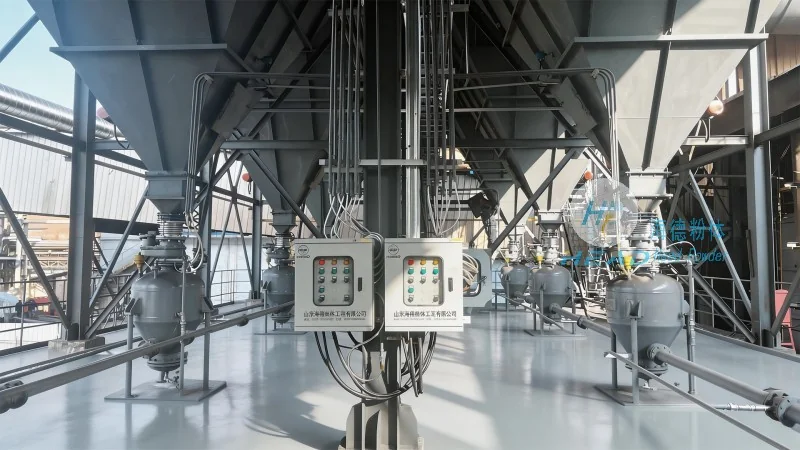
Benefits of Using a Cobalt Hydroxide Material Handling Conveyor
Implementing a specialized conveyor system for cobalt hydroxide offers several advantages for industrial operations: