

What is a Graphite Electrode Material Conveying Line? And What Are Its Design Principles?
Graphite electrode material conveying lines are specialized industrial systems engineered to transport raw materials or finished products related to graphite electrodes. These systems are integral to the manufacturing and processing workflows within the graphite electrode industry, ensuring efficient material handling from raw material storage to production stages. Understanding the components and design principles of such lines is crucial for optimizing production efficiency and maintaining product quality.
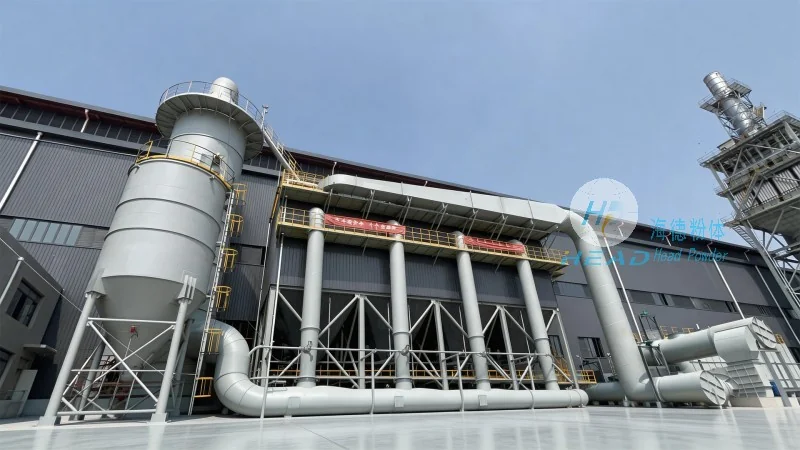
Overview of Graphite Electrode Material Conveying Lines
A graphite electrode material conveying line typically consists of a series of interconnected equipment designed to move materials in a controlled manner. The system may include components like feeders, conveyors (such as belt conveyors, screw conveyors, or pneumatic conveyors), storage silos, and control systems. The primary goal is to facilitate the seamless transfer of materials, reducing manual labor and minimizing the risk of material loss or contamination. These lines are often customized to meet the specific requirements of the production process, including material type, size, and the desired throughput rate.
Key Design Principles for Efficient Material Handling
The design of a graphite electrode material conveying line is guided by several critical principles aimed at maximizing operational efficiency and reliability. One of the fundamental principles is the selection of appropriate conveying equipment based on the physical properties of the material being handled. For instance, materials with high bulk density or abrasive characteristics may require robust belt conveyors or heavy-duty screw conveyors to prevent wear and ensure consistent flow. Additionally, the system must be designed to maintain material integrity, avoiding breakage or degradation during transport. This is achieved through careful consideration of conveyor speed, inclination, and the use of protective coatings or liners.
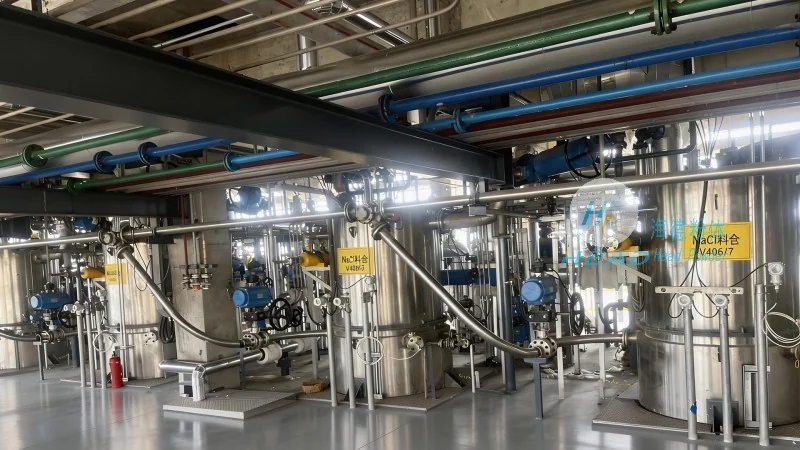
Another key design principle is the integration of storage and feeding mechanisms to ensure a steady supply of materials to the production line. Storage silos or hoppers are often incorporated to buffer raw material supply, allowing for continuous operation even when raw material delivery is interrupted. The feeding system, which may include rotary valves or feeders, must be capable of delivering materials at a consistent rate, matching the processing speed of downstream equipment. This synchronization is critical to prevent bottlenecks or overloading of processing machinery.
Control and Automation in Graphite Electrode Conveying Systems
Modern graphite electrode material conveying lines are increasingly equipped with advanced control and automation features to enhance operational performance. These systems often utilize programmable logic controllers (PLCs) and sensors to monitor and regulate the conveying process. Sensors can detect material levels in silos, detect blockages or jams in conveyor belts, and adjust conveyor speeds in real-time. This automation not only improves efficiency but also enhances safety by reducing the need for manual intervention in potentially hazardous environments. Additionally, data logging and monitoring capabilities allow operators to track system performance, identify potential issues, and perform predictive maintenance to minimize downtime.
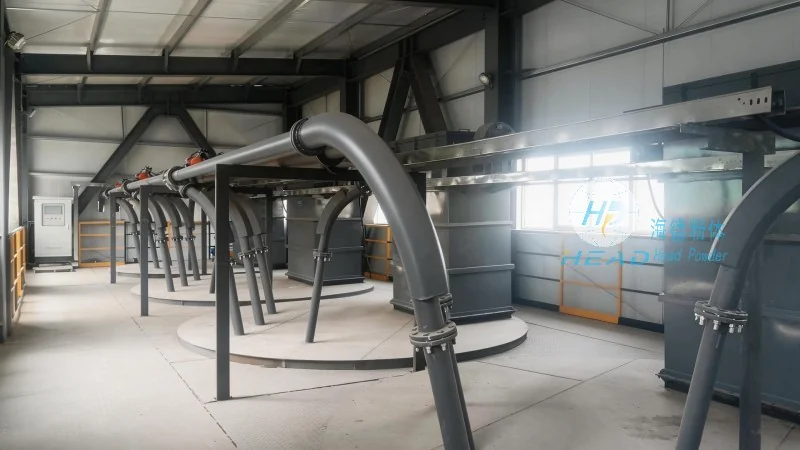
Customization and Scalability: Tailoring Conveying Lines to Production Needs
Due to the diverse nature of graphite electrode manufacturing processes, conveying lines are often customized to meet specific production requirements. Manufacturers may need to handle different types of raw materials, such as petroleum coke, calcined petroleum coke, or other additives, each with unique handling characteristics. The conveying system must be adaptable to accommodate these variations, which may involve changes in conveyor type, material flow rates, or storage capacity. Furthermore, as production scales expand, the conveying line can be designed with scalability in mind, allowing for future expansion or integration with additional processing equipment without major modifications. This flexibility ensures that the system remains effective as production needs evolve over time.
Conclusion: The Importance of Well-Designed Conveying Lines in Graphite Electrode Manufacturing
In conclusion, graphite electrode material conveying lines play a vital role in the efficient and reliable operation of graphite electrode manufacturing facilities. By adhering to sound design principles, incorporating advanced control systems, and customizing solutions to meet specific production needs, these lines contribute significantly to overall production efficiency and product quality. The expertise of companies like Shandong HeadPowder Engineering Co., Ltd., based in China, is instrumental in developing and implementing such tailored conveying systems, ensuring that clients can achieve optimal performance in their graphite electrode production processes.