

What is a Soybean Feed Material Conveying Line? What are its Design Principles?
Understanding the soybean feed material conveying line is crucial for optimizing the efficiency of feed processing operations. This equipment is specifically designed to handle the transportation of soybean-based feed materials from one processing stage to another, ensuring a smooth and continuous workflow in feed production facilities.
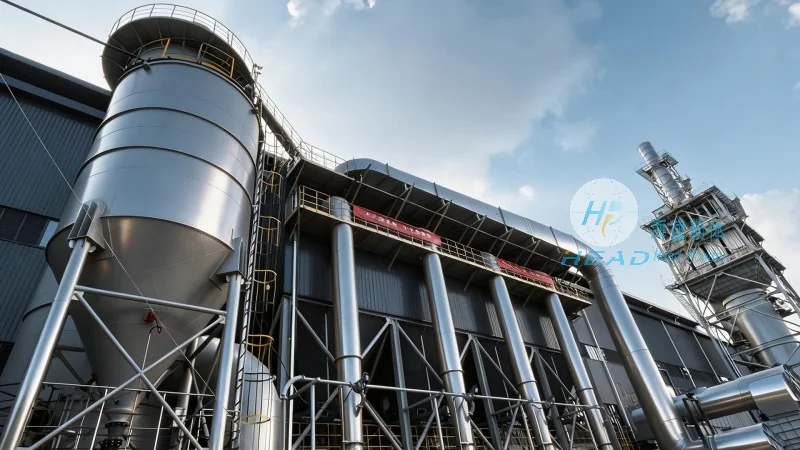
Overview of Soybean Feed Material Conveying Lines
A soybean feed material conveying line is a specialized system used in the feed industry to transport raw or processed soybean materials. These lines are integral to feed manufacturing processes, as they facilitate the movement of soybean feed from storage areas, processing units, and packaging sections. The design of such lines is tailored to meet the unique characteristics of soybean feed, including its moisture content, particle size, and bulk density, which can affect the efficiency of the conveying process.
Key Components and Design Principles
The design of a soybean feed material conveying line involves several critical components that work together to ensure effective material handling. These components typically include feed hoppers, conveyors (such as belt conveyors, screw conveyors, or pneumatic conveyors), control systems, and safety features. The choice of conveyor type depends on the specific properties of the soybean feed and the operational requirements of the feed plant.
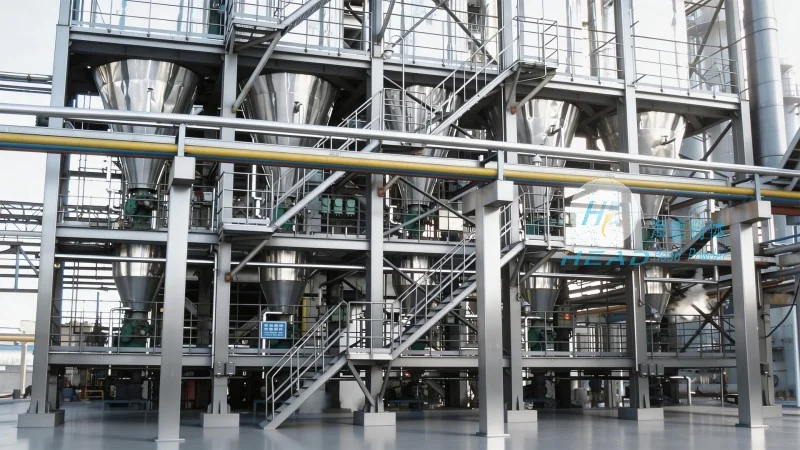
For instance, belt conveyors are commonly used for transporting bulk soybean feed over short to medium distances, providing a reliable and cost-effective solution. Screw conveyors, on the other hand, are ideal for vertical or inclined transport, as they can handle materials with higher moisture content without clogging. Pneumatic conveyors, or airslides, are often employed for fine or dusty soybean feed, as they can transport materials at high speeds while minimizing dust generation.
Design Considerations for Efficient Operation
When designing a soybean feed material conveying line, several factors must be considered to ensure optimal performance. These include the capacity requirements of the feed plant, the distance between processing stages, the height of the conveying system, and the need for material classification or sorting. The system must also be designed to handle variations in feed quality, such as changes in moisture content or particle size, without compromising the conveying efficiency.
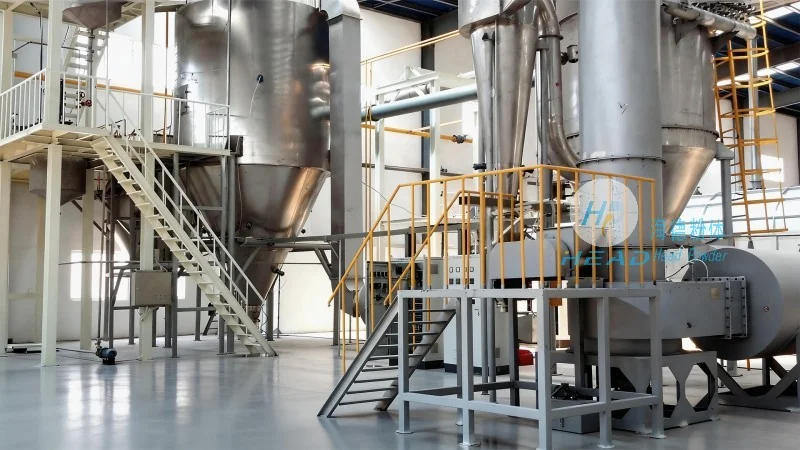
Material flow control is another critical design consideration. Properly sized feed hoppers and flow gates help regulate the feed rate into the conveyor, preventing overloading and ensuring consistent material flow. Additionally, the conveyor system must be equipped with appropriate sealing and dust control measures to maintain a clean and safe working environment, which is essential in feed processing facilities.
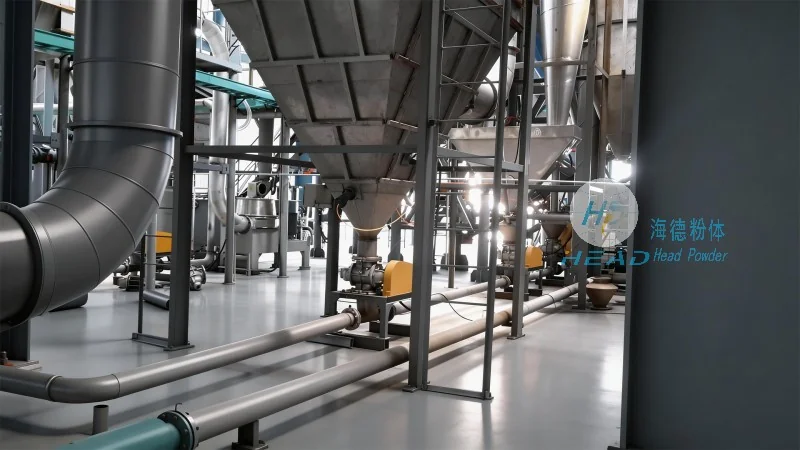
Role of Shandong HeadPowder Engineering Co., Ltd.
Shandong HeadPowder Engineering Co., Ltd., a leading manufacturer based in China, specializes in the design and fabrication of customized conveying systems for the feed industry. With years of experience in the field, the company understands the unique challenges associated with soybean feed processing and offers tailored solutions that meet the specific needs of each client. The company’s engineers work closely with clients to assess their operational requirements and develop conveying lines that enhance productivity and reduce downtime.
Shandong HeadPowder Engineering Co., Ltd. utilizes advanced design software and engineering expertise to ensure that each conveying line is optimized for the specific characteristics of soybean feed. The company’s products are known for their durability, efficiency, and ease of maintenance, making them a preferred choice for feed manufacturers worldwide. By focusing on quality and customer satisfaction, the company has built a strong reputation in the feed processing industry.