

What is a Synthetic Fiber Material Conveyor Line? Design Principles Explained
Understanding synthetic fiber material conveyor lines is crucial for industries dealing with high-volume, lightweight materials. These specialized systems are engineered to efficiently transport synthetic fibers, such as polyester, nylon, or acrylic, through production processes with precision and reliability. As a key component in material handling, these conveyor lines play a vital role in optimizing workflow and ensuring consistent quality in manufacturing operations.
What Are Synthetic Fiber Material Conveyor Lines?
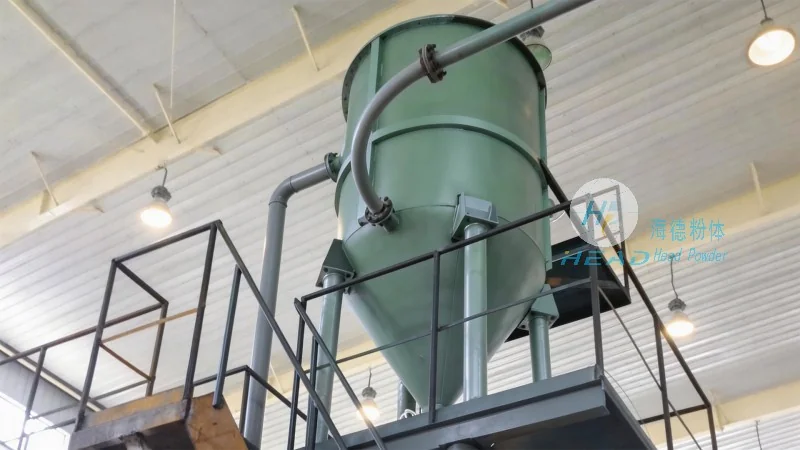
Synthetic fiber material conveyor lines are automated systems designed to move synthetic fibers, including but not limited to polyester, nylon, acrylic, and other man-made fibers, from one processing stage to another. These lines are typically integrated into larger production facilities, such as textile mills, fiber spinning plants, or composite material manufacturing sites. The primary function of these conveyor lines is to transport raw or semi-processed fibers in a controlled manner, minimizing material loss and ensuring uniform handling. They are often equipped with specialized components like feeders, conveyors, and sorting mechanisms to handle the delicate and often abrasive nature of synthetic fibers.
Key Design Principles for Synthetic Fiber Material Conveyor Lines
The design of synthetic fiber material conveyor lines is governed by several critical principles that ensure optimal performance and durability. First, the system must be constructed from materials that are resistant to the chemical and mechanical stresses associated with synthetic fibers. Common materials include stainless steel, aluminum, and specialized polymers that can withstand abrasion and corrosion. Second, the conveyor design prioritizes minimal friction and gentle handling to prevent fiber damage, which is essential for maintaining fiber integrity and quality. This often involves using smooth, non-stick surfaces and adjustable speed controls to regulate the movement of fibers.
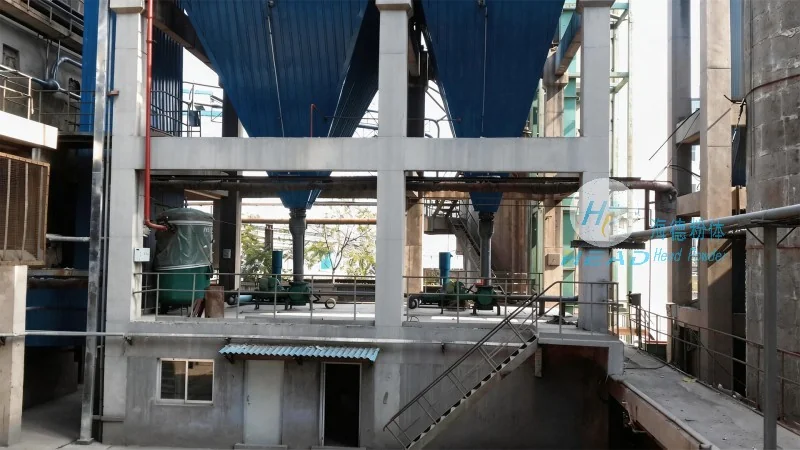
Third, the system incorporates advanced control mechanisms to manage the flow of materials. This includes sensors, variable frequency drives (VFDs), and programmable logic controllers (PLCs) that allow for real-time monitoring and adjustment of conveyor speed, direction, and load capacity. Such controls enhance operational efficiency and reduce downtime by adapting to changing production demands. Fourth, the layout of the conveyor line is optimized for space efficiency and workflow integration. This may involve modular designs that can be expanded or reconfigured as production needs evolve, ensuring flexibility in manufacturing processes.
Components and Functionalities of Synthetic Fiber Material Conveyor Lines
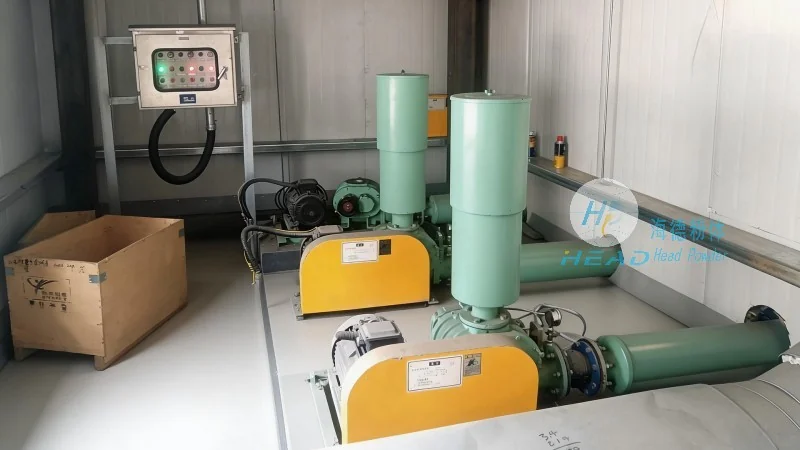
Effective synthetic fiber material conveyor lines rely on a combination of specialized components that work in harmony to achieve their objectives. At the core of the system are the conveyor belts or rollers, which may be made from materials like polyurethane or rubber to provide traction and reduce fiber slip. These components are often equipped with cleaning mechanisms to prevent material buildup and maintain consistent performance. Additionally, the system includes feeding devices, such as hoppers or feeders, that evenly distribute fibers onto the conveyor belt, ensuring uniform loading and preventing overloading of the system.
Sorting and separation mechanisms are also integral to many synthetic fiber conveyor lines, particularly in applications where different fiber types or lengths need to be processed separately. These may include air jets, vibratory screens, or magnetic separators that use air flow or mechanical action to separate fibers based on their properties. The integration of these components allows for precise material handling, enabling manufacturers to achieve higher levels of product quality and consistency.
Applications and Industries Utilizing Synthetic Fiber Material Conveyor Lines
Synthetic fiber material conveyor lines find extensive applications across various industries, including the textile industry, automotive manufacturing, and composite materials production. In the textile sector, these systems are used to transport fibers from spinning machines to weaving or knitting equipment, ensuring a smooth transition between production stages. In automotive manufacturing, they play a role in transporting synthetic fibers used in vehicle interiors, such as seat fabrics or insulation materials, where durability and fire resistance are critical. Similarly, in composite materials production, conveyor lines are employed to move fibers into molding or pressing processes, facilitating the creation of lightweight, high-strength components for aerospace and construction applications.
Advantages of Synthetic Fiber Material Conveyor Lines
Implementing synthetic fiber material conveyor lines offers numerous advantages for businesses. Firstly, they significantly improve operational efficiency by automating the material handling process, reducing the need for manual labor and minimizing human error. This leads to faster production cycles and increased output capacity. Secondly, these systems enhance product quality by ensuring consistent handling of fibers, which reduces damage and maintains fiber integrity. This is particularly important in industries where fiber quality directly impacts the final product's performance, such as in high-performance textiles or composite materials. Thirdly, the automation and control features of these conveyor lines contribute to cost savings by reducing energy consumption and minimizing material waste. By optimizing the flow of materials, businesses can achieve better resource utilization and lower operational costs.
Customization and Scalability in Synthetic Fiber Material Conveyor Lines
One of the key benefits of synthetic fiber material conveyor lines is their adaptability to specific production needs. Manufacturers can customize these systems to meet unique requirements, such as varying fiber types, production volumes, or processing stages. This customization may involve adjusting conveyor speed, modifying the length or width of the system, or integrating additional components like sorting or cleaning mechanisms. Furthermore, the modular design of many conveyor lines allows for easy expansion or reconfiguration as production demands change. This scalability ensures that businesses can invest in a system that grows with their operations, avoiding the need for costly replacements or overhauls in the future.
Maintenance and Longevity of Synthetic Fiber Material Conveyor Lines
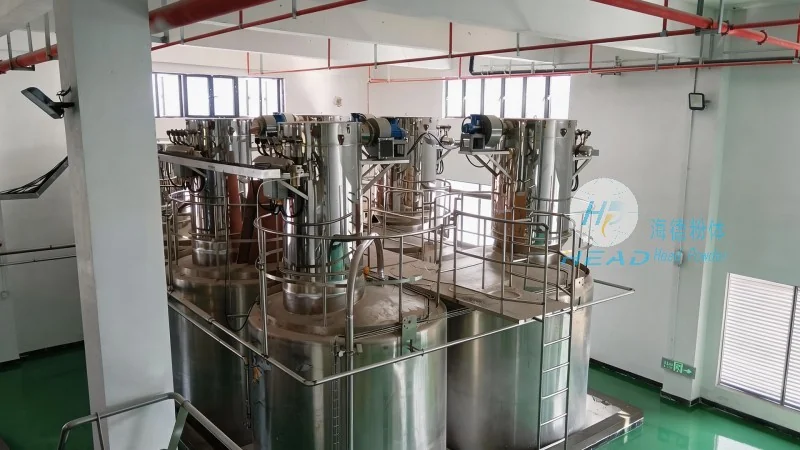
Proper maintenance is essential to ensure the longevity and reliability of synthetic fiber material conveyor lines. Regular inspection and maintenance of components, such as conveyor belts, rollers, and control systems, help prevent breakdowns and extend the lifespan of the equipment. This includes cleaning the system to remove fiber buildup, lubricating moving parts, and checking for wear and tear. Additionally, implementing predictive maintenance strategies, such as using sensors to monitor system performance and detect potential issues before they become critical, can further enhance the system's reliability. By adhering to a comprehensive maintenance plan, businesses can minimize downtime and maximize the return on their investment in synthetic fiber material conveyor lines.
Conclusion: The Role of Synthetic Fiber Material Conveyor Lines in Modern Manufacturing
In conclusion, synthetic fiber material conveyor lines are indispensable tools in modern manufacturing, particularly for industries dealing with synthetic fibers. Their design principles, components, and functionalities are tailored to meet the unique challenges of handling these materials, ensuring efficient, reliable, and high-quality production. As businesses continue to seek ways to optimize their operations and enhance product quality, the importance of these conveyor lines will only grow. By investing in well-designed and maintained synthetic fiber material conveyor lines, companies can achieve competitive advantages, improve operational efficiency, and meet the evolving demands of their markets.