

What is a Gravity Dust Removal Material Conveying Line? And What Are Its Design Principles?
Gravity dust removal material conveying lines are specialized systems engineered to handle the transport of bulk materials while simultaneously removing dust and particulate matter from the process stream. These systems are crucial in industries such as mining, cement production, and chemical processing, where maintaining air quality and ensuring efficient material handling are paramount. The core function of such lines is to transport materials from one location to another while capturing and filtering out airborne dust, thereby reducing environmental impact and improving workplace safety.
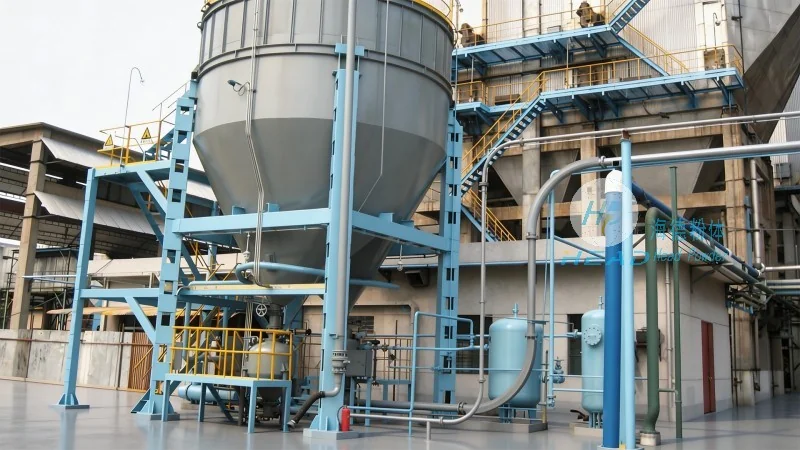
The Core Design Principles of Gravity Dust Removal Systems
The primary design principle revolves around the use of gravity to facilitate material movement. Unlike mechanical conveying systems that rely on motors or pumps, gravity dust removal lines utilize the natural force of gravity to move materials downward through a series of inclined chutes or ducts. This approach minimizes energy consumption and operational costs, making it an attractive option for applications where the material can be conveyed in a vertical or near-vertical path. A key component in the design is the dust collection mechanism. Typically, these systems incorporate cyclone separators or bag filters at strategic points along the conveying line. The material, as it moves through the system, passes through these collectors, which trap dust particles and return them to the main material stream or to a collection bin. This ensures that the conveyed material remains clean and free from contaminants, while the captured dust is safely contained and can be disposed of or recycled as needed.
Structural and Material Considerations in Design
The structural design of gravity dust removal lines is also critical to their effectiveness. The system typically consists of a series of connected ducts or chutes, each designed to maintain a consistent angle of inclination to ensure proper material flow. The materials used for the construction of these lines—such as stainless steel, carbon steel, or high-density polyethylene—are chosen based on the properties of the material being conveyed, including its abrasiveness, moisture content, and potential for causing corrosion. Proper sealing and jointing techniques are employed to prevent dust leakage and maintain the integrity of the system. Another important design consideration is the control of air flow and pressure. In some configurations, the system may incorporate a slight negative pressure or use air curtains to prevent dust from escaping at the discharge point. This helps to maintain a clean environment around the receiving equipment and prevents the re-entry of dust into the workspace. The design also takes into account the need for easy maintenance and cleaning, with access points and removable components that allow for regular inspection and upkeep.
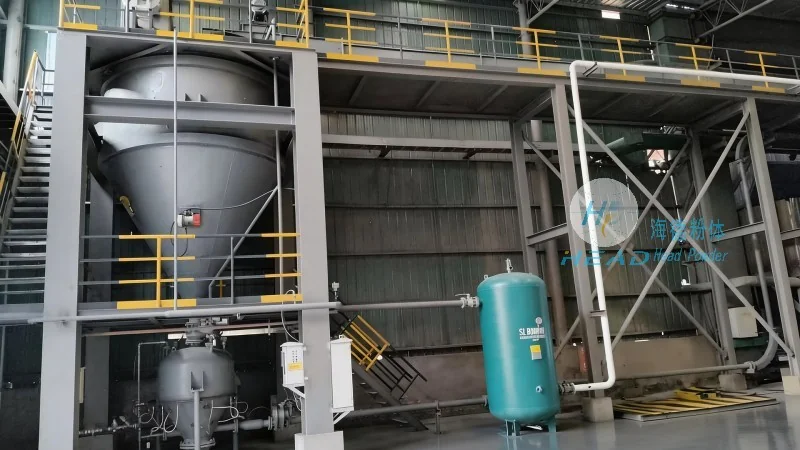
Applications Across Various Industries
The application of gravity dust removal material conveying lines extends to various industries. In the cement industry, for example, these systems are used to transport raw materials and finished products while removing dust from the process. In mining operations, they help to move ore and waste materials while controlling dust exposure for workers. The flexibility of these systems allows them to be adapted to different material types and process requirements, making them a versatile solution for material handling needs. For instance, companies like Shandong HeadPowder Engineering Co., Ltd., based in Shandong, China, specialize in designing and manufacturing these systems. Their expertise in material handling and dust control ensures that clients receive tailored solutions that meet their specific operational needs.
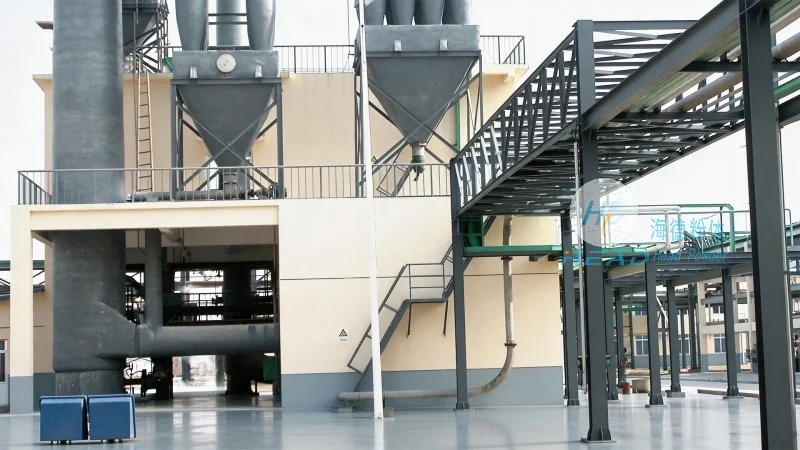
Evaluating and Selecting the Right System
When evaluating a gravity dust removal material conveying line, several factors should be considered. The first is the material's characteristics, including its density, flowability, and dust generation potential. The second is the distance and elevation change required for the material transport. The third is the environmental regulations and safety standards that must be met. By carefully considering these factors, manufacturers can design a system that is both efficient and compliant with industry requirements.
Conclusion: The Role of Gravity Dust Removal Lines in Modern Material Handling
In conclusion, gravity dust removal material conveying lines represent an effective and sustainable solution for material handling in industries where dust control is essential. The design principles, which emphasize the use of gravity, efficient dust collection, and robust construction, ensure that these systems can operate reliably over long periods while minimizing environmental impact. As demand for cleaner and more efficient industrial processes grows, these systems will continue to play a vital role in meeting the needs of various sectors.