

What is an Alumina Crystal Material Conveying Line? What Are Its Design Principles?
Alumina crystal material conveying lines are specialized industrial systems engineered to handle the transportation of alumina crystals, a critical component in various high-tech industries such as ceramics, refractories, and chemical processing. These lines are designed to ensure efficient, safe, and reliable movement of alumina crystals from one processing stage to another, playing a pivotal role in optimizing production workflows and maintaining product quality. As a leading manufacturer in the field, Shandong HeadPowder Engineering Co., Ltd., based in Shandong, China, specializes in developing and supplying advanced conveying solutions tailored to the unique demands of alumina crystal handling.
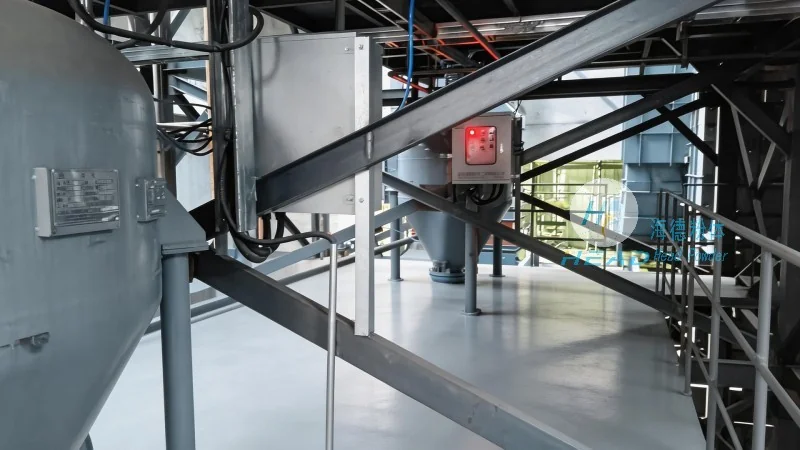
Understanding the Core Function of Alumina Crystal Conveying Systems
At the heart of any alumina crystal material conveying line is the ability to transport these crystalline materials with precision and care. Alumina crystals, known for their high purity and specific physical properties, require specialized equipment to prevent damage, contamination, or degradation during transit. The conveying line typically integrates multiple components, including feeders, conveyors, and control systems, all working in harmony to move the material through the production process. The primary goal is to maintain the integrity of the alumina crystals, which is essential for downstream applications where quality and consistency are paramount. For instance, in the production of high-grade ceramics or refractory materials, any breakage or contamination of the alumina crystals can significantly impact the final product's performance and durability.
Key Design Principles for Optimal Performance
The design of an alumina crystal material conveying line is governed by several fundamental principles aimed at maximizing efficiency, safety, and operational reliability. One of the most critical principles is the minimization of mechanical stress on the crystals. This is achieved through the use of gentle handling mechanisms, such as belt conveyors or screw conveyors with low friction surfaces, which reduce the risk of breakage or abrasion. Additionally, the conveying system is designed to maintain a controlled environment, often incorporating temperature and humidity controls to prevent moisture absorption or chemical reactions that could alter the crystal's properties. Another key principle is the integration of advanced control systems that allow for real-time monitoring and adjustment of the conveying process. These systems can detect variations in material flow, adjust conveyor speeds, and alert operators to potential issues, ensuring continuous and stable operation. The design also emphasizes energy efficiency, with features like variable speed drives and optimized conveyor layouts that reduce power consumption without compromising performance.
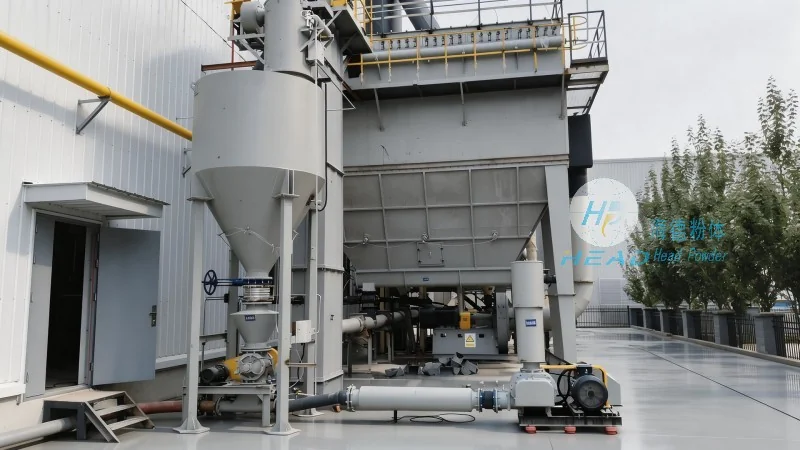
Components and Their Roles in the Conveying Line
The alumina crystal material conveying line consists of several interconnected components, each playing a specific role in the overall system. The feed section is responsible for receiving the alumina crystals from the upstream processing equipment, such as crystallizers or driers. This section typically includes a hopper or bin that stores the material and a feeder, such as a rotary valve or a vibratory feeder, which regulates the flow of crystals into the conveyor. The conveyor itself is the central part of the system, responsible for transporting the material from the feed section to the discharge point. Depending on the application, the conveyor may be a belt conveyor, a screw conveyor, or a pneumatic conveyor. Belt conveyors are commonly used for bulk material handling due to their high capacity and ability to transport materials over long distances. Screw conveyors, on the other hand, are ideal for handling fine or powdery materials and can be used for vertical or inclined transport. Pneumatic conveyors use air pressure to move the material through a pipeline, offering a dust-free and enclosed transport solution. The discharge section is where the alumina crystals are released from the conveyor, typically into a storage bin or directly into the next processing stage. This section may include a discharge valve or a gate to control the flow of material out of the system. Finally, the control system manages all aspects of the conveying process, including speed adjustments, material flow monitoring, and safety interlocks. It may include sensors for level detection, pressure monitoring, and temperature control, ensuring that the system operates within safe and optimal parameters.
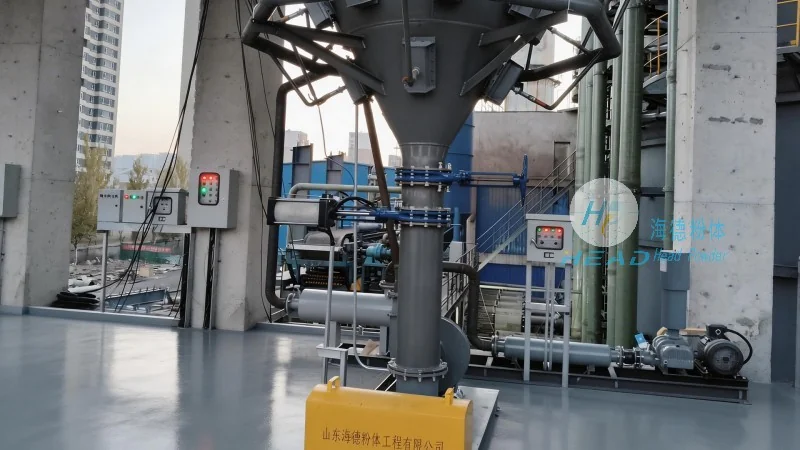
Applications and Industries Served by Alumina Crystal Conveying Lines
Alumina crystal material conveying lines are widely used in various industries that rely on high-purity alumina crystals. In the ceramics industry, these lines are essential for transporting alumina powders and crystals to the mixing and shaping stages of ceramic production. The high purity of the alumina crystals ensures that the final ceramic products have excellent mechanical strength, thermal stability, and dielectric properties. In the refractory industry, alumina crystals are used to produce refractory bricks and linings for high-temperature furnaces and kilns. The conveying line ensures that the raw materials are delivered to the mixing and molding processes without any contamination or degradation. Additionally, in the chemical processing industry, alumina crystals are used as a catalyst or a filler in various chemical reactions. The conveying line provides a reliable and efficient way to transport the crystals to the reaction vessels, ensuring consistent and high-quality chemical processes. Other applications include the production of abrasives, where alumina crystals are used to make grinding wheels and sandpaper, and in the electronics industry, where they are used as a substrate material for semiconductor devices. In all these applications, the alumina crystal material conveying line plays a crucial role in maintaining the quality and consistency of the final products.
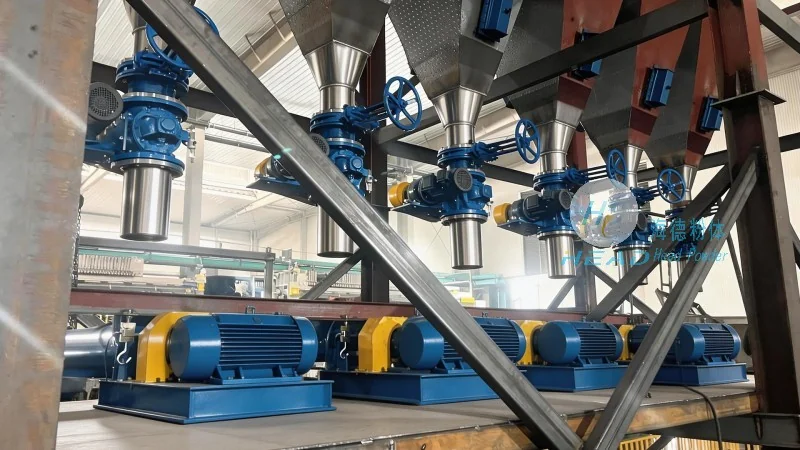
Advantages of Using a Custom-Designed Conveying Line from Shandong HeadPowder Engineering Co., Ltd.
Shandong HeadPowder Engineering Co., Ltd., with its headquarters in Shandong, China, offers custom-designed alumina crystal material conveying lines that are tailored to the specific needs of each client. The company's expertise in material handling and process engineering allows them to design systems that maximize efficiency, minimize downtime, and ensure the highest quality of the alumina crystals. One of the key advantages of using a custom-designed conveying line is the ability to optimize the system for the specific characteristics of the alumina crystals, such as their size, shape, and moisture content. This results in a more reliable and efficient operation, as the system is designed to handle the unique challenges associated with each application. Another advantage is the integration of advanced technology, such as automated control systems and real-time monitoring, which enhances the overall performance and safety of the conveying line. The company also provides comprehensive support, including installation, commissioning, and maintenance services, ensuring that the system operates at its best throughout its lifecycle. By choosing a custom-designed conveying line from Shandong HeadPowder Engineering Co., Ltd., clients can benefit from a solution that is not only efficient and reliable but also tailored to their specific requirements, providing a competitive edge in their respective industries.
Conclusion: The Importance of Advanced Conveying Solutions for Alumina Crystal Handling
In conclusion, alumina crystal material conveying lines are essential components in the production processes of various high-tech industries. These systems are designed to handle the unique challenges associated with alumina crystals, ensuring efficient, safe, and reliable transportation of the material. The design principles, components, and applications of these conveying lines are all tailored to meet the specific needs of each industry, providing a solution that maximizes productivity and product quality. As a leading manufacturer in the field, Shandong HeadPowder Engineering Co., Ltd. offers advanced, custom-designed conveying solutions that are optimized for the handling of alumina crystals. By leveraging their expertise and advanced technology, clients can achieve improved operational efficiency, reduced downtime, and enhanced product quality, ultimately gaining a competitive advantage in their respective markets. The importance of these advanced conveying solutions cannot be overstated, as they play a critical role in the success of modern industrial production.