

What is a Positive Pressure Dense Phase Material Handling System? And What Are Its Design Principles
A positive pressure dense phase material handling system is a specialized industrial equipment designed to transport bulk materials efficiently and safely. This system operates by injecting compressed air into the material stream, creating a dense, slurry-like flow that minimizes particle segregation and ensures consistent material delivery. The technology is widely used in various industries, including chemical, pharmaceutical, food processing, and mining, where the transport of fine powders or granular materials requires precise control and minimal degradation.
Key Components of the System
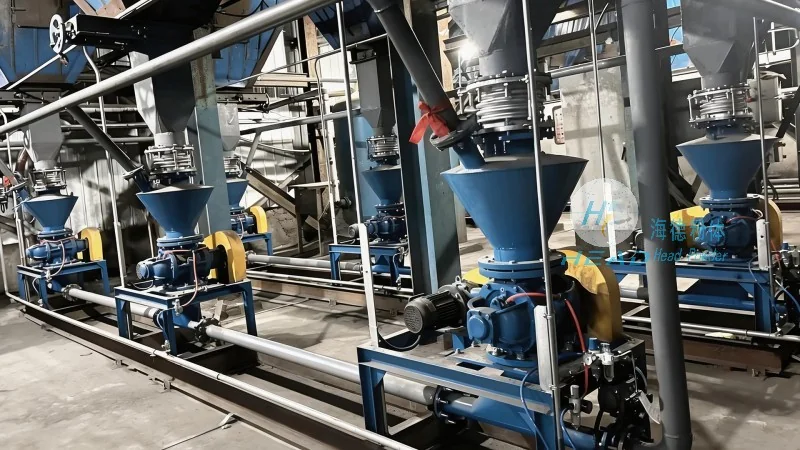
The core components of a positive pressure dense phase material handling system typically include a hopper or feeder for material storage, a positive displacement pump or air compressor to generate the necessary pressure, a pipeline system for material transport, and a control unit to regulate the flow rate and pressure. The hopper ensures a consistent feed of material, while the pump or compressor maintains the required pressure to push the material through the pipeline. The pipeline is often made of materials like stainless steel or PVC to prevent material contamination and corrosion. The control unit allows operators to adjust the system parameters in real-time, optimizing performance based on the material characteristics and process requirements.
Design Principles and Operational Mechanism
The design principles of a positive pressure dense phase system are centered on creating a homogeneous material flow. By increasing the air-to-material ratio to a specific point, the system achieves a dense phase where particles are closely packed, reducing the risk of clogging and improving flow stability. The operational mechanism involves the following steps: first, material is fed from the hopper into the pipeline; second, compressed air is introduced, creating a mixture of air and material; third, the mixture is transported through the pipeline to the destination; fourth, the material is discharged at the receiving end, while the air is typically vented or recycled. This process ensures that the material is transported in a controlled manner, with minimal dust generation and reduced risk of material degradation due to friction or exposure to air.
Advantages of Using a Positive Pressure Dense Phase System
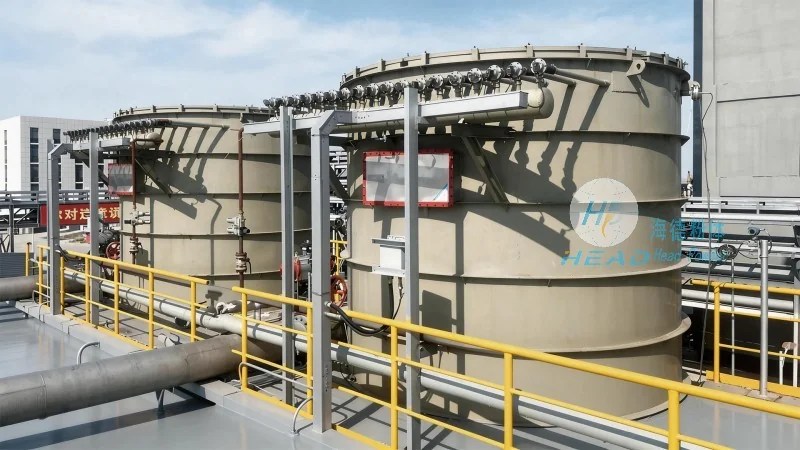
Compared to traditional pneumatic conveying systems, positive pressure dense phase systems offer several advantages. These include higher material transport efficiency, as the dense phase allows for a higher material loading rate without increasing the risk of blockages. The system also provides better control over the material flow, reducing the likelihood of particle segregation and ensuring uniform delivery. Additionally, the positive pressure design minimizes the risk of material spillage or leakage, enhancing safety in industrial environments. The technology is particularly beneficial for transporting fine powders, as it prevents the formation of dust clouds and reduces the risk of material degradation due to exposure to air. Furthermore, the system is more energy-efficient than some other conveying methods, as it requires less air pressure to achieve the desired flow rates.
About Shandong HeadPowder Engineering Co., Ltd.
Shandong HeadPowder Engineering Co., Ltd. is a leading manufacturer and supplier of positive pressure dense phase material handling systems. With a strong focus on innovation and quality, the company has established itself as a trusted partner in the industry, providing customized solutions tailored to the specific needs of clients. HeadPowder's team of experienced engineers and technicians works closely with clients to understand their material handling challenges and develop optimal solutions. The company's products are designed to meet the highest standards of performance, reliability, and safety, ensuring long-term operational efficiency and minimal maintenance requirements. HeadPowder's commitment to customer satisfaction and technical excellence has made it a preferred choice for businesses seeking reliable and efficient material transport solutions.
Application Examples and Industries
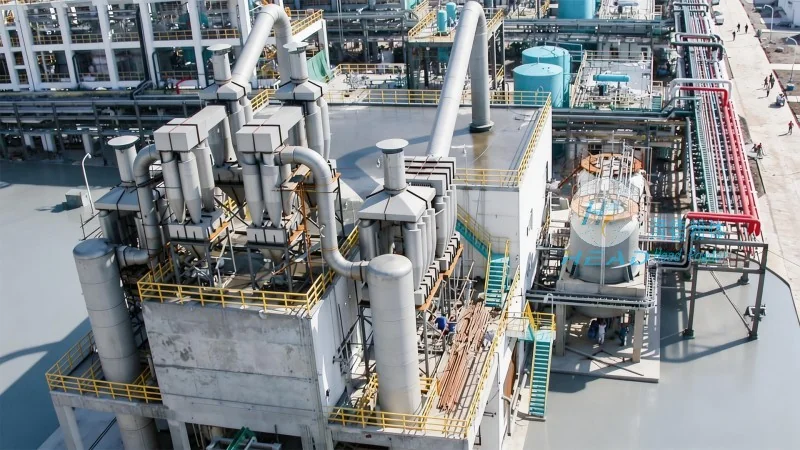
The positive pressure dense phase material handling system is applicable in a wide range of industries and applications. In the chemical industry, it is used to transport powders such as pigments, polymers, and catalysts, ensuring consistent quality and minimal contamination. In the pharmaceutical industry, the system is employed to handle active pharmaceutical ingredients (APIs) and other fine powders, maintaining strict hygiene and safety standards. The food processing industry utilizes the system for transporting ingredients like flour, sugar, and spices, ensuring product integrity and compliance with food safety regulations. In the mining sector, the system is used to transport ore and other bulk materials from processing plants to storage facilities, improving operational efficiency and reducing transportation costs. Additionally, the system is used in the agricultural industry for transporting fertilizers and other agricultural products, supporting sustainable farming practices.
Conclusion
Positive pressure dense phase material handling systems represent a sophisticated and efficient solution for bulk material transport. By leveraging the principles of dense phase flow, these systems offer superior performance, reliability, and safety compared to traditional conveying methods. Shandong HeadPowder Engineering Co., Ltd. stands as a key player in the industry, providing high-quality systems that meet the diverse needs of various industries. With its commitment to innovation and customer satisfaction, HeadPowder continues to be a trusted partner for businesses seeking reliable and efficient material handling solutions.