

Bone Meal Material Handling System Equipment: Understanding Its Design Principles
For those in the agricultural or industrial sectors dealing with bone meal, having an efficient and reliable material handling system is crucial. A bone meal material handling system equipment is specifically designed to manage the transport, storage, and processing of bone meal, a nutrient-rich byproduct often used as an organic fertilizer or feed supplement. This equipment ensures that bone meal is handled safely and effectively, minimizing dust, contamination, and operational risks. The design principles behind such systems are rooted in efficiency, safety, and adaptability to the unique properties of bone meal.
Key Components of a Bone Meal Material Handling System
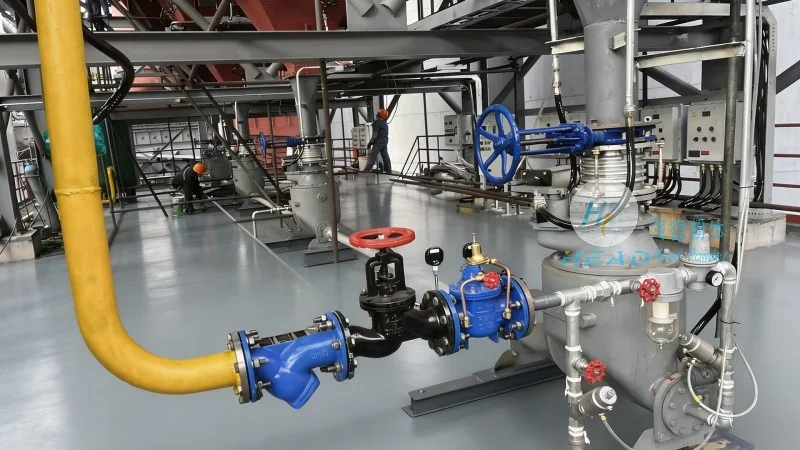
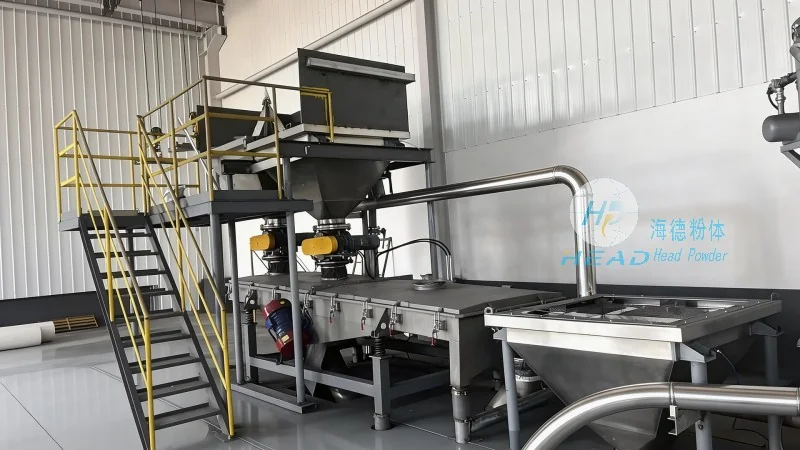
A typical bone meal material handling system consists of several integrated components that work together to ensure smooth operation. These components include feeders, conveyors, storage silos, and processing units. Feeders are responsible for controlling the flow of bone meal from storage to the processing line, ensuring a consistent and controlled feed rate. Conveyors, such as belt or screw conveyors, transport the material through the system with minimal loss and contamination. Storage silos are used to store bulk quantities of bone meal, providing a stable and secure environment that prevents moisture absorption and spoilage. Processing units may include grinding or mixing equipment to further refine the bone meal for specific applications.
Design Principles for Optimal Performance
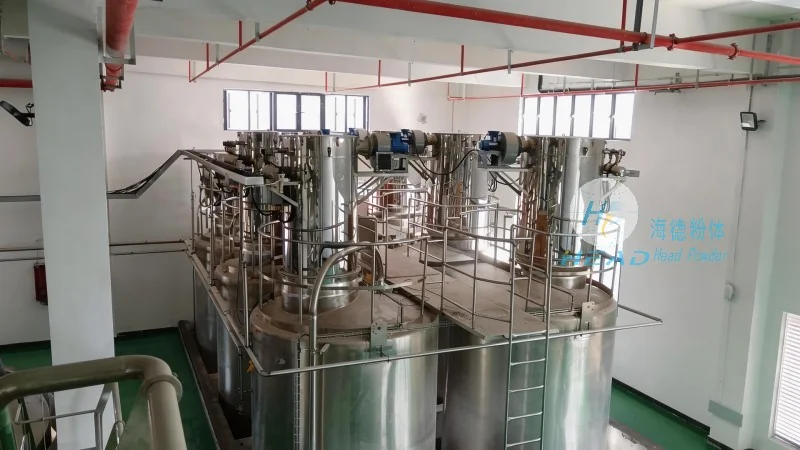
The design of a bone meal material handling system equipment follows several key principles to maximize efficiency and safety. One of the primary principles is dust control. Bone meal is a fine, powdery material that can generate significant dust during handling, which poses health risks and can affect the quality of the product. Therefore, systems are equipped with dust collection and filtration systems to capture and remove airborne particles. Another critical principle is material compatibility. The equipment is constructed from materials that are resistant to corrosion and wear, as bone meal can be abrasive and may contain acidic components. Stainless steel and specialized coatings are commonly used to ensure longevity and maintain product purity. Additionally, the system is designed for easy maintenance and cleaning to prevent cross-contamination and ensure compliance with industry standards.
Operational Efficiency and Safety Considerations
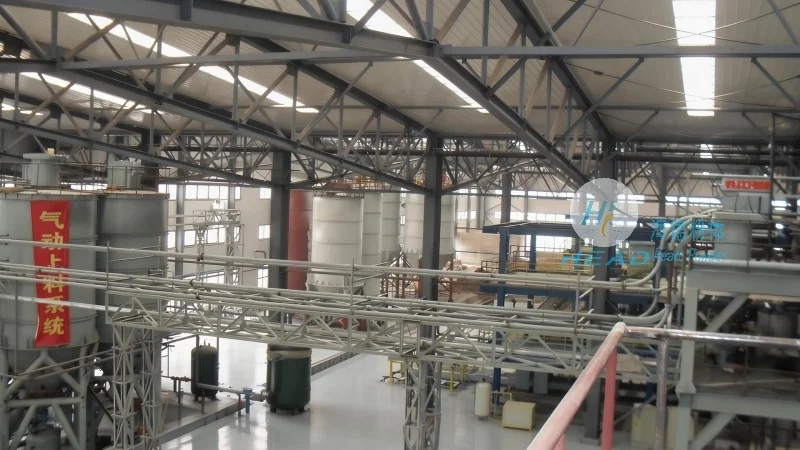
Operational efficiency is a key factor in the design of bone meal material handling systems. The system is engineered to minimize downtime and maximize throughput, with features like automated controls and real-time monitoring. This allows operators to adjust the system parameters based on production needs, ensuring optimal performance. Safety is another paramount consideration. The system incorporates safety features such as emergency stop buttons, interlocks, and protective guards to prevent accidents and injuries. Furthermore, the design ensures that the material is handled in a way that reduces the risk of exposure to workers, including sealed conveyor systems and enclosed storage areas.
Customization and Scalability
Shandong HeadPowder Engineering Co., Ltd., a leading manufacturer in the field, understands that each client's needs are unique. Therefore, their bone meal material handling systems are designed with customization and scalability in mind. The company, often referred to as HeadPowder, offers tailored solutions that can be adjusted to handle varying capacities and material types. Whether a small-scale operation or a large industrial facility, the systems can be scaled to meet specific production requirements. This flexibility ensures that clients receive a system that is both effective and cost-efficient, aligning with their long-term operational goals.
Conclusion
In summary, a bone meal material handling system equipment is a sophisticated and essential component for industries dealing with bone meal. The design principles, which prioritize efficiency, safety, and material compatibility, ensure that the system operates reliably and effectively. With the expertise of companies like Shandong HeadPowder Engineering Co., Ltd., these systems are engineered to meet the specific needs of clients, providing a solution that enhances productivity while maintaining high standards of safety and quality. For businesses looking to optimize their bone meal handling processes, investing in a well-designed material handling system is a critical step toward achieving operational excellence.