

Common Bean Conveying Methods: An Introduction to Pneumatic Conveying Systems for Beans
Bean conveying is a critical process in agricultural and food processing industries, ensuring efficient movement of beans from storage to processing lines. For businesses dealing with beans, selecting the right conveying method is essential to maintain product quality, reduce labor costs, and enhance operational efficiency. This article explores common bean conveying methods, with a focus on the advantages and applications of pneumatic conveying systems.
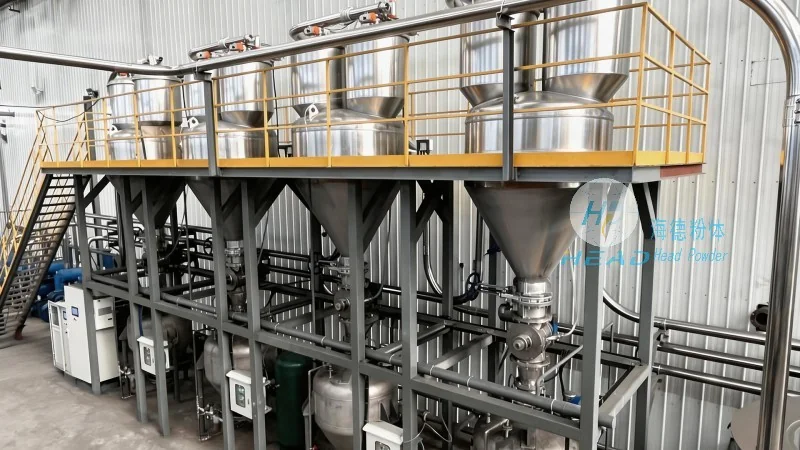
Overview of Common Bean Conveying Methods
Traditional bean conveying methods often rely on mechanical systems such as belt conveyors, screw conveyors, and bucket elevators. These systems are widely used due to their simplicity and reliability. Belt conveyors, for instance, are suitable for transporting beans over short to medium distances, while screw conveyors are effective for vertical or inclined movement. Bucket elevators, on the other hand, are ideal for handling bulk materials like beans in vertical lifts. However, these mechanical systems have limitations, including high maintenance costs, potential product damage from friction, and the need for regular cleaning to prevent contamination.
Pneumatic Conveying Systems for Beans: Advantages and Applications
Pneumatic conveying, also known as air conveying, offers a more efficient and flexible solution for bean transportation. Unlike mechanical systems, pneumatic conveyors use air pressure to move beans through a pipeline system. This method is particularly beneficial for delicate beans, as it minimizes physical contact and reduces the risk of bruising or breakage. Pneumatic systems can handle various bean types, including soybeans, kidney beans, and black beans, and are adaptable to different processing environments. The primary advantages of pneumatic conveying include high capacity, low maintenance, and the ability to transport beans over long distances without the need for multiple transfer points.
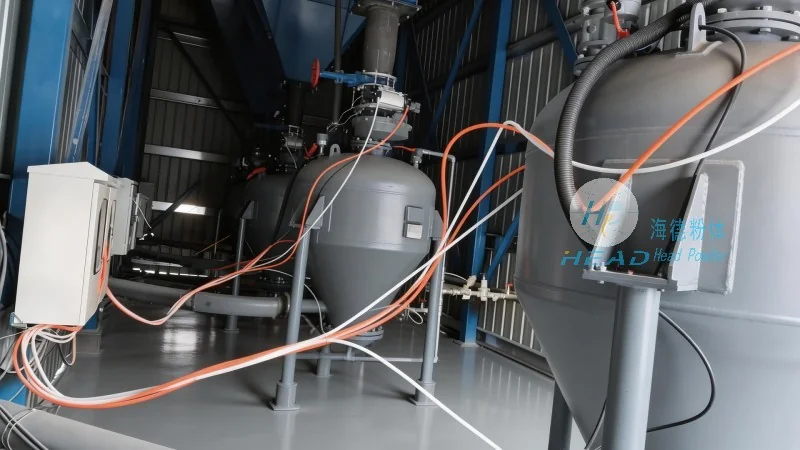
Components of a Pneumatic Bean Conveying System
A typical pneumatic bean conveying system consists of several key components. The main elements include a hopper for material storage, a rotary valve or feeder to control the flow of beans into the system, a conveying line (usually made of stainless steel or plastic to prevent corrosion and contamination), a vacuum or pressure pump to generate the air flow, and a receiver or discharge point where the beans are collected. The system may also include filters and cyclones to separate any fine particles or dust from the air stream, ensuring clean and safe operation. Each component plays a crucial role in maintaining the efficiency and effectiveness of the conveying process.
Factors to Consider When Choosing a Bean Conveying System
When selecting a bean conveying system, several factors should be considered to ensure optimal performance. The first is the type and quantity of beans being handled. Different bean varieties may have varying sizes and densities, which affect the choice of conveying method. For example, larger beans like kidney beans may require a system with larger diameter pipes to prevent blockages. The second factor is the distance and layout of the processing facility. Pneumatic systems are ideal for long-distance transport, while mechanical systems may be more suitable for shorter distances or specific vertical movements. Cost is another critical consideration. While initial investment in pneumatic systems may be higher, the long-term operational savings and reduced maintenance make them a cost-effective choice for many businesses. Additionally, the need for product cleanliness and safety should be evaluated. Pneumatic systems, especially those with stainless steel components, are better suited for food processing applications where hygiene is paramount.
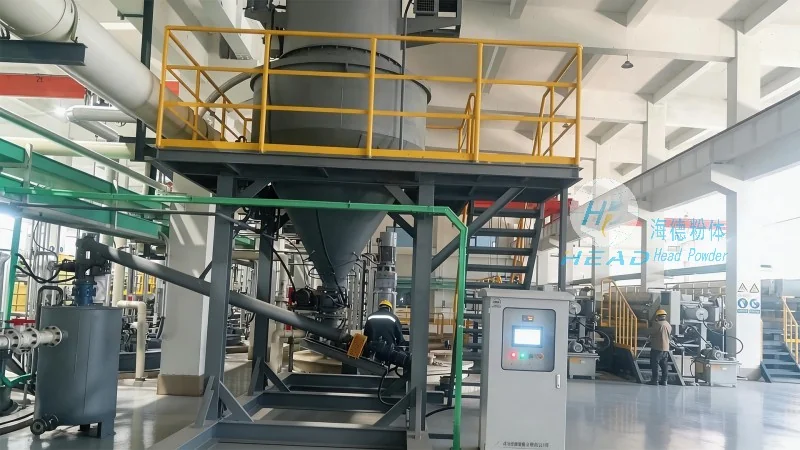
Case Study: HeadPowder's Pneumatic Bean Conveying Solutions
Shandong HeadPowder Engineering Co., Ltd., a leading manufacturer of industrial conveying equipment, specializes in providing customized pneumatic bean conveying systems tailored to the specific needs of food processing plants. With years of experience in the industry, HeadPowder has developed advanced solutions that enhance efficiency and product quality. For instance, one of their clients, a large soybean processing facility, implemented a pneumatic conveying system to transport beans from storage silos to the processing line. The system significantly reduced labor costs by automating the material handling process and minimized product damage, leading to higher yields and improved product quality. Another client, a kidney bean processing plant, chose HeadPowder's system to transport beans over a distance of 200 meters, overcoming the limitations of traditional mechanical conveyors. The system's flexibility and adaptability allowed the client to expand their processing capacity without major infrastructure changes.
Conclusion: Choosing the Right Bean Conveying Method
Choosing the right bean conveying method is a critical decision for any bean processing business. While traditional mechanical systems have their place, pneumatic conveying systems offer superior efficiency, flexibility, and product protection. By considering factors such as bean type, distance, cost, and hygiene requirements, businesses can select the most suitable conveying system. Shandong HeadPowder Engineering Co., Ltd. provides comprehensive solutions and expertise to help businesses make informed decisions and optimize their bean conveying processes. Whether you are processing soybeans, kidney beans, or other varieties, a well-designed pneumatic conveying system can enhance your operational efficiency and product quality, ensuring long-term success in the competitive food processing industry.