

What is Fly Ash Material Pneumatic Conveying? What Are the Design Principles?
For industrial facilities dealing with fly ash, the efficient and reliable transportation of this material is a critical operational requirement. Fly ash, a byproduct of coal combustion, presents unique challenges due to its fine particle size, abrasive nature, and potential for dust generation. Traditional handling methods, such as belt conveyors or bucket elevators, may struggle with these characteristics, leading to operational inefficiencies and equipment wear. This is where pneumatic conveying systems offer a robust solution. The question then arises: what exactly is fly ash material pneumatic conveying, and what are the fundamental design principles that underpin its successful implementation?
Understanding Fly Ash Material and Its Handling Challenges
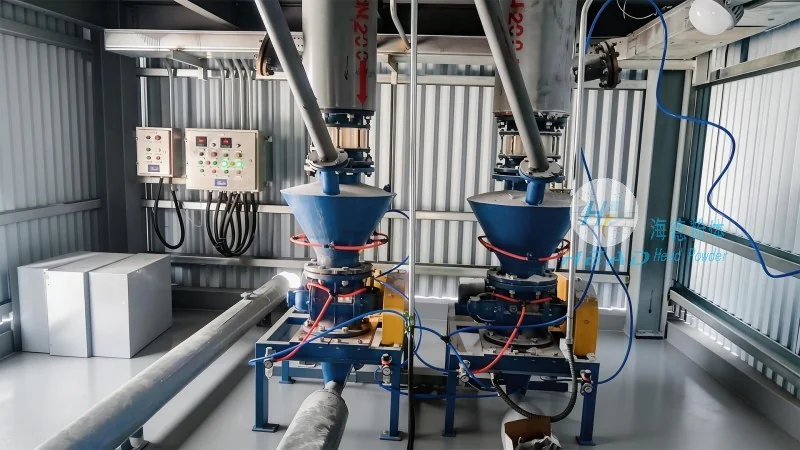
Fly ash is a fine, powdery substance composed primarily of silicon dioxide, aluminum oxide, and other minerals. Its particle size typically ranges from 1 to 100 microns, making it highly susceptible to agglomeration and dust formation. The abrasive nature of fly ash can cause significant wear on equipment components, such as pumps, valves, and pipelines, if not handled properly. Additionally, the material's density and flow characteristics vary depending on moisture content and particle size distribution, which further complicates material handling. These challenges necessitate specialized equipment and design approaches to ensure safe, efficient, and cost-effective transportation.
Core Design Principles of Pneumatic Conveying Systems for Fly Ash
The design of a pneumatic conveying system for fly ash is governed by several key principles that address the material's unique properties. The first principle is the selection of the appropriate conveying type—either dense-phase or dilute-phase. Dense-phase systems, which use higher air pressure and lower air-to-material ratios, are often preferred for fly ash due to their ability to minimize particle degradation and reduce dust emissions. These systems typically operate at air velocities between 10 to 20 meters per second, ensuring that particles remain suspended and move smoothly through the pipeline. The second principle involves the proper sizing of the conveying line and components. The diameter of the pipeline must be sufficient to prevent excessive pressure drop and particle settling, while the length and layout must account for changes in elevation and horizontal distance. Additionally, the system must incorporate appropriate filtration and dust collection measures to comply with environmental regulations and maintain air quality.
Key Components and Their Roles in the System
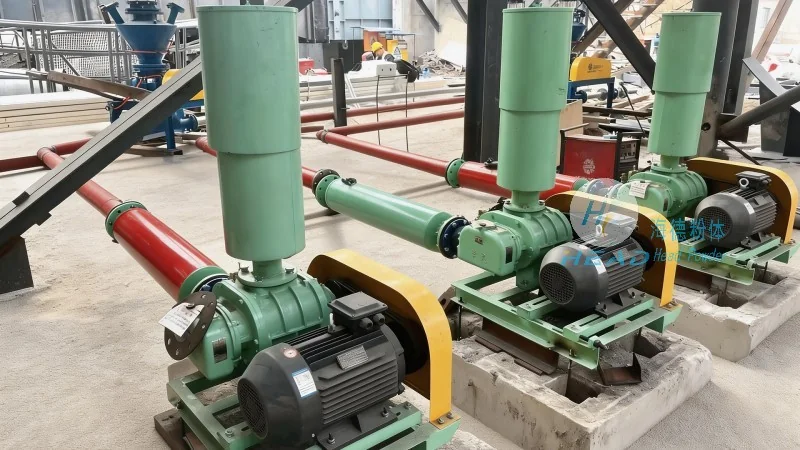
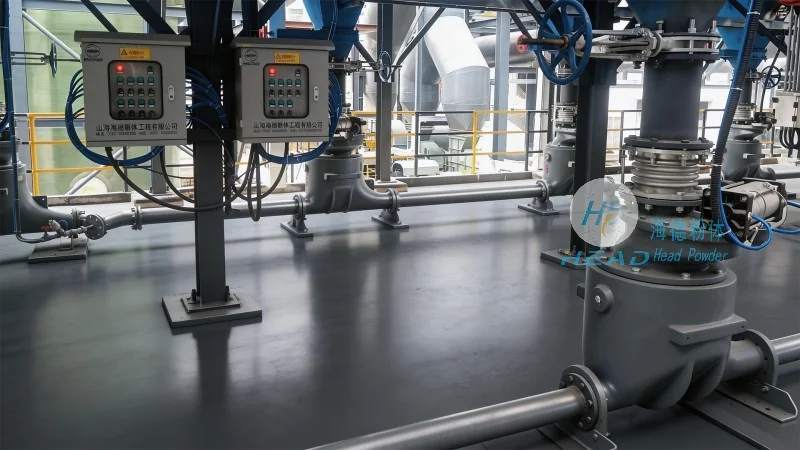
A pneumatic conveying system for fly ash consists of several critical components, each playing a vital role in the overall operation. The primary components include the material feed hopper, which stores and feeds the fly ash into the system; the air compressor or blower, which generates the necessary air pressure to transport the material; the conveying pipeline, which transports the fly ash and air mixture; and the discharge equipment, such as a receiver or silo, which collects the material at the destination. The material feed hopper is typically equipped with a rotary valve or feeder to control the flow rate and prevent material buildup. The air compressor must be capable of delivering sufficient pressure and volume to maintain the desired air velocity in the pipeline. The conveying pipeline is usually made of corrosion-resistant materials, such as stainless steel or polyethylene, to withstand the abrasive nature of fly ash. The discharge equipment may include a filter or cyclone to separate the fly ash from the air stream, ensuring that the material is collected without generating excessive dust.
HeadPowder's Expertise in Fly Ash Pneumatic Conveying Solutions
Shandong HeadPowder Engineering Co., Ltd. (headpowder) is a leading provider of customized pneumatic conveying solutions for fly ash and other industrial materials. With years of experience in the field, headpowder specializes in designing and manufacturing systems that meet the specific needs of industrial facilities. The company's team of engineers and technicians works closely with clients to understand their operational requirements, material characteristics, and environmental constraints, ensuring that the final system is both efficient and compliant. HeadPowder's solutions are tailored to address the unique challenges of fly ash handling, including high wear resistance, low dust emission, and reliable operation over long distances. The company's expertise extends to the selection of appropriate materials for components, such as high-chrome steel or wear-resistant liners, which enhance the system's durability and lifespan. Additionally, headpowder offers comprehensive support services, including system installation, commissioning, and maintenance, to ensure that clients can maximize the performance and longevity of their pneumatic conveying systems.
Application Scenarios and Practical Implementation
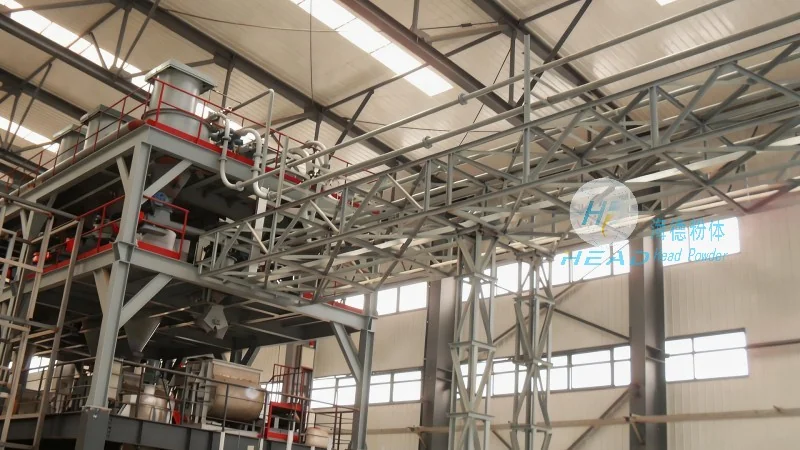
Pneumatic conveying systems for fly ash are widely used in various industrial applications, including power plants, cement factories, and waste management facilities. In power plants, for example, fly ash is often transported from the boiler to a storage silo or to a landfill site. The system must be capable of handling large volumes of material over long distances, while maintaining low pressure drop and minimal dust generation. In cement factories, fly ash is used as a supplementary cementitious material, and the conveying system must ensure that the material is delivered to the mixing plant without degradation. The practical implementation of these systems involves careful planning and execution, including site surveys, material testing, and system design. HeadPowder's team of experts provides guidance throughout the entire process, from initial consultation to final installation, ensuring that the system meets all operational and regulatory requirements. By leveraging their expertise in material handling and pneumatic conveying, headpowder helps industrial facilities optimize their fly ash transportation processes, reduce operational costs, and improve overall efficiency.