

What is Powdered Carbon Material Pneumatic Conveying? What Are the Design Principles?
Understanding the principles and design of pneumatic conveying systems for powdered carbon materials is crucial for industries that rely on efficient material handling. This article explores the fundamental concepts behind such systems, focusing on the technology and engineering principles that enable the transport of carbon-based powders through air or other gases.
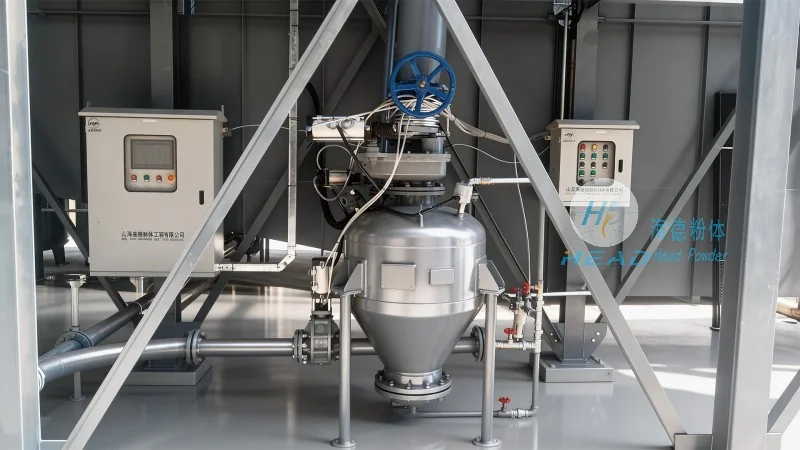
Pneumatic Conveying Basics: An Overview
Pneumatic conveying is a method used to transport bulk materials, including powdered carbon products, from one location to another using a pressurized or vacuum system. Unlike traditional mechanical conveyors, which rely on belts or screws, pneumatic systems utilize air or gas to move the material through pipes. This approach offers advantages such as flexibility in layout, reduced equipment wear, and the ability to handle materials that are dusty or sensitive to moisture.
Key Components of a Powdered Carbon Pneumatic Conveying System
The design of a pneumatic conveying system for carbon powders typically involves several critical components. These include a hopper or feeder to control the flow of material, a conveying line (often made of stainless steel or other corrosion-resistant materials to handle carbon-based powders), a blower or vacuum pump to generate the necessary air pressure or suction, and a receiver or discharge unit to collect the material at the destination. The selection of each component is tailored to the specific characteristics of the carbon powder, such as particle size, density, and moisture content, ensuring optimal performance and efficiency.
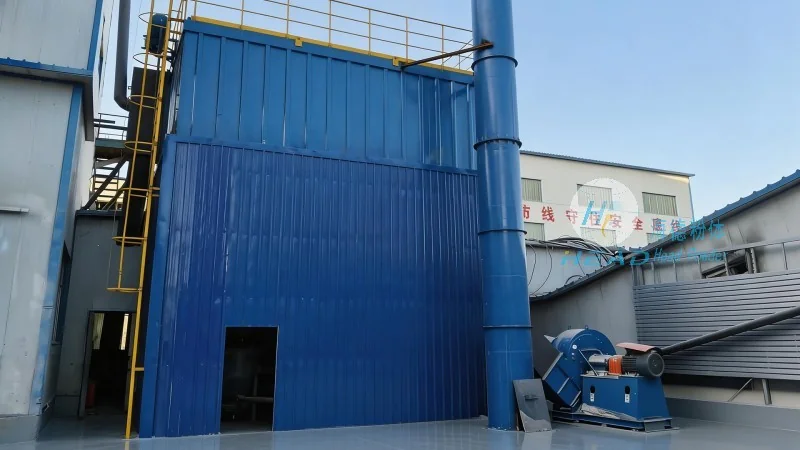
Design Principles for Efficient Carbon Powder Conveying
Designing an effective pneumatic conveying system for carbon powders requires careful consideration of several key principles. First, the system must maintain a consistent air velocity within the conveying line to prevent material settling or blockages. This is typically achieved by calculating the appropriate air flow rate based on the material's properties and the system's layout. Second, the system should minimize pressure drops to reduce energy consumption and maintain the required conveying capacity. Engineers often use computational fluid dynamics (CFD) and empirical formulas to model the system and optimize these parameters. Third, the design must account for the material's behavior under different air pressures, including its tendency to form agglomerates or clog in the pipes. Proper hopper design and the use of air knives or other de-agglomeration devices can help mitigate these issues.
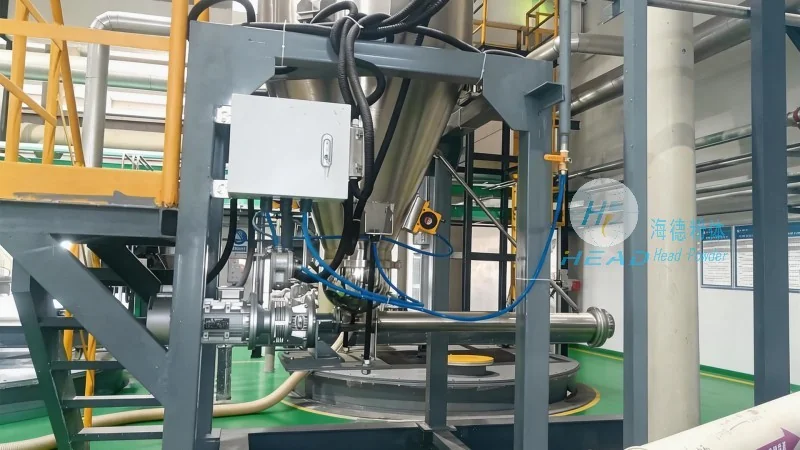
Applications and Benefits in Carbon Processing Industries
Pneumatic conveying systems are widely used in the carbon processing industry for tasks such as transporting carbon black, graphite powders, and other carbon-based materials. The benefits of using such systems include improved safety by reducing dust exposure, increased efficiency by eliminating the need for manual handling, and enhanced product quality by minimizing contamination. Companies like Shandong HeadPowder Engineering Co., Ltd. specialize in designing and manufacturing customized pneumatic conveying solutions tailored to the unique needs of carbon processing facilities.
Conclusion: The Role of Engineering Expertise in Carbon Powder Conveying
Efficient pneumatic conveying of powdered carbon materials relies on a combination of sound engineering principles and specialized equipment. By understanding the design principles and components involved, industries can optimize their material handling processes, reduce operational costs, and improve overall productivity. With a focus on innovation and customer-specific solutions, companies like Shandong HeadPowder Engineering Co., Ltd. play a vital role in advancing the technology and application of pneumatic conveying systems for carbon powders.