

What is Pigment Material Pneumatic Conveying? And What Are Its Design Principles?
Understanding the fundamentals of pigment material pneumatic conveying is crucial for industries that handle fine powders, as it offers an efficient and effective method for transporting these materials. This article delves into the concept of pneumatic conveying for pigments, exploring its applications and the core design principles that underpin successful system implementation.
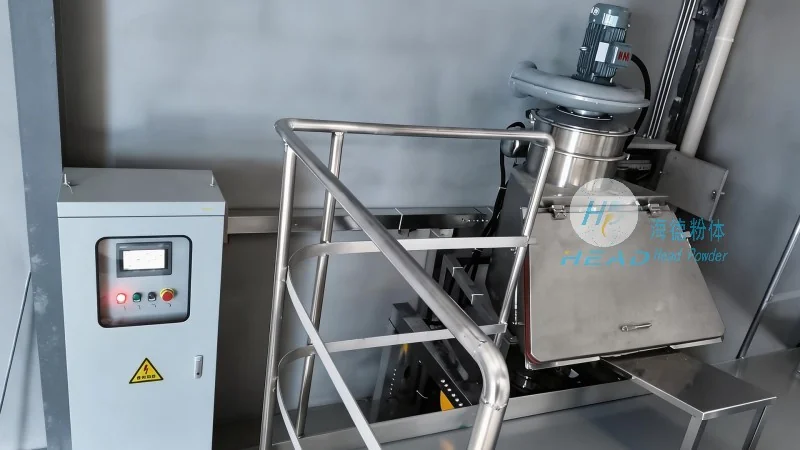
Pigment Material Pneumatic Conveying: An Overview
Pigment material pneumatic conveying refers to the process of transporting dry, particulate materials such as pigments, powders, and granules using a gas stream, typically air or other gases. This method is widely used in industries like coatings, inks, plastics, and pharmaceuticals, where the handling of fine powders requires precision and minimal contamination. Unlike traditional mechanical conveying systems, pneumatic conveying offers advantages like reduced equipment wear, lower maintenance costs, and the ability to transport materials over longer distances without the need for multiple transfer points.
Key Components of a Pneumatic Conveying System
At the heart of any pneumatic conveying system are several critical components that work in tandem to ensure efficient material transport. These components include the material feed system, the conveying line (which may be either positive or negative pressure), the gas source (usually a blower or compressor), and the receiving equipment. The material feed system is responsible for introducing the pigment powder into the system, often using a hopper or a rotary valve to control the flow rate. The conveying line, which can be a pipe or a duct, is where the material is carried by the gas stream. The gas source provides the necessary pressure or vacuum to move the material through the line. Finally, the receiving equipment, such as a silo or a storage tank, collects the material at the destination.
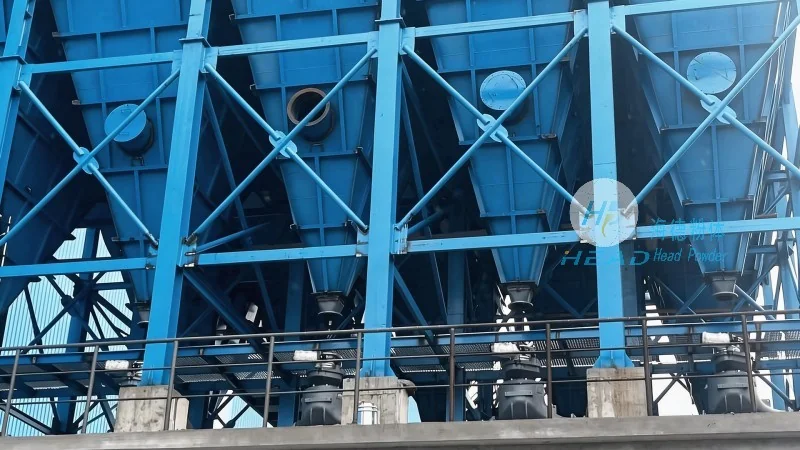
Design Principles for Efficient Pigment Conveying
The design of a pneumatic conveying system for pigments must consider several key factors to ensure optimal performance. First, the particle size and density of the pigment material are critical. Fine particles may require higher air velocities to prevent clogging or settling, while larger particles may need lower velocities to avoid excessive wear on the system components. The system's capacity, or the amount of material that can be transported per hour, is another important consideration. This is determined by the size of the conveying line, the air flow rate, and the material's flow properties. Additionally, the system must be designed to minimize pressure drops, as excessive pressure loss can reduce the conveying distance or require a more powerful gas source. Proper system sizing and component selection are essential to achieve these goals.
Advantages of Pneumatic Conveying for Pigments
Implementing a pneumatic conveying system for pigment materials offers numerous benefits. One of the most significant advantages is the reduction in dust generation and contamination. Unlike mechanical systems that may cause particle breakage or mixing with other materials, pneumatic conveying keeps the pigment powder in a closed system, preventing exposure to the environment and maintaining its purity. This is particularly important for pigments used in high-quality applications, such as automotive coatings or specialty inks. Another advantage is the flexibility of the system. Pneumatic conveying can be easily integrated with existing production lines, allowing for seamless material transfer between processes. The system can also be scaled up or down to accommodate changes in production volume, making it a versatile solution for various industrial needs.
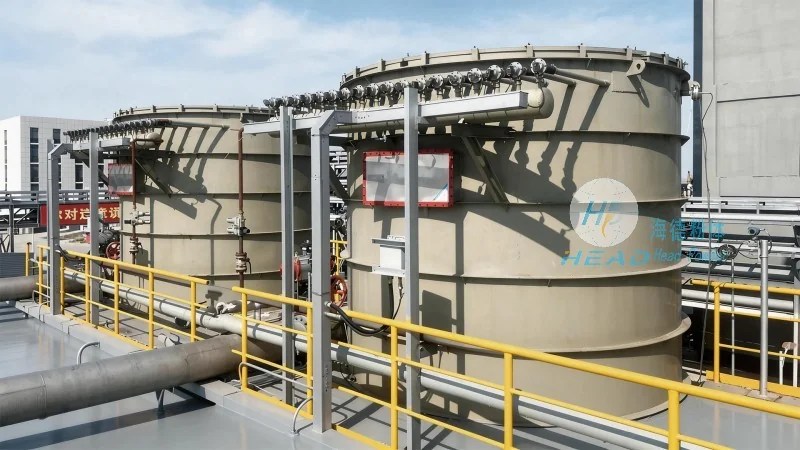
Applications in the Pigment Industry
Pigment material pneumatic conveying is widely used in various applications within the pigment industry. For example, in the production of coatings, pigments are often transported from storage silos to mixing equipment using pneumatic systems. This ensures a consistent and controlled flow of pigment into the mixing process, which is critical for achieving the desired color and performance in the final product. In the ink industry, pneumatic conveying is used to transport pigments from raw material storage to the ink manufacturing line, where they are combined with other components to form the final ink product. The pharmaceutical industry also utilizes pneumatic conveying for handling pigments used in drug formulations, ensuring that the materials are handled hygienically and without contamination. In each of these applications, the design of the pneumatic system is tailored to the specific requirements of the pigment material and the production process.
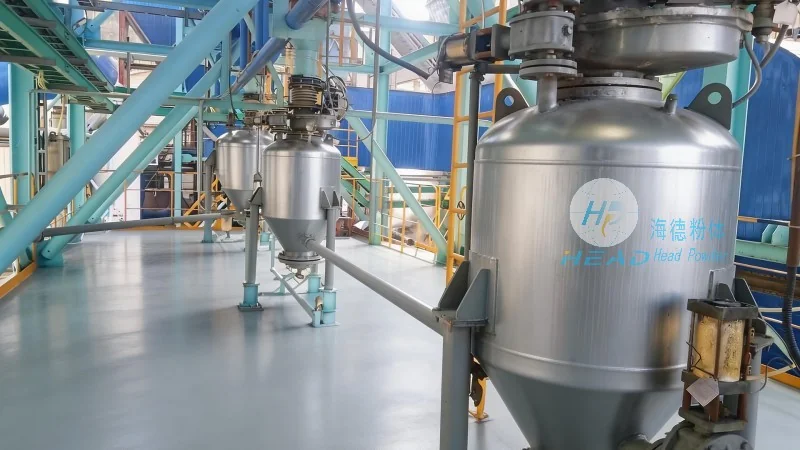
Considerations for System Maintenance and Operation
Proper maintenance and operation of a pneumatic conveying system are essential to ensure long-term efficiency and reliability. Regular cleaning of the conveying line and components is necessary to prevent the buildup of material residue, which can lead to clogging or reduced performance. The gas source and filters must also be maintained to ensure clean air is supplied to the system, as contaminants can affect the material's quality and the system's performance. Additionally, monitoring the system's pressure and flow rates is important to detect any issues early and prevent downtime. Proper training of operators on the system's operation and maintenance is also crucial to ensure safe and efficient use of the equipment.
Conclusion
Pigment material pneumatic conveying is a highly effective method for transporting fine powders in various industrial applications. By understanding the design principles and components of a pneumatic conveying system, industries can optimize their material handling processes, reduce costs, and improve product quality. With the right system design and maintenance, pneumatic conveying can provide a reliable and efficient solution for transporting pigments, contributing to the overall success of pigment-based products.