

What is the pneumatic conveying of malt dregs? What are the design principles?
For those in the food processing industry, particularly those dealing with byproducts like malt dregs, understanding the efficient and effective methods of material handling is crucial. One such method is pneumatic conveying, a technology that has revolutionized how bulk materials are transported, including the challenging malt dregs. This article aims to explore the concept of malt dregs pneumatic conveying and delve into the core design principles that underpin this technology, providing insights into how it can be applied in industrial settings.
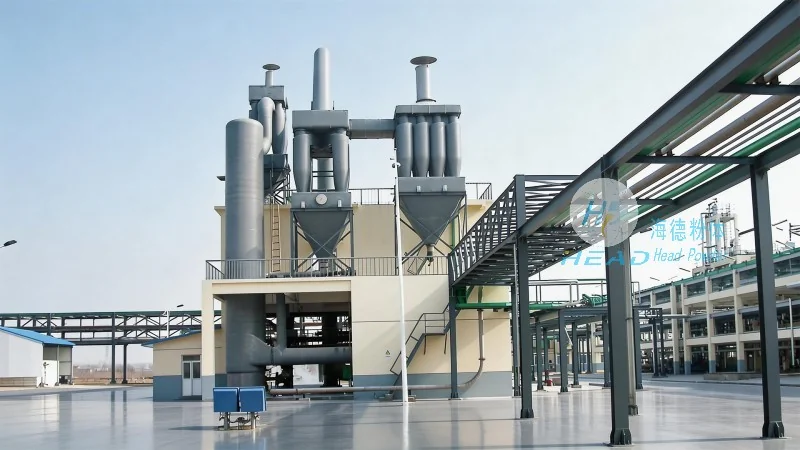
Introduction to Malt Dregs and Pneumatic Conveying
Malt dregs, also known as spent grain or malt residue, are the solid byproducts generated during the brewing process. These materials are rich in fiber and can be challenging to handle due to their abrasive nature and varying particle sizes. Traditional methods of material transport, such as belt conveyors or screw conveyors, may not be suitable for malt dregs due to the risk of clogging, wear and tear, and inefficient handling of fine particles. Pneumatic conveying offers a solution by using air to transport the material, reducing the need for mechanical components that can be prone to failure or maintenance issues.
About Shandong HeadPowder Engineering Co., Ltd.
At the heart of effective pneumatic conveying solutions for malt dregs is the expertise and innovation of Shandong HeadPowder Engineering Co., Ltd., commonly known as HeadPowder. With a focus on engineering excellence and customer-centric solutions, HeadPowder specializes in designing and manufacturing pneumatic conveying systems tailored to the unique challenges of food processing industries. The company's commitment to quality, reliability, and efficiency has made it a trusted partner for businesses seeking to optimize their material handling processes.
Design Principles of Malt Dregs Pneumatic Conveying
The design of a pneumatic conveying system for malt dregs involves several critical principles that ensure optimal performance and longevity. First, the system must be designed to handle the specific properties of malt dregs, including their particle size distribution, moisture content, and abrasive characteristics. This requires careful selection of materials for the conveying lines, such as stainless steel or high-grade plastic, to minimize wear and prevent clogging. Second, the air velocity and pressure must be optimized to ensure that the material is transported efficiently without causing excessive pressure drops or energy consumption. This involves calculating the necessary air flow rates and pressure levels based on the material's bulk density and flow characteristics.
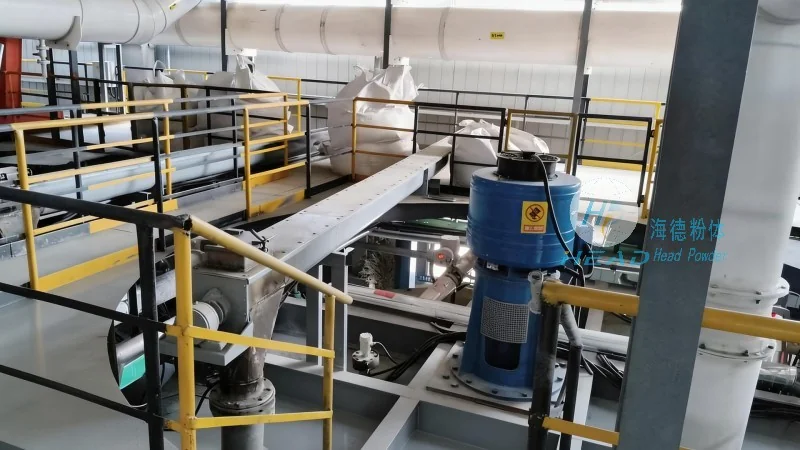
Third, the system design must consider the overall layout and integration with existing production lines. This includes determining the most suitable conveying path, the number of bends or turns, and the placement of components such as cyclones, filters, and dust collectors. Proper system integration is essential to ensure smooth operation and minimal disruption to the production process. Fourth, safety and maintenance considerations are paramount. The system must be designed with safety features to prevent dust explosions and include easy-to-access maintenance points to reduce downtime and operational costs.
Key Components and Their Roles
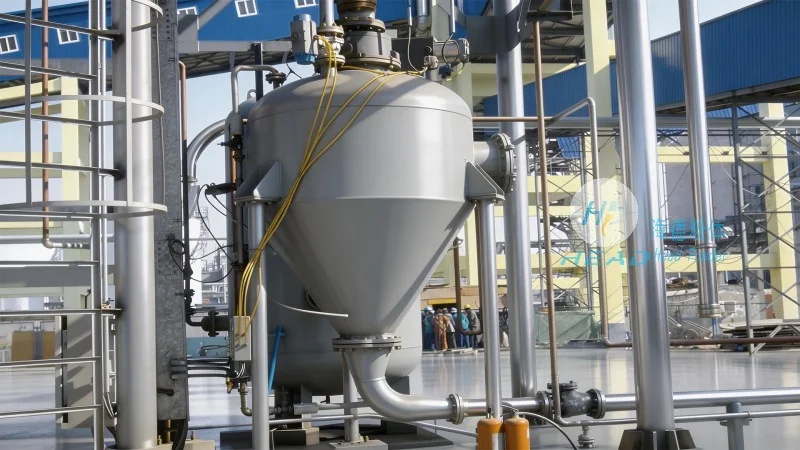
A pneumatic conveying system for malt dregs typically consists of several key components, each playing a vital role in the overall operation. The primary components include the material feed hopper, which holds the malt dregs and controls the flow rate; the air supply system, which provides the necessary air pressure and flow; the conveying line, which transports the material; and the collection system, which separates the material from the air and collects it in a storage container. Additional components may include cyclones, filters, and dust collectors to ensure that the air is clean and the material is properly handled.
Benefits of Malt Dregs Pneumatic Conveying
Implementing a pneumatic conveying system for malt dregs offers numerous benefits for food processing businesses. One of the most significant advantages is the reduction in labor costs and maintenance expenses. By eliminating the need for mechanical conveyors, businesses can reduce the risk of equipment failure and the associated downtime. Additionally, pneumatic conveying systems are more hygienic and easier to clean, which is crucial in food processing environments where sanitation is a top priority. The technology also allows for greater flexibility in system layout, enabling businesses to adapt to changing production needs without major modifications.
Another key benefit is the improvement in material handling efficiency. Pneumatic conveying systems can transport malt dregs over longer distances and with greater accuracy than traditional methods, reducing the need for multiple handling steps and improving overall production throughput. This increased efficiency translates into higher productivity and lower operational costs, making it a valuable investment for businesses looking to optimize their operations.
Conclusion
In conclusion, the pneumatic conveying of malt dregs is a highly effective and efficient method of material handling that addresses the unique challenges of this byproduct. The design principles that underpin this technology, combined with the expertise of companies like Shandong HeadPowder Engineering Co., Ltd., ensure that businesses can achieve optimal performance and reliability in their material handling processes. By understanding the key components and benefits of pneumatic conveying, food processing businesses can make informed decisions about implementing this technology and improving their overall operational efficiency.