

What is Bulk Material Pneumatic Conveying? What are the Design Principles?
Understanding bulk material pneumatic conveying systems is crucial for industries dealing with the handling and transportation of dry, granular, or particulate materials. This method involves using air or gas to transport bulk materials through a pipeline network, offering a flexible and efficient solution for various applications.
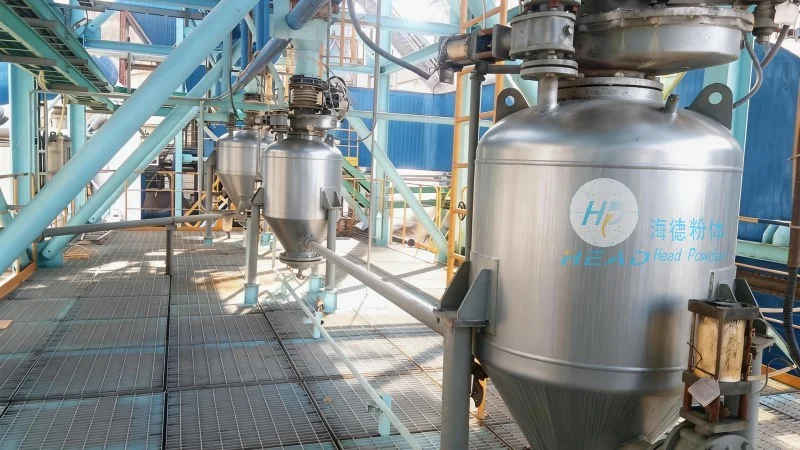
What is Bulk Material Pneumatic Conveying?
Bulk material pneumatic conveying, also known as pneumatic conveying, is a technology that uses air or gas to transport bulk materials such as powders, granules, and other particulate substances from one location to another. Unlike traditional mechanical conveyors like belt or screw conveyors, pneumatic systems rely on the force of moving air to move materials through a sealed pipeline. This method is widely used in industries like food processing, pharmaceuticals, chemicals, and mining due to its ability to handle a wide range of materials and its flexibility in system design.
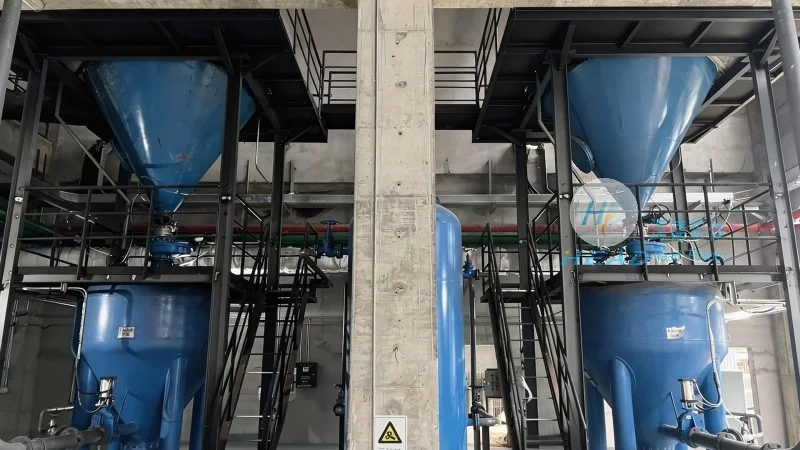
Key Design Principles of Pneumatic Conveying Systems
The design of a pneumatic conveying system involves several critical principles that ensure efficient and reliable operation. These principles include:
- System Type Selection: The choice between positive pressure, negative pressure, or a combination of both depends on the material characteristics, distance, and system layout. Positive pressure systems push material through the pipeline using a blower or compressor, while negative pressure systems pull material using a vacuum fan.
- Material Characteristics: The properties of the bulk material, such as particle size, density, moisture content, and flowability, are crucial in determining the appropriate conveying velocity and system configuration. For example, cohesive or sticky materials may require higher air velocities or special hopper designs to prevent blockages.
- Conveying Velocity and Pressure: The velocity of the air and the pressure within the system are key factors. Proper velocity ensures that the material is fully entrained and transported without causing excessive wear on the system components. The pressure level is determined by the required conveying distance and the material's resistance to flow.
- Pipeline Design: The layout and diameter of the pipeline are critical. The pipeline must be sized to handle the material's flow rate and velocity without causing excessive pressure drop or material deposition. Elbows, bends, and other fittings are designed to minimize friction losses and maintain material flow.
- Equipment Selection: Components like hoppers, feeders, blowers, and receivers are selected based on the system requirements. Hoppers are designed to provide a stable material feed, while blowers or vacuum fans generate the necessary air flow. Receivers are used to collect the conveyed material and separate it from the air.
Applications and Benefits of Pneumatic Conveying
Pneumatic conveying systems are used in a variety of applications across different industries. In the food industry, they are used to transport ingredients like flour, sugar, and spices. In the pharmaceutical industry, they handle powders and granules for drug manufacturing. In the chemical industry, they transport raw materials and finished products. The benefits of pneumatic conveying include:
- Flexibility: Systems can be easily reconfigured or expanded to accommodate changing production needs.
- Sanitary and Clean: Enclosed pipelines prevent contamination and are easy to clean, making them suitable for food and pharmaceutical applications.
- Reduced Maintenance: Compared to mechanical conveyors, pneumatic systems have fewer moving parts, leading to lower maintenance costs and longer equipment life.
- Energy Efficiency: Modern systems use energy-efficient blowers and optimized designs to reduce operational costs.
About Shandong HeadPowder Engineering Co., Ltd.
Shandong HeadPowder Engineering Co., Ltd., commonly known as HeadPowder, is a leading provider of bulk material handling solutions. With a focus on innovation and quality, HeadPowder specializes in designing and manufacturing pneumatic conveying systems tailored to the specific needs of various industries. The company's expertise lies in understanding the unique challenges of material handling and providing customized solutions that enhance efficiency and reliability. HeadPowder's commitment to customer satisfaction and technological advancement has made it a trusted partner for businesses seeking reliable bulk material transportation solutions.