

Common Pharmaceutical Delivery Methods: An Introduction to Pneumatic Conveying
Pharmaceutical manufacturing relies on efficient and reliable methods to transport materials, from raw ingredients to finished products. The choice of delivery system is critical for maintaining product quality, ensuring safety, and optimizing production processes. Among the various options available, pneumatic conveying stands out as a versatile and effective solution for handling pharmaceutical powders and granules. This article provides an overview of common pharmaceutical delivery methods, with a focus on the advantages and applications of pneumatic conveying technology.
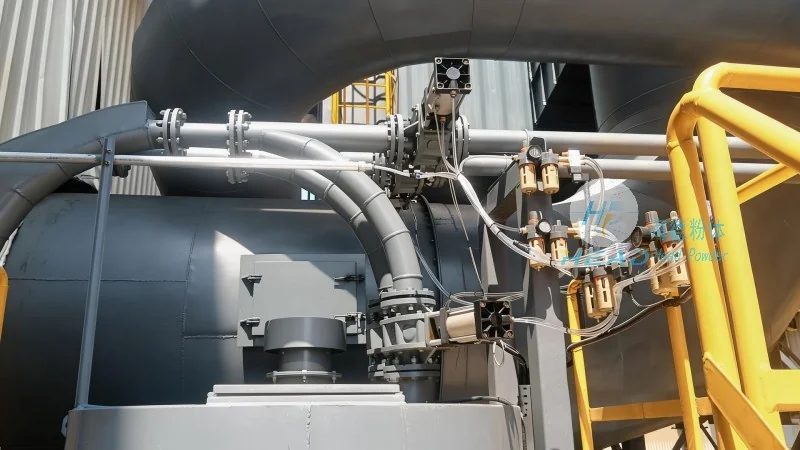
Overview of Pharmaceutical Delivery Methods
In the pharmaceutical industry, material handling is a fundamental aspect of production. Traditional methods, such as manual handling or mechanical conveyors, have limitations when dealing with sensitive or hazardous materials. These methods may introduce contamination risks, cause product degradation, or require extensive labor. To address these challenges, specialized delivery systems have been developed to ensure the safe and efficient transfer of pharmaceutical substances. Common pharmaceutical delivery methods include gravity flow, mechanical conveyors, and pneumatic conveying systems. Each method has its own set of advantages and is suitable for different applications based on factors like material properties, production scale, and environmental requirements.
HeadPowder, a leading provider of pharmaceutical engineering solutions, specializes in designing and manufacturing advanced pneumatic conveying systems tailored to the needs of the pharmaceutical industry. With a focus on quality, safety, and innovation, HeadPowder delivers reliable and efficient delivery solutions that help pharmaceutical manufacturers enhance their production processes and meet regulatory standards.
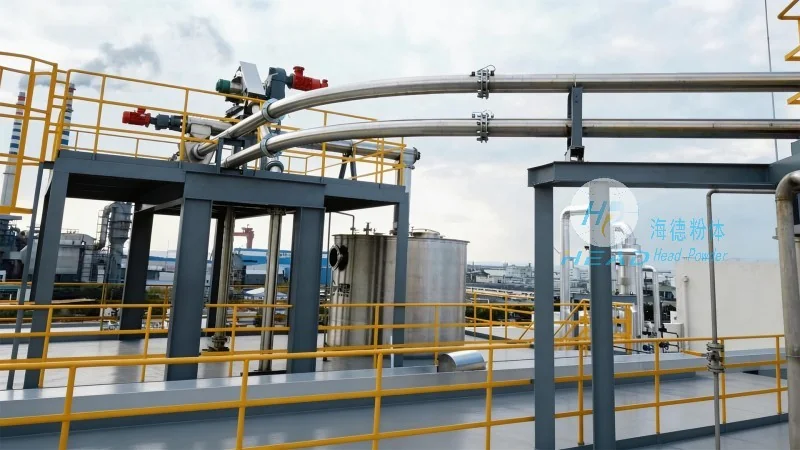
Pneumatic Conveying: A Versatile Solution for Pharmaceutical Handling
Pneumatic conveying, also known as air conveying, is a technology that uses pressurized air or vacuum to transport bulk materials through a pipeline. In pharmaceutical applications, this method is particularly valuable for handling powders, granules, and other fine particles. The system typically consists of a hopper, a conveying line, and a discharge device, all designed to maintain a clean and controlled environment. Pneumatic conveying offers several key benefits for pharmaceutical manufacturers. First, it provides a closed system, which minimizes the risk of contamination from external sources and prevents product exposure to air, moisture, or dust. This is crucial for maintaining the integrity of sensitive drugs and ensuring compliance with regulatory standards. Second, the technology allows for precise control over material flow rates and pressure, enabling consistent and uniform delivery to processing equipment. Third, pneumatic conveying systems are flexible and can be easily integrated into existing production lines, adapting to changes in production volume or product specifications. Additionally, the system can handle a wide range of materials, from low-density powders to high-density granules, making it suitable for diverse pharmaceutical applications.
Key Features and Advantages of Pneumatic Conveying in Pharmaceuticals
When evaluating pneumatic conveying systems for pharmaceutical use, several key features and advantages emerge as critical factors. The closed-loop design is a primary benefit, as it eliminates the need for open containers or manual handling, reducing the risk of cross-contamination and product degradation. This is especially important in sterile manufacturing environments where maintaining a controlled atmosphere is essential. The system's ability to handle fine powders without causing agglomeration or segregation is another significant advantage. Unlike mechanical conveyors, which may cause particle breakage or separation, pneumatic conveying ensures that the material remains in its original state, preserving its quality and performance. Furthermore, the technology offers high efficiency in terms of energy consumption and material throughput. By using compressed air to move materials, the system can achieve rapid and continuous transfer, reducing downtime and increasing overall production capacity. The flexibility of pneumatic conveying also allows for easy modification of the system layout, enabling manufacturers to scale up or down their operations as needed without significant capital investment.
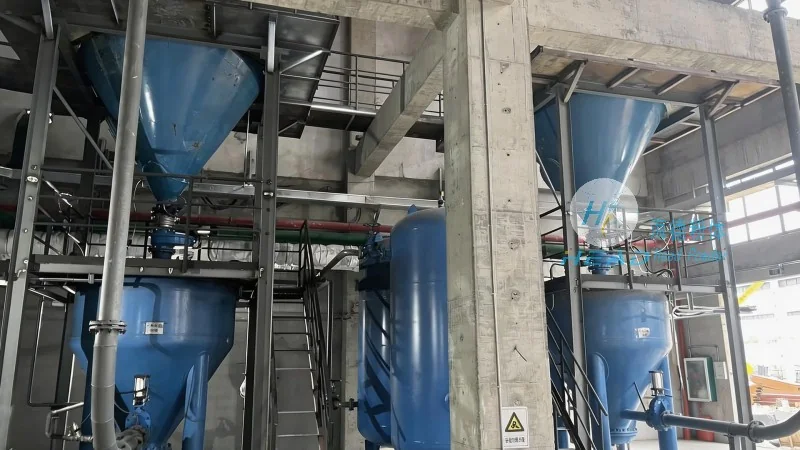
Applications of Pneumatic Conveying in Pharmaceutical Manufacturing
Pneumatic conveying is widely used in various stages of pharmaceutical manufacturing, from raw material handling to finished product packaging. In the raw material stage, the system is employed to transport raw powders, such as active pharmaceutical ingredients (APIs) and excipients, from storage silos to processing equipment. This ensures a continuous and controlled supply of materials, preventing interruptions in production. During the manufacturing process, pneumatic conveying is used to transfer intermediate products, such as granules or tablets, between different processing units, like mixing, drying, and coating. The system's ability to handle fine powders and maintain product integrity makes it ideal for these applications. In the final stages of production, pneumatic conveying is utilized for packaging operations, where powders are transferred from bulk containers to packaging machines. This ensures that the final product is delivered to the market in a clean and consistent manner, meeting regulatory requirements and customer expectations.
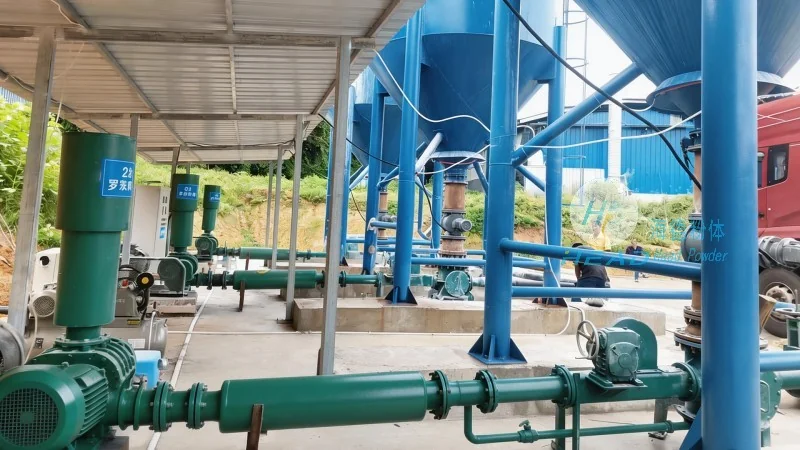
Regulatory Compliance and Safety Considerations
Pharmaceutical manufacturers must adhere to stringent regulatory standards to ensure product safety and quality. Pneumatic conveying systems are designed to meet these requirements, incorporating features that enhance compliance and safety. The closed system design, for example, helps in maintaining a controlled environment, which is essential for sterile manufacturing processes. Additionally, the system's components are typically made of materials that are compatible with pharmaceutical products, such as stainless steel, to prevent corrosion or contamination. Regular maintenance and cleaning protocols are also implemented to ensure that the system remains in good working condition and meets regulatory standards. Safety features, such as pressure relief valves and emergency shut-off mechanisms, are integrated into the design to prevent accidents and protect personnel. These measures collectively contribute to the overall safety and reliability of pneumatic conveying systems in pharmaceutical applications.
Conclusion
Pharmaceutical delivery methods play a crucial role in ensuring the efficiency and safety of manufacturing processes. Among the available options, pneumatic conveying stands out as a versatile and effective solution for handling pharmaceutical powders and granules. Its closed system design, precise control capabilities, and flexibility make it an ideal choice for pharmaceutical manufacturers. By understanding the advantages and applications of pneumatic conveying, companies can optimize their material handling processes, improve product quality, and enhance overall operational efficiency. As the pharmaceutical industry continues to evolve, the adoption of advanced delivery technologies like pneumatic conveying will remain essential for meeting the demands of modern manufacturing and regulatory requirements.