

Common Carbon Black Conveying Methods: An Introduction to Carbon Black Pneumatic Conveying
Carbon black is a critical component in various industrial applications, including rubber, plastics, and pigments. Efficient and reliable transportation of carbon black from production sites to processing facilities is essential for maintaining production efficiency and product quality. Among the various methods available, pneumatic conveying stands out as a popular and effective approach for handling carbon black, especially in large-scale industrial operations. This article provides an overview of common carbon black conveying methods, with a focus on the principles and applications of carbon black pneumatic conveying.
Introduction to Carbon Black Conveying
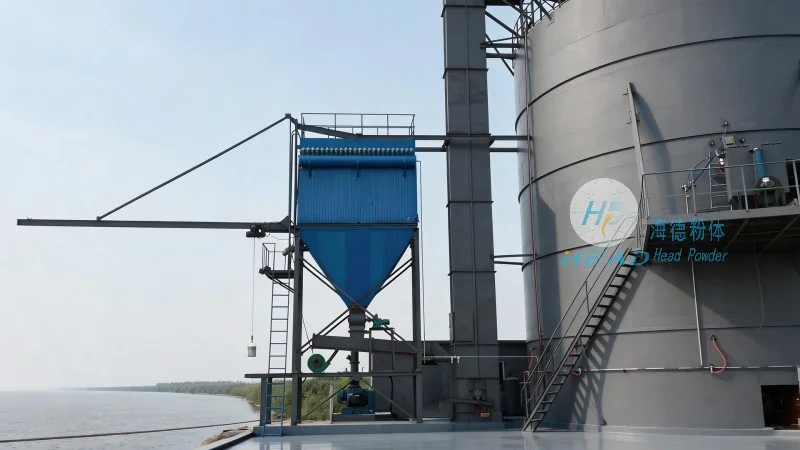
Carbon black, a fine powder with high density and abrasive properties, requires specialized handling techniques to prevent material loss, equipment wear, and safety hazards. Traditional methods like belt conveyors or screw conveyors may not be suitable for carbon black due to its fine particle size and tendency to create dust. Pneumatic conveying, which uses air pressure to transport powders through a pipeline system, offers a solution that minimizes material degradation and ensures a clean, dust-free transfer process.
Common Carbon Black Conveying Methods
Several methods are employed for carbon black transportation, each with its own advantages and limitations. The primary categories include mechanical conveying systems and pneumatic conveying systems. Mechanical systems, such as belt conveyors and screw conveyors, are commonly used for bulk materials but may not be ideal for fine powders like carbon black due to high friction and material buildup. In contrast, pneumatic conveying systems utilize air to move carbon black particles through a sealed pipeline, reducing the risk of contamination and improving overall process control.
Carbon Black Pneumatic Conveying: Principles and Types
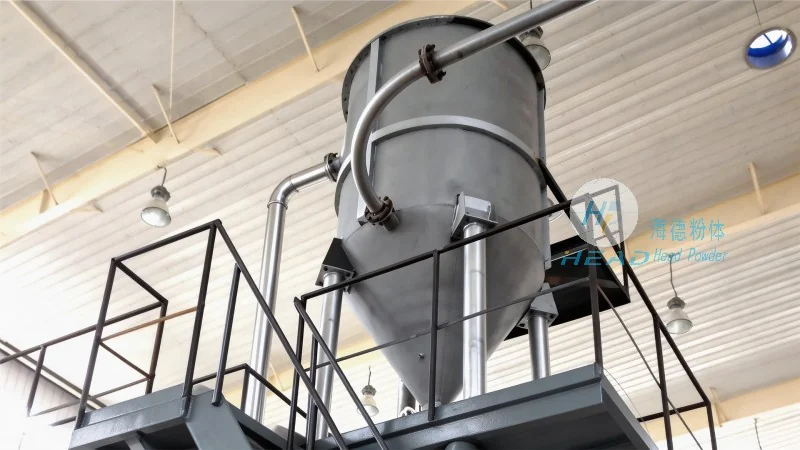
Pneumatic conveying operates on the principle of using air pressure to transport solid particles. The system typically consists of a blower, a hopper for material storage, a pipeline network, and a receiver for the delivered material. There are two main types of pneumatic conveying: pressure and vacuum systems. Pressure systems use compressed air to push the material through the pipeline, while vacuum systems use a vacuum to draw the material from the source. For carbon black, pressure systems are often preferred due to their ability to handle high volumes and maintain consistent flow rates.
Key Components of a Carbon Black Pneumatic Conveying System
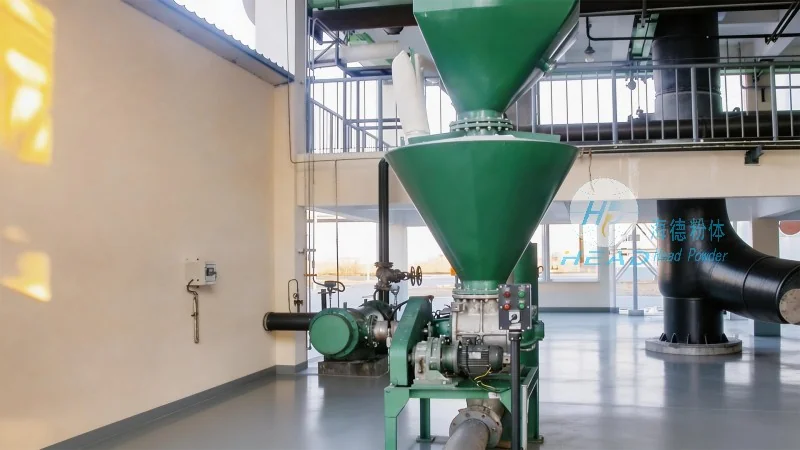
Effective carbon black pneumatic conveying relies on several key components that work together to ensure efficient operation. The blower or compressor provides the necessary air pressure to move the material. The hopper or feeder controls the flow of carbon black into the pipeline, preventing blockages and ensuring a steady supply. The pipeline network, made of materials resistant to abrasion and corrosion (such as stainless steel or special plastics), transports the carbon black from the source to the destination. The receiver or silo collects the material and may include dust collection systems to maintain air quality. Additionally, filters and cyclones are used to separate any fine particles from the air stream, preventing dust emissions and ensuring compliance with environmental regulations.
Advantages of Carbon Black Pneumatic Conveying
Carbon black pneumatic conveying offers several advantages over traditional mechanical methods. One of the primary benefits is the ability to handle fine powders without causing material degradation or segregation. The sealed pipeline system minimizes exposure to air and moisture, preserving the quality of the carbon black. Additionally, pneumatic conveying systems can be designed to operate at high speeds, reducing the overall time required for material transport. The system also allows for easy integration with other processing equipment, such as mixers or extruders, enabling a seamless production flow. Furthermore, pneumatic conveying reduces labor costs by automating the material handling process and minimizing the need for manual handling of carbon black.
Applications of Carbon Black Pneumatic Conveying
Carbon black pneumatic conveying is widely used in various industries that rely on carbon black as a key ingredient. In the rubber industry, carbon black is used as a reinforcing agent in tires and other rubber products. Pneumatic conveying systems efficiently transport carbon black from storage silos to mixing plants, ensuring consistent quality in the final product. In the plastics industry, carbon black is used as a pigment and UV stabilizer in plastic compounds. The ability to handle fine powders without contamination makes pneumatic conveying ideal for plastic manufacturing processes. Additionally, in the pigment industry, carbon black is used as a colorant in various applications, and pneumatic conveying systems help maintain the purity and consistency of the pigment during transportation.
Considerations for Implementing Carbon Black Pneumatic Conveying
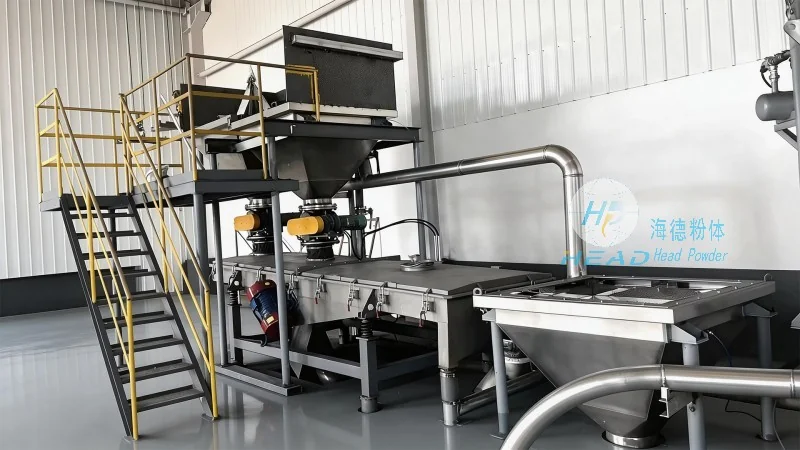
While carbon black pneumatic conveying offers numerous benefits, there are several factors to consider when implementing such a system. The first consideration is the particle size and density of the carbon black, as these properties affect the system's design and performance. Larger particles may require higher air velocities to maintain flow, while smaller particles may need more careful control to prevent clogging. The system's capacity and flow rate must also be matched to the production requirements to avoid bottlenecks or overloading. Additionally, the material of construction for the pipeline and components must be selected based on the carbon black's abrasiveness and chemical properties to ensure long-term durability. Environmental regulations and dust control measures are also critical, as carbon black is a fine powder that can cause respiratory issues if not properly contained. Proper filtration and dust collection systems are essential to maintain air quality and comply with local regulations.
Conclusion
Carbon black pneumatic conveying is a highly effective method for transporting carbon black in industrial applications. By utilizing air pressure to move fine powders through a sealed pipeline system, this method minimizes material degradation, reduces contamination, and improves overall process efficiency. The advantages of pneumatic conveying, including high speed, low labor costs, and easy integration with other equipment, make it a preferred choice for many industries. However, successful implementation requires careful consideration of the carbon black's properties, system design, and environmental compliance. As a leading provider of carbon black handling solutions, Shandong HeadPowder Engineering Co., Ltd. specializes in designing and manufacturing customized pneumatic conveying systems tailored to the specific needs of carbon black producers and processors. With a focus on quality and reliability, HeadPowder ensures that carbon black is transported safely and efficiently, supporting the productivity and success of its clients in the global market.