

What is Chloroprene Rubber Bulk Material Pneumatic Conveying? What are the Design Principles?
Chloroprene rubber, also known as neoprene, is a synthetic polymer widely used in industrial applications due to its excellent resistance to oil, chemicals, and weathering. When handling chloroprene rubber in bulk, efficient and reliable material transport is crucial for maintaining product quality and operational efficiency. Pneumatic conveying systems offer a solution for moving chloroprene rubber from storage to processing equipment, ensuring a clean and controlled process. This article explores the concept of chloroprene rubber bulk material pneumatic conveying and delves into the design principles that underpin such systems.
Understanding Chloroprene Rubber and Its Handling Requirements
Chloroprene rubber is a versatile elastomer with unique properties that make it suitable for a range of applications, including automotive parts, seals, and protective coatings. However, its handling requires careful consideration due to its fine particle size and tendency to generate static electricity. Proper material handling is essential to prevent agglomeration, dust generation, and loss of product quality. Pneumatic conveying provides a non-contact method of transporting chloroprene rubber, minimizing the risk of contamination and ensuring consistent material flow.
Pneumatic Conveying Systems: An Overview
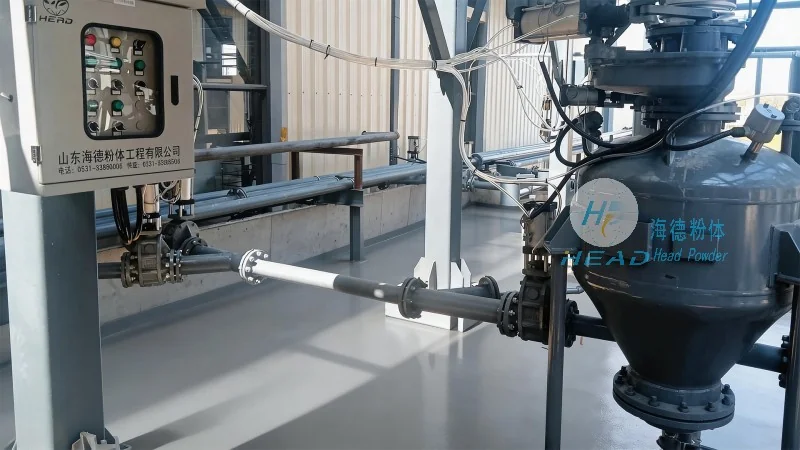
Pneumatic conveying systems use compressed air to transport bulk materials through a pipeline. There are two main types: pressure and vacuum systems. Pressure systems push material from a source to a destination using positive pressure, while vacuum systems pull material using negative pressure. For chloroprene rubber, a pressure system is often preferred as it offers better control over material flow and reduces the risk of dust exposure. The system typically consists of a hopper, a feeder, a pipeline, and a receiver. The hopper stores the chloroprene rubber, the feeder controls the flow rate, the pipeline transports the material, and the receiver collects the material at the destination.
Design Principles for Chloroprene Rubber Pneumatic Conveying
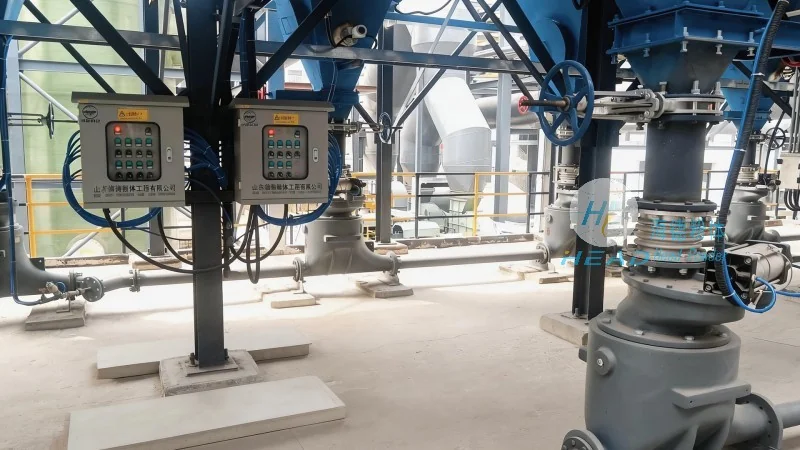
The design of a chloroprene rubber pneumatic conveying system must consider several key factors to ensure optimal performance and reliability. First, the system must be designed to handle the specific properties of chloroprene rubber, including its particle size, density, and flow characteristics. The pipeline diameter and length are critical parameters that affect the system's efficiency and energy consumption. The choice of materials for the hopper, feeder, and pipeline is also important to prevent corrosion and wear from the rubber particles. Additionally, the system must incorporate features to control dust and static electricity, such as grounding and filtration systems. Proper maintenance and monitoring are essential to ensure the system operates at peak performance and to detect any issues early.
Key Components and Their Function in the System
Several key components are integral to a chloroprene rubber pneumatic conveying system. The hopper is designed to store the chloroprene rubber and provide a consistent feed to the feeder. The feeder, often a rotary valve or a screw feeder, controls the flow rate of the material into the pipeline. The pipeline is typically made of stainless steel or other corrosion-resistant materials to withstand the abrasive nature of the rubber particles. The receiver is a container that collects the material at the processing equipment, such as a mixer or extruder. The system may also include a filter and a dust collector to remove any particles that escape the pipeline, ensuring a clean and safe environment. The control system monitors the pressure, flow rate, and other parameters to ensure the system operates within the design specifications.
Benefits of Using Pneumatic Conveying for Chloroprene Rubber
Implementing a pneumatic conveying system for chloroprene rubber offers several benefits. First, it provides a clean and dust-free method of material transport, which is essential for maintaining product quality and meeting regulatory requirements. Second, the system is flexible and can be easily integrated with existing processing equipment. Third, it reduces labor costs by automating the material handling process. Fourth, it improves safety by eliminating the need for manual handling of bulk materials. Finally, the system can be designed to handle varying flow rates and material types, making it a versatile solution for different industrial applications.
Case Study: HeadPowder's Chloroprene Rubber Pneumatic Conveying Solution
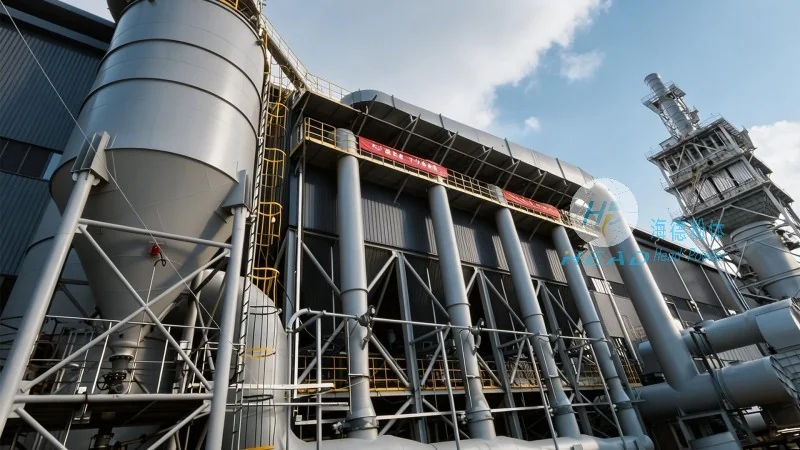
Shandong HeadPowder Engineering Co., Ltd., a leading manufacturer of material handling equipment, specializes in designing and manufacturing pneumatic conveying systems for various bulk materials, including chloroprene rubber. The company's expertise lies in understanding the unique properties of different materials and tailoring the system design to meet specific customer requirements. For example, a customer required a pneumatic conveying system for chloroprene rubber that could handle a high flow rate while maintaining low energy consumption. HeadPowder designed a system with a large hopper and a high-capacity feeder, using a stainless steel pipeline with a larger diameter to reduce pressure drop. The system also included a dust filtration system to ensure a clean environment. The result was a reliable and efficient system that met the customer's needs and improved their operational efficiency.
Conclusion: The Importance of Proper Design and Implementation
Chloroprene rubber bulk material pneumatic conveying is a critical process in many industrial applications. The design of the system must consider the specific properties of the material and the operational requirements of the customer. A well-designed pneumatic conveying system can improve product quality, reduce costs, and enhance safety. Shandong HeadPowder Engineering Co., Ltd. provides expert solutions for chloroprene rubber pneumatic conveying, ensuring that customers receive a system that meets their specific needs and operates at peak performance. By understanding the design principles and key components of a pneumatic conveying system, manufacturers can optimize their material handling processes and achieve better results.