

Common Silica Fume Conveying Methods: An Introduction to Silica Fume Pneumatic Conveying
Silica fume, also known as microsilica, is a byproduct of silicon metal or ferrosilicon production. It is a fine powder with high surface area and reactivity, widely used in concrete, mortar, and other construction materials to enhance strength and durability. Efficient and reliable conveying of silica fume is crucial for industrial applications, as it directly impacts production efficiency and material quality. Various methods are employed for silica fume transport, each with distinct advantages and applications.
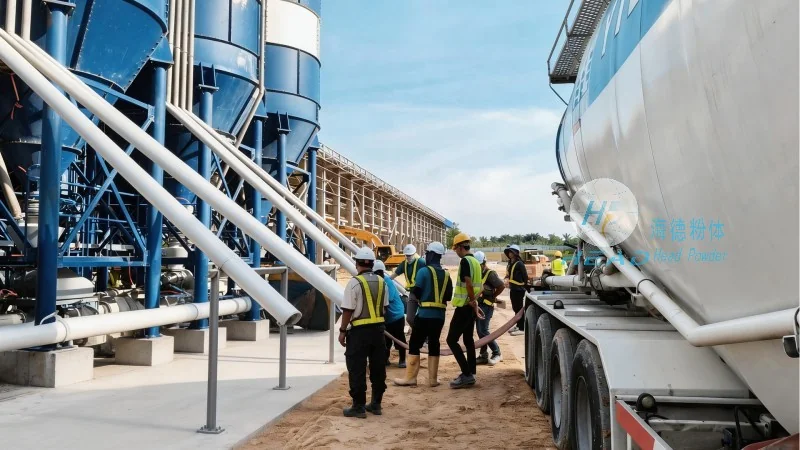
Overview of Common Conveying Techniques
Traditional conveying methods for bulk materials, such as belt conveyors and screw conveyors, may not be suitable for silica fume due to its fine particle size and potential for dust generation. These methods often face challenges like material buildup, clogging, and poor flow characteristics. To address these issues, specialized techniques have been developed to ensure safe and efficient transport of silica fume. The primary methods include pneumatic conveying, hydraulic conveying, and mechanical conveying systems, each tailored to specific operational requirements.
Pneumatic Conveying: The Preferred Method for Silica Fume
Pneumatic conveying, or air-assisted transport, is widely regarded as the most effective method for silica fume handling. This technique involves transporting the material using a stream of air or gas, which propels the powder through a pipeline system. Pneumatic conveying systems can be categorized into two main types: pressure and vacuum systems. Pressure systems use compressed air to push the material, while vacuum systems use suction to draw the material into the pipeline. Both types offer advantages in terms of flexibility, scalability, and ability to handle fine powders without clogging.
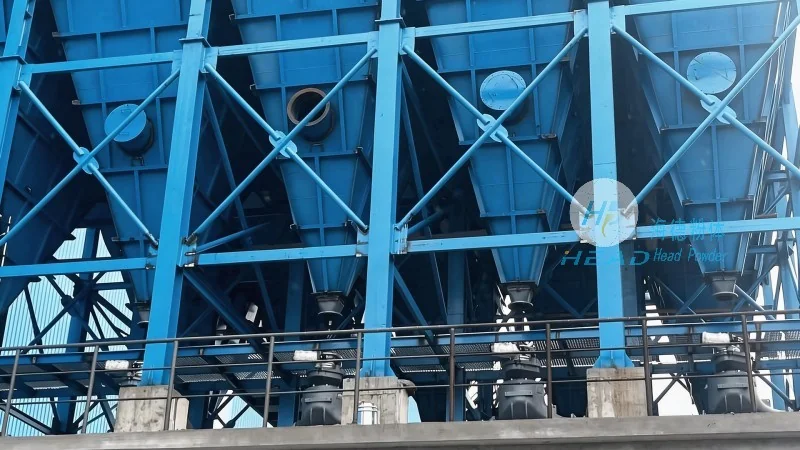
For silica fume, pressure pneumatic conveying is often preferred due to its ability to handle high volumes and long distances. The system typically consists of a hopper, a rotary valve, a conveyor line, and a receiver. The hopper stores the silica fume, and the rotary valve controls the flow of material into the conveyor line. The conveyor line is equipped with a series of pipes and fittings to direct the material to the desired destination. The receiver collects the material and may include a dust collection system to prevent environmental contamination. Pneumatic conveying ensures minimal product degradation, as the material is not subjected to mechanical stress or friction. It also allows for easy integration with other processing equipment, such as mixers and storage silos.
Key Advantages of Pneumatic Conveying for Silica Fume
Several key advantages make pneumatic conveying the preferred choice for silica fume transport. First, it provides a closed system, which helps to contain dust and prevent environmental pollution. This is particularly important for silica fume, as it is a fine powder that can be hazardous if released into the air. The closed system also reduces the risk of product contamination from external sources. Second, pneumatic conveying is highly efficient in terms of energy consumption. The system uses compressed air or vacuum to move the material, which is more energy-efficient than mechanical conveyors that rely on motors and gears. Third, it offers flexibility in terms of layout and distance. Pneumatic systems can be easily reconfigured to accommodate changes in production processes or facility expansions. Fourth, the method is suitable for both short and long-distance transport, making it versatile for various industrial applications.
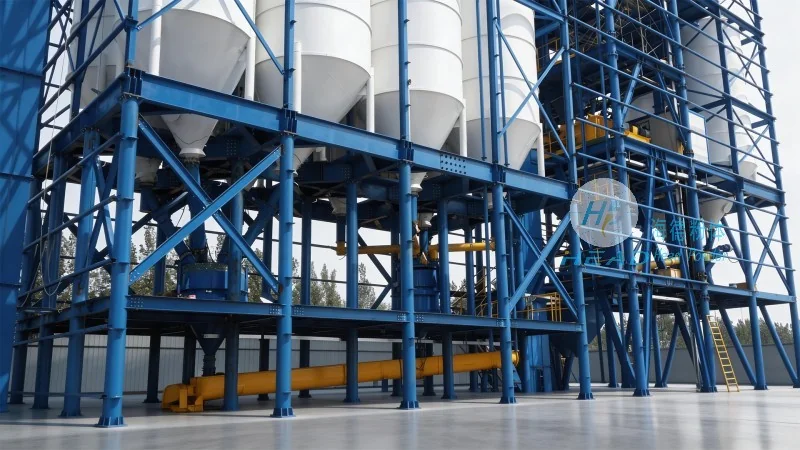
Considerations for Implementing Pneumatic Conveying Systems
While pneumatic conveying offers numerous benefits, several factors must be considered when implementing such a system for silica fume. First, the system design must be tailored to the specific properties of silica fume. The particle size, density, and moisture content of the material will affect the conveying velocity and pressure requirements. For example, finer particles may require higher air velocities to prevent clogging. Second, the material flow rate and distance must be carefully calculated to ensure optimal performance. Overloading the system can lead to reduced efficiency and increased energy consumption. Third, the system must include proper dust collection and filtration to comply with environmental regulations. Silica fume is a fine powder that can be easily suspended in the air, and inadequate filtration can result in dust emissions. Fourth, maintenance and operational costs must be considered. Pneumatic systems require regular maintenance of air compressors, filters, and pipelines to ensure reliable operation. Proper training of operators is also essential to prevent accidents and ensure efficient use of the system.
Conclusion: Choosing the Right Conveying Method for Silica Fume
In conclusion, the choice of conveying method for silica fume depends on various factors, including the scale of operation, distance, and specific application requirements. Pneumatic conveying, particularly pressure systems, is often the most suitable option due to its efficiency, flexibility, and ability to handle fine powders. However, other methods, such as hydraulic conveying, may be considered for specific applications where pressure systems are not feasible. It is essential to evaluate the pros and cons of each method and select the one that best meets the operational needs and environmental standards. By choosing the right conveying method, industrial facilities can ensure efficient and safe transport of silica fume, enhancing overall production performance and product quality.