

Common Carbon and Stone Powder Conveying Methods: An Introduction to Carbon and Stone Powder Pneumatic Conveying
Carbon and stone powders are widely used in various industrial applications, such as cement production, steel manufacturing, and chemical processing. The efficient transportation of these materials is critical for maintaining production efficiency, ensuring product quality, and minimizing operational costs. This article provides an overview of common conveying methods, with a focus on the advantages and applications of pneumatic conveying systems, which have become increasingly popular in modern industrial settings.
About HeadPowder
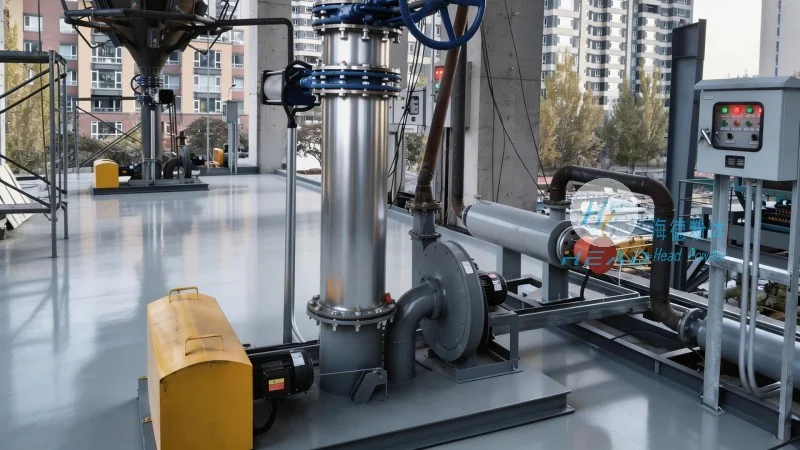
HeadPowder, formally known as Shandong HeadPowder Engineering Co., Ltd., is a professional manufacturer specializing in powder handling equipment. With a base in Shandong, China, the company has established itself as a leading provider of advanced conveying solutions for carbon and stone powders. HeadPowder's commitment to quality and innovation has enabled it to serve a wide range of industries, from construction to chemical manufacturing, by delivering reliable and efficient powder transport systems.
Types of Conveying Methods for Carbon and Stone Powders
There are several conventional methods for transporting carbon and stone powders, each with its own set of advantages and limitations. Mechanical conveying systems, such as screw conveyors and belt conveyors, are commonly used for short to medium distances and relatively low material volumes. These systems are generally cost-effective and straightforward to install, making them suitable for applications where the material is not highly abrasive or explosive. However, mechanical systems may suffer from wear and tear over time, especially when handling abrasive powders, and they may not be suitable for transporting materials that are sensitive to moisture or contamination.
Pneumatic Conveying: The Preferred Solution for Many Industries
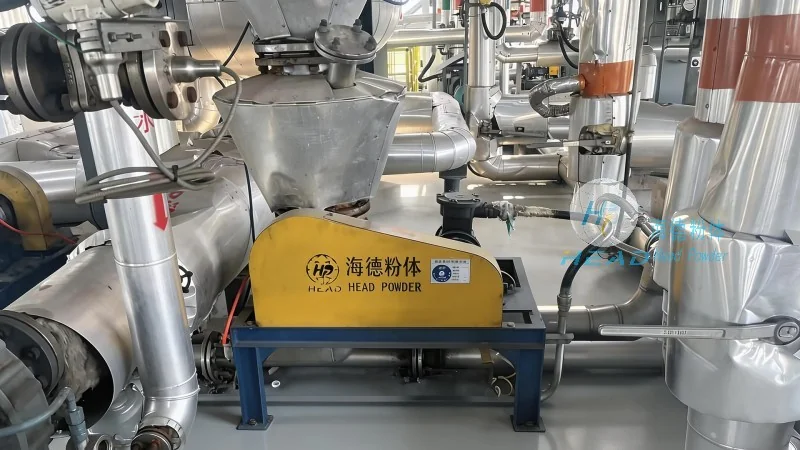
Pneumatic conveying, or air-assisted transport, has become the preferred method for many industries dealing with carbon and stone powders due to its flexibility, efficiency, and ability to handle a wide range of particle sizes and moisture contents. Unlike mechanical systems, pneumatic conveyors do not require physical contact with the material, reducing wear and tear on equipment and minimizing the risk of contamination. This makes them ideal for transporting materials that are sensitive to moisture or that need to be kept clean and dry, such as fine carbon powders used in battery production or stone powders for construction materials.
Types of Pneumatic Conveying Systems
There are two main categories of pneumatic conveying systems: suction (or vacuum) systems and pressure systems. Suction systems use a vacuum to draw material from a hopper or storage bin into the conveying line, while pressure systems use compressed air to push material through the system. The choice between these two depends on factors such as the distance to be covered, the volume of material to be transported, and the specific characteristics of the powder being handled. For example, suction systems are often used for short distances and low volumes, while pressure systems are more suitable for longer distances and higher volumes.
Advantages of Pneumatic Conveying for Carbon and Stone Powders
Several key advantages make pneumatic conveying an attractive option for carbon and stone powders. First, it offers a high degree of flexibility, as the conveying line can be easily reconfigured to accommodate changes in production processes or material flow. This flexibility allows manufacturers to adapt to changing market demands without significant capital investment. Second, pneumatic systems provide excellent control over the material's temperature and moisture content, which is critical for maintaining the quality of the final product. For instance, in the production of cement, controlling the moisture content of the raw materials is essential to prevent clumping and ensure consistent quality. Third, pneumatic systems are relatively compact and can be installed in tight spaces, making them suitable for facilities with limited floor space. This is particularly important in urban areas where industrial space is at a premium. Finally, pneumatic conveyors can handle a wide range of particle sizes and shapes, from fine powders to coarse granules, without causing blockages or damage to the equipment. This versatility makes them suitable for a variety of applications, from transporting fine carbon powders to larger stone granules used in road construction.
Components of a Pneumatic Conveying System
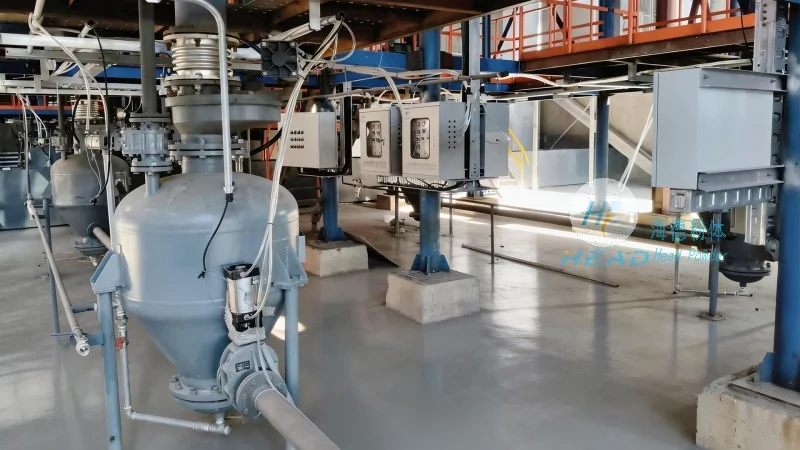
A typical pneumatic conveying system for carbon and stone powders consists of several key components. These include a hopper or storage bin to hold the material, a feeder to control the flow rate, a blower or compressor to provide the necessary air pressure, a conveying line (usually made of stainless steel or other corrosion-resistant materials to prevent material buildup and corrosion), and a separator or filter to remove the material from the air stream. The system may also include a dust collector to capture any airborne particles and a silencer to reduce noise levels, which is important for maintaining a safe and comfortable working environment. Additionally, some systems may include a vacuum pump or pressure regulator to ensure consistent air flow and pressure.
Customized Solutions from HeadPowder
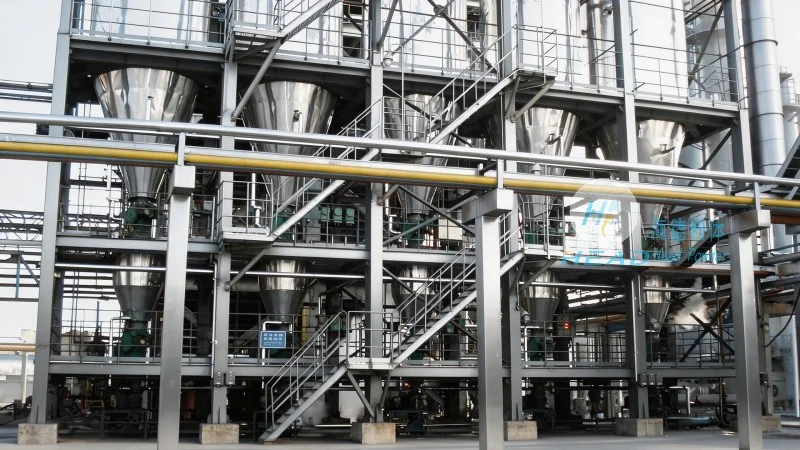
HeadPowder understands that each industrial application has unique requirements, and the company offers customized pneumatic conveying solutions tailored to the specific needs of its clients. By working closely with customers, HeadPowder engineers can design and manufacture systems that optimize material flow, minimize downtime, and reduce operating costs. The company's expertise in powder handling technology ensures that the final solution is not only efficient but also reliable and durable. For example, HeadPowder may recommend a combination of suction and pressure systems for a facility that needs to transport materials over both short and long distances, or a high-capacity pressure system for a large-scale cement plant. In all cases, the solutions are designed to meet the specific performance, safety, and maintenance requirements of the client.
Conclusion
Choosing the right conveying method for carbon and stone powders is essential for maintaining production efficiency and product quality. While mechanical systems have their place, pneumatic conveying offers superior flexibility, control, and reliability, making it the preferred choice for many industries. With its professional expertise and customized solutions, Shandong HeadPowder Engineering Co., Ltd. is well-positioned to provide the advanced conveying systems needed to meet the demands of modern industrial applications. By selecting the appropriate pneumatic conveying system and partnering with a reputable manufacturer like HeadPowder, industries can ensure the safe and efficient transport of carbon and stone powders, ultimately enhancing their overall operational performance and competitiveness.