

Common Calcium Hydroxide Conveying Methods: An Introduction to Pneumatic Conveying of Calcium Hydroxide
When it comes to handling and transporting calcium hydroxide, selecting the right conveying method is crucial for efficiency, safety, and cost-effectiveness. Calcium hydroxide, also known as slaked lime, is a white powder widely used in various industries including construction, water treatment, and chemical manufacturing. The choice of conveying system depends on factors such as material properties, plant layout, and operational requirements. In this article, we will explore common calcium hydroxide conveying methods, with a focus on pneumatic conveying as a key solution.
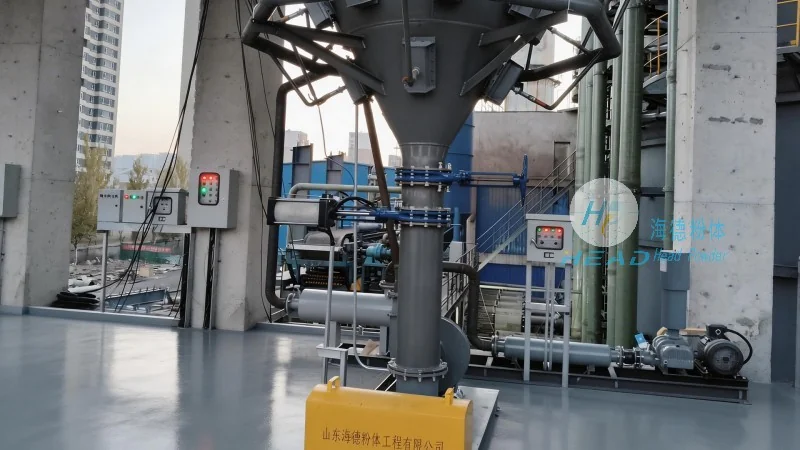
Pneumatic Conveying: A Preferred Method for Calcium Hydroxide Transport
HeadPowder, a leading provider of material handling solutions, specializes in pneumatic conveying systems tailored for calcium hydroxide applications. Pneumatic conveying uses air or gas to transport bulk materials through a pipeline system. This method offers several advantages for calcium hydroxide, including minimal product degradation, low maintenance requirements, and the ability to handle materials over long distances without the need for multiple transfer points. The system typically consists of a hopper, a rotary airlock, a conveying line, and a receiver, ensuring a continuous and controlled flow of the material.
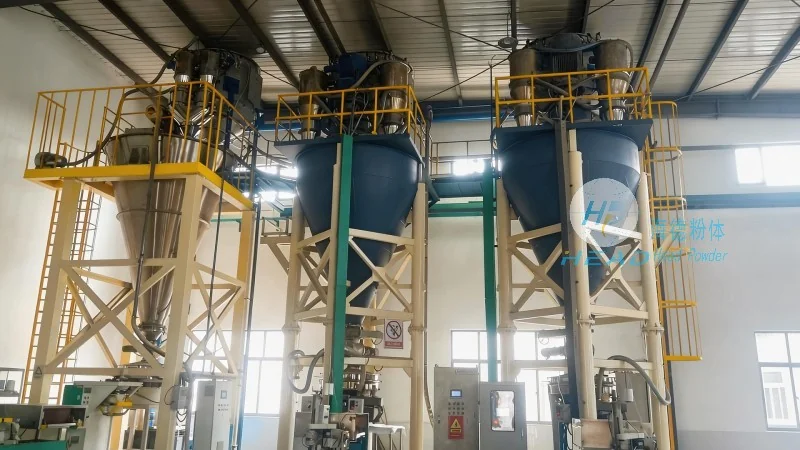
Key Components of a Pneumatic Conveying System for Calcium Hydroxide
For effective pneumatic conveying of calcium hydroxide, several critical components are essential. The hopper serves as the storage and feeding unit, holding the bulk material and regulating the flow rate. The rotary airlock is used to control the discharge of material from the hopper into the conveying line, preventing backflow and ensuring a steady supply. The conveying line is the main pipeline where compressed air or gas propels the material. The receiver collects the material at the destination point, allowing for safe and efficient unloading. Each component is designed to handle the specific characteristics of calcium hydroxide, such as its fine particle size and potential for dust generation.

Advantages of Pneumatic Conveying for Calcium Hydroxide
Pneumatic conveying provides numerous benefits for calcium hydroxide transport. One of the primary advantages is the ability to handle fine powders without the need for mechanical components that could cause clogging or wear. The system is also flexible, allowing for changes in the conveying route or destination without major modifications. Additionally, pneumatic conveying reduces the risk of product contamination and ensures a clean and hygienic handling process, which is particularly important in industries like food and pharmaceuticals where calcium hydroxide may be used as an ingredient or additive. The energy efficiency of pneumatic systems, especially when using low-pressure or vacuum conveying, further contributes to cost savings and environmental sustainability.
Applications of Pneumatic Conveying in Calcium Hydroxide Handling
HeadPowder's pneumatic conveying solutions are widely applied in various calcium hydroxide handling scenarios. In construction sites, the system efficiently transports calcium hydroxide from storage silos to mixing plants, ensuring a consistent supply for concrete and mortar production. In water treatment facilities, pneumatic conveying is used to deliver calcium hydroxide to dosing systems, where it is added to water to adjust pH levels and remove impurities. The system's ability to handle large volumes and maintain a uniform flow rate makes it ideal for industrial-scale operations. Furthermore, the system can be integrated with other processing equipment, such as reactors or reactors, to streamline the overall production process and improve operational efficiency.
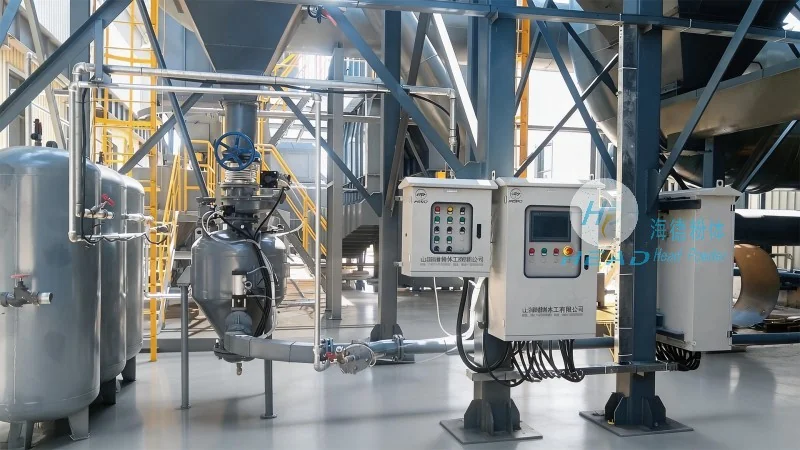
Conclusion: Choosing the Right Conveying Method for Calcium Hydroxide
When selecting a conveying method for calcium hydroxide, it is essential to consider the specific requirements of the application and the advantages offered by different systems. Pneumatic conveying, as highlighted by HeadPowder, provides a reliable and efficient solution for transporting calcium hydroxide in various industries. By understanding the key components and benefits of pneumatic conveying, businesses can make informed decisions to optimize their material handling processes. With its ability to handle fine powders, minimize product degradation, and offer flexibility, pneumatic conveying remains a preferred choice for calcium hydroxide transport, ensuring safety, efficiency, and cost-effectiveness in industrial operations.