

Common Methods for Transferring Wet Sodium Nitrate: An Introduction to Pneumatic Conveying of Wet Sodium Nitrate
For industries dealing with wet sodium nitrate, selecting the right material handling and conveying method is crucial for efficiency, safety, and operational reliability. Wet sodium nitrate, a common chemical used in fertilizers, explosives, and other industrial applications, presents unique challenges during transportation due to its moisture content and granular nature. This article explores the common methods for transferring wet sodium nitrate, with a focus on the advantages and applications of pneumatic conveying systems.
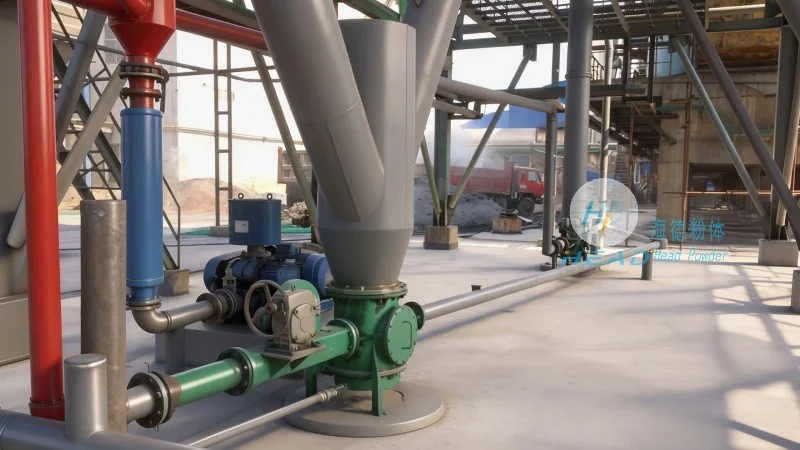
Understanding Wet Sodium Nitrate Handling and Conveying Challenges
Wet sodium nitrate, often in the form of granules or powder mixed with moisture, requires specialized equipment to ensure safe and efficient transport. Traditional methods like bucket elevators or screw conveyors may struggle with the material's tendency to clump or stick, leading to blockages and reduced throughput. Additionally, the moisture content can affect the material's flow properties, making it more difficult to handle in standard bulk material systems. Therefore, understanding the specific characteristics of wet sodium nitrate is essential when choosing a conveying solution.
Overview of Conventional and Advanced Conveying Methods
Several methods are commonly used for transporting wet sodium nitrate, each with its own set of advantages and limitations. Conventional methods include mechanical conveyors such as belt conveyors and screw conveyors, which are effective for horizontal or slight incline transport but may require frequent maintenance and cleaning due to the material's moisture content. Another traditional approach is the use of bucket elevators, which are suitable for vertical transport but can be prone to wear and tear from abrasive granules. More advanced systems, however, have emerged to address these challenges, particularly pneumatic conveying systems, which offer a flexible and efficient solution for wet sodium nitrate handling.
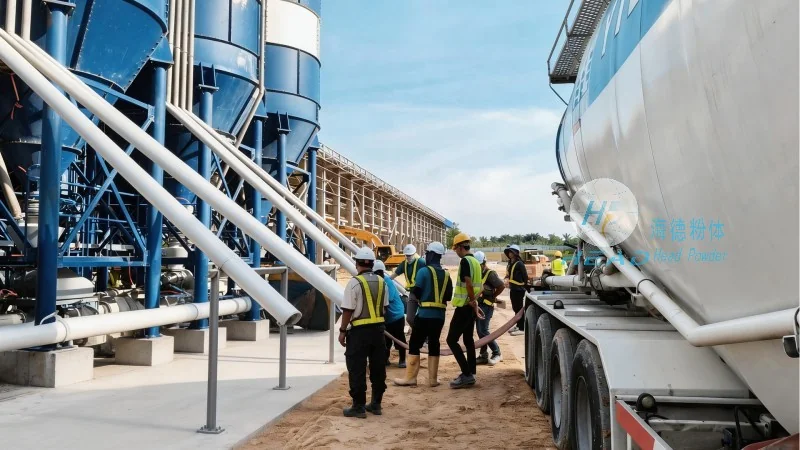
Pneumatic Conveying Systems for Wet Sodium Nitrate
Pneumatic conveying, or air-based transport, is a method that uses compressed air to move wet sodium nitrate through a pipeline. This technology is particularly well-suited for wet sodium nitrate due to its ability to handle moisture and granular materials without the need for mechanical parts that come into direct contact with the product. The system typically consists of a hopper to store the material, a blower or compressor to generate the air flow, and a pipeline network that transports the material to the destination. There are two main types of pneumatic conveying systems: dilute-phase and dense-phase. Dilute-phase systems use low-pressure air to move the material in a suspended state, while dense-phase systems use higher pressure to push the material in a more compacted form, reducing the risk of blockages and ensuring consistent flow.
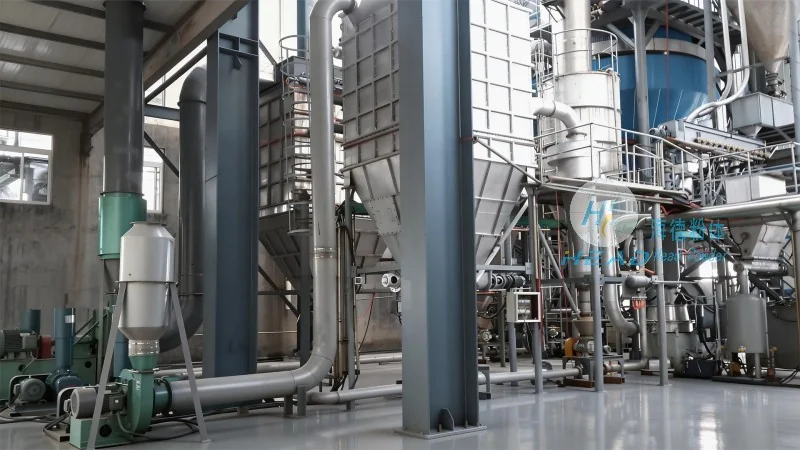
Advantages of Pneumatic Conveying for Wet Sodium Nitrate
Compared to traditional mechanical conveyors, pneumatic conveying systems offer several key advantages for wet sodium nitrate transport. First, they provide a completely enclosed system, which helps maintain product quality by preventing contamination from dust, moisture, or other environmental factors. This is particularly important for wet sodium nitrate, as it is sensitive to moisture and can degrade if exposed to air or contaminants. Second, pneumatic systems are highly flexible, allowing for vertical, horizontal, or even complex, multi-directional transport without the need for multiple pieces of equipment. This flexibility reduces the overall footprint of the system and simplifies the layout of the facility. Third, pneumatic conveying is often more energy-efficient than mechanical systems, as the air flow can be adjusted to match the material's flow characteristics, minimizing energy waste. Additionally, these systems are less prone to maintenance issues, as there are fewer moving parts that can wear out or require replacement.
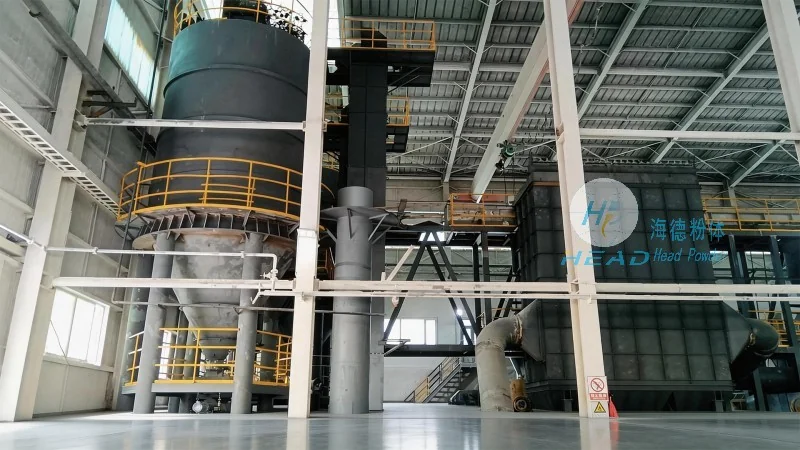
Application Examples and Considerations
The effectiveness of pneumatic conveying systems for wet sodium nitrate depends on several factors, including the material's moisture content, particle size, and the distance and layout of the transport route. For example, in fertilizer production facilities, pneumatic systems are commonly used to move wet sodium nitrate from storage silos to processing equipment or to other parts of the plant. In such applications, the system must be designed to handle the material's flow properties and ensure consistent delivery to downstream processes. Another consideration is the system's capacity, as the blower or compressor must be sized to handle the required throughput without causing excessive pressure drops or energy consumption. Proper maintenance of the air filtration system is also crucial to prevent dust buildup and ensure the longevity of the equipment.
Conclusion and Company Information
When selecting a conveying method for wet sodium nitrate, it is essential to consider the material's characteristics, the operational requirements of the facility, and the long-term cost and efficiency of the system. Pneumatic conveying systems, particularly dense-phase designs, offer a reliable and efficient solution for handling wet sodium nitrate, providing advantages in product quality, flexibility, and energy efficiency. As a leading provider of material handling solutions, Shandong HeadPowder Engineering Co., Ltd. specializes in designing and manufacturing custom pneumatic conveying systems tailored to the specific needs of industrial applications. With years of experience in the field, HeadPowder offers expert consultation and high-quality equipment to ensure optimal performance and reliability for wet sodium nitrate transport. Based in Shandong, China, HeadPowder serves clients worldwide, providing innovative solutions to meet the evolving demands of the chemical and industrial sectors.