

Working Principle and Features of Silica Fume Pneumatic Conveying Equipment
For industrial applications involving the handling of silica fume, efficient and reliable material transport is crucial. Pneumatic conveying systems have emerged as a preferred solution due to their ability to handle fine powders like silica fume with precision. This article explores the working principle and key features of silica fume pneumatic conveying equipment, highlighting its advantages and operational efficiency.
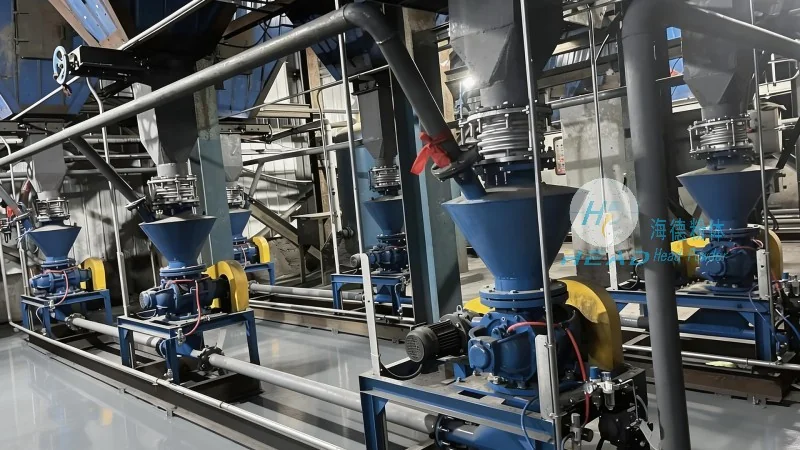
Introduction to Silica Fume Pneumatic Conveying
Silica fume, also known as microsilica, is a byproduct of silicon metal or ferrosilicon production. It is a fine powder with high surface area and reactivity, commonly used as a supplementary cementitious material in concrete to enhance durability and strength. The transportation of silica fume from storage to processing units requires specialized equipment that can handle its fine particle size and prevent dust emissions. Pneumatic conveying systems offer a solution by using air pressure to move the material through pipelines, ensuring a clean and efficient process.
Working Principle of Silica Fume Pneumatic Conveying Equipment
The core of silica fume pneumatic conveying equipment lies in its ability to transport powders using air as the conveying medium. The system typically consists of a hopper, a feeder, a conveying line, and a receiver. The working principle involves the following steps:
1. Material Loading: Silica fume is fed into the hopper from storage silos or bulk containers. The hopper is designed to maintain a consistent material level and prevent clogging.
2. Air Injection: A fan or blower generates high-pressure air, which is introduced into the conveying line. The air flow is controlled to ensure sufficient velocity to lift and transport the silica fume particles.
3. Particle Suspension: As the air flows through the pipeline, it suspends the silica fume particles, creating a slurry-like mixture. The velocity of the air must be maintained above the minimum conveying velocity to prevent particle deposition.
4. Transport to Receiver: The suspended material is carried through the pipeline to the receiving hopper or processing unit. The receiver is equipped with a filter or separator to remove any entrained air and collect the silica fume.
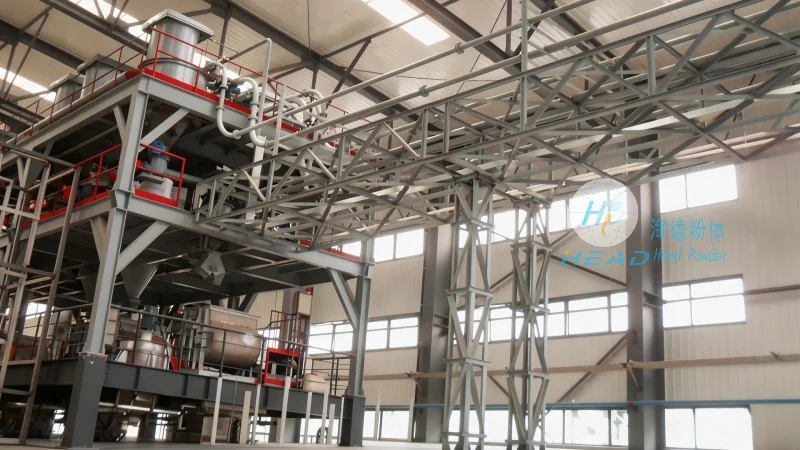
5. Air Filtration: The exhaust air from the receiver passes through a filtration system to capture any fine particles, ensuring compliance with environmental regulations and maintaining air quality.
Key Features and Advantages of Silica Fume Pneumatic Conveying Systems
Silica fume pneumatic conveying equipment from Shandong HeadPowder Engineering Co., Ltd. (headpowder) offers several key features that enhance performance and reliability:
1. High Efficiency and Low Maintenance: The system is designed for continuous operation with minimal downtime. Components such as the fan, feeder, and pipeline are constructed from durable materials to withstand the abrasive nature of silica fume, reducing maintenance requirements.
2. Low Dust Emission: Advanced filtration systems and sealed components minimize dust emissions during operation, contributing to a cleaner working environment and compliance with environmental standards.
3. Flexible Conveying Paths: Pneumatic conveying allows for flexible pipeline layouts, enabling the equipment to be installed in various industrial settings without the need for complex infrastructure modifications.
4. Energy Efficiency: Modern systems utilize energy-efficient fans and blowers, optimizing air flow to reduce energy consumption while maintaining effective material transport.
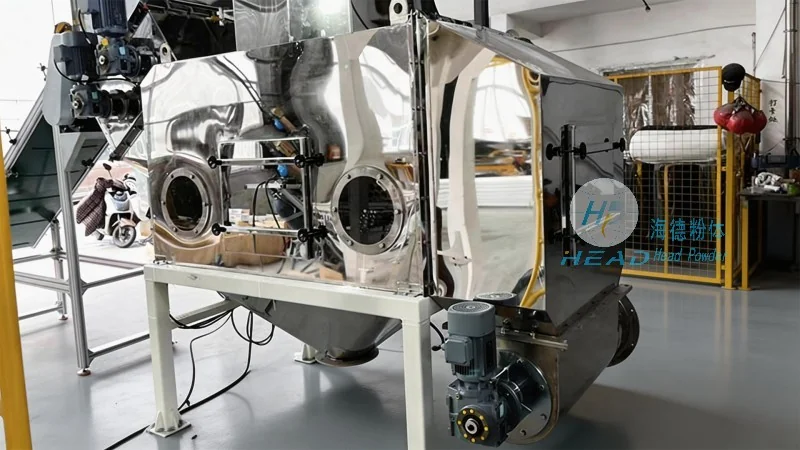
5. Customizable Solutions: headpowder provides tailored pneumatic conveying solutions based on the specific requirements of silica fume handling applications, including different conveying capacities, pipeline lengths, and material characteristics.
Operational Considerations and Best Practices
When implementing silica fume pneumatic conveying systems, several operational considerations are essential for optimal performance:
1. Proper Airflow Management: Maintaining the correct air velocity is critical to prevent particle deposition and ensure consistent material flow. Regular monitoring of air pressure and flow rates is recommended.
2. Material Conditioning: Silica fume may require pre-drying or conditioning to improve flowability and prevent agglomeration, which can affect conveying efficiency.
3. System Cleaning and Maintenance: Regular cleaning of the hopper, feeder, and pipeline is necessary to prevent material buildup and maintain system efficiency. Scheduled maintenance of the fan and filtration system is also important.
4. Environmental Compliance: Ensuring that the system meets local environmental regulations regarding dust emissions and air quality is crucial for long-term operation.
Conclusion
Silica fume pneumatic conveying equipment from Shandong HeadPowder Engineering Co., Ltd. offers a reliable and efficient solution for handling fine powders in industrial applications. By understanding the working principle and leveraging the key features of these systems, industries can enhance their material transport processes, improve operational efficiency, and ensure compliance with environmental standards. With its focus on durability, low maintenance, and customizable solutions, headpowder's pneumatic conveying systems provide a robust choice for silica fume handling needs.