

Working Principle and Features of Regenerated Sand Pneumatic Conveying Equipment
Regenerated sand pneumatic conveying equipment is a critical component in modern foundry operations, designed to efficiently transport and recycle used sand. This equipment is essential for optimizing the sand recycling process, which is a key factor in reducing material costs and enhancing production efficiency in casting industries. The following content will explore the working principle and key features of such equipment, providing a comprehensive understanding of its functionality and benefits.
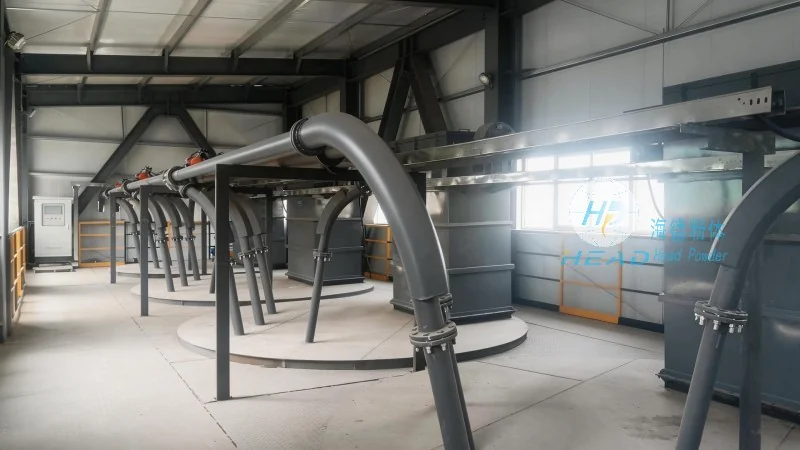
Introduction to Regenerated Sand Pneumatic Conveying Equipment
Shandong HeadPowder Engineering Co., Ltd., a leading manufacturer in the field, specializes in providing high-quality pneumatic conveying solutions tailored to the needs of foundries. The company, commonly known as HeadPowder, is headquartered in Shandong, China, and has established a strong reputation for its innovative and reliable equipment. The regenerated sand pneumatic conveying system offered by HeadPowder is engineered to handle the unique challenges of sand recycling, ensuring consistent performance and durability in demanding industrial environments.
Working Principle of Regenerated Sand Pneumatic Conveying Equipment
The core working principle of regenerated sand pneumatic conveying equipment involves the use of air pressure to transport granular materials, such as regenerated sand, through a closed pipeline system. The process typically begins with the sand being loaded into a hopper or feeder, where it is then drawn into the conveying line by a vacuum or pressure source. The equipment utilizes a combination of air flow and mechanical components to ensure the sand is moved efficiently without excessive wear or degradation. Key components include the material hopper, airlock valve, conveying pipe, and separation unit. The airlock valve controls the flow of sand into the pipeline, preventing backflow and maintaining consistent pressure. The conveying pipe is designed with appropriate diameter and length to accommodate the required material volume and distance. The separation unit, often a cyclone or filter, separates the sand from the air stream, allowing the air to be recycled and the sand to be directed back to the casting process. This closed-loop system minimizes dust emissions and ensures a clean, efficient operation.
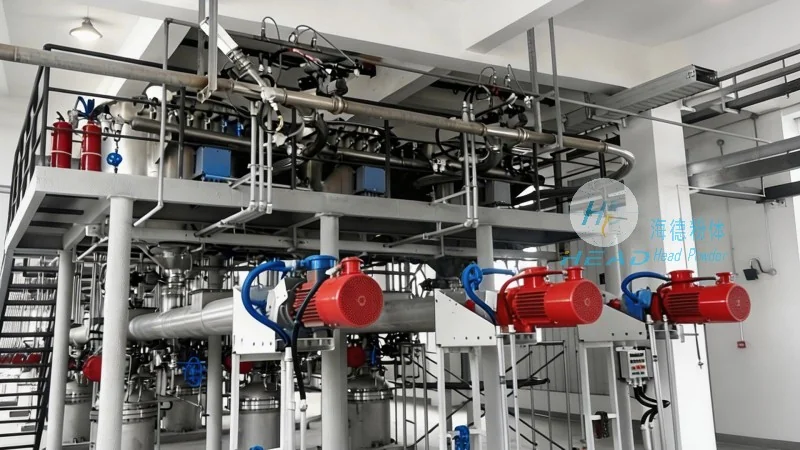
Key Features of Regenerated Sand Pneumatic Conveying Equipment
HeadPowder's regenerated sand pneumatic conveying equipment is characterized by several notable features that enhance its performance and usability. Firstly, the system is designed for high efficiency, capable of transporting large volumes of sand with minimal energy consumption. The use of advanced materials and engineering ensures low wear and long service life, reducing maintenance costs over time. The equipment is also highly adaptable, with options for both vacuum and pressure conveying, allowing it to be integrated into existing foundry setups or new installations. Another key feature is its environmental friendliness, as the closed system reduces dust emissions and improves air quality in the workplace. The equipment is also equipped with safety features, such as pressure relief valves and overload protection, to ensure safe operation in industrial settings. Additionally, the system is designed for easy maintenance, with accessible components and clear operational indicators, making it suitable for both large-scale and small-scale foundries.
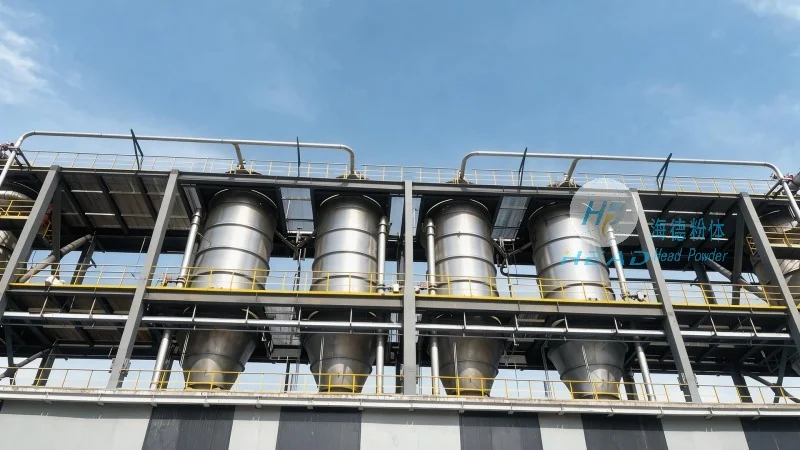
Application and Benefits in Foundry Operations
The application of regenerated sand pneumatic conveying equipment in foundry operations offers significant benefits, particularly in the context of sand recycling. By efficiently transporting used sand back to the molding process, the equipment helps to reduce the need for new sand, thereby lowering material costs and minimizing waste. The consistent quality of the recycled sand ensures that the casting process remains stable and reliable, leading to improved product quality and reduced defects. The equipment also contributes to increased production efficiency by streamlining the sand handling process, allowing foundries to operate more smoothly and with less downtime. Furthermore, the environmental benefits of reduced dust and improved air quality make the equipment an attractive choice for foundries looking to meet regulatory requirements and enhance their sustainability efforts.
Conclusion
In summary, regenerated sand pneumatic conveying equipment, as provided by Shandong HeadPowder Engineering Co., Ltd., is a vital tool for modern foundries seeking to optimize their sand recycling processes. The equipment operates on a principle of efficient air-based transport, utilizing advanced components to ensure reliable and low-maintenance performance. Its key features, including high efficiency, adaptability, and environmental friendliness, make it a valuable asset for foundries aiming to reduce costs, improve quality, and enhance sustainability. By understanding the working principle and benefits of such equipment, foundries can make informed decisions to integrate these systems into their operations and achieve long-term success in the competitive casting industry.