

[WTTLE]Working Principle and Features of Dry Yeast Pneumatic Conveying Systems
For detailed information on dry yeast pneumatic conveying systems, please refer to the content below.
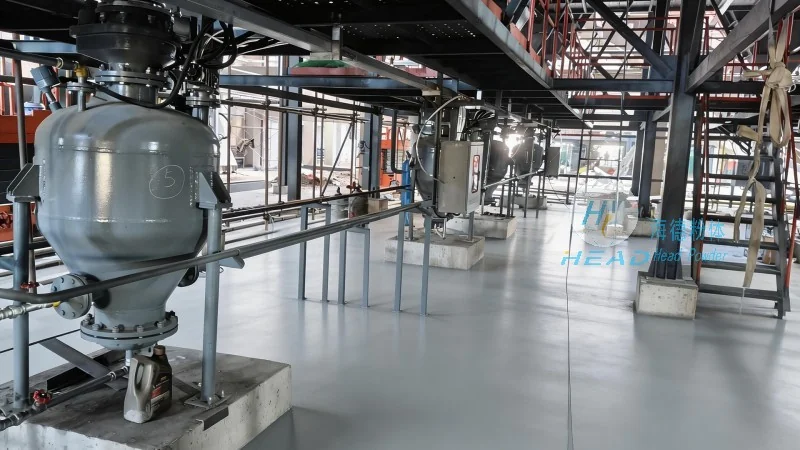
Introduction to Dry Yeast Pneumatic Conveying Systems
Dry yeast is a critical ingredient in the food and beverage industry, used in baking, brewing, and other fermentation processes. Efficient and reliable transportation of dry yeast is essential to maintain product quality and ensure smooth production operations. Pneumatic conveying systems have emerged as a preferred method for handling dry yeast due to their ability to transport materials in a closed system, minimizing contamination and loss. This article explores the working principle and key features of dry yeast pneumatic conveying systems, with a focus on the solutions provided by Shandong HeadPowder Engineering Co., Ltd., a leading manufacturer in the field.
Company Background: Shandong HeadPowder Engineering Co., Ltd.
HeadPowder, the professional brand under Shandong HeadPowder Engineering Co., Ltd., specializes in the design, manufacturing, and installation of pneumatic conveying equipment for various industries, including food, pharmaceuticals, and chemicals. With a strong commitment to quality and innovation, HeadPowder has established itself as a trusted partner for businesses seeking efficient material handling solutions. The company is headquartered in Shandong, China, and serves clients worldwide with customized pneumatic conveying systems tailored to their specific needs.
Working Principle of Dry Yeast Pneumatic Conveying Systems
The core of a dry yeast pneumatic conveying system is the use of compressed air or vacuum to move dry yeast particles through a network of pipes. The system typically consists of several key components, including a hopper for material storage, a feeder to control the flow rate, a conveying line (either positive or negative pressure), and a separator to separate the yeast from the air at the receiving end. The working principle can be broken down into the following steps:
1. Material Loading: Dry yeast is loaded into the hopper from a storage silo or bulk container. The hopper is equipped with a level indicator to monitor the material level and ensure continuous operation.
2. Feeding and Metering: A feeder, such as a rotary valve or a screw feeder, controls the flow of dry yeast from the hopper into the conveying line. The feeder maintains a consistent flow rate, preventing overloading or underfeeding, which can affect the conveying efficiency.
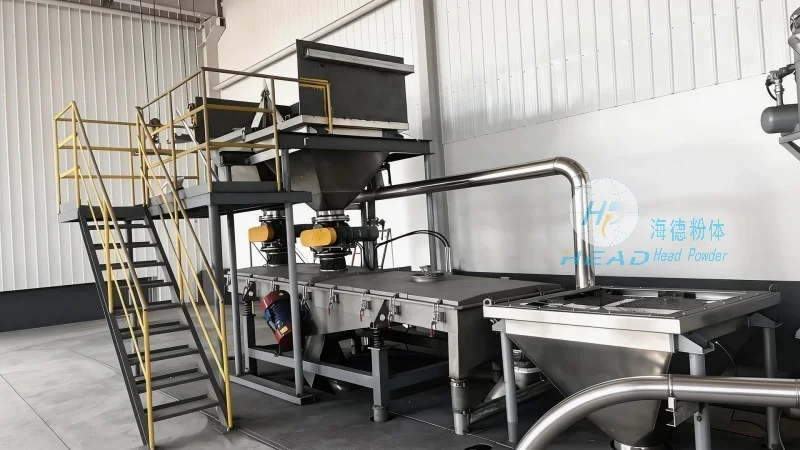
3. Conveying: Compressed air is introduced into the conveying line, creating a flow that propels the dry yeast particles forward. In positive pressure systems, air is blown into the line, while in negative pressure systems, air is drawn out, creating a vacuum that pulls the material. The choice between positive and negative pressure depends on factors such as the distance to be conveyed, the material characteristics, and the desired system design.
4. Separation and Discharge: At the receiving end, a separator (often a cyclone or a bag filter) separates the dry yeast from the air. The separated yeast is collected in a receiving hopper, while the air is either filtered and recirculated or released to the atmosphere. This step ensures that the final product remains clean and free from contaminants.
Key Features and Advantages of Dry Yeast Pneumatic Conveying Systems
Dry yeast pneumatic conveying systems offer several advantages that make them ideal for handling sensitive materials like dry yeast. These features include:
1. Closed System Operation: The entire conveying process is conducted in a closed system, preventing contamination from dust, moisture, or other environmental factors. This is particularly important for food-grade materials, as it maintains the hygiene and quality standards required by regulatory bodies.
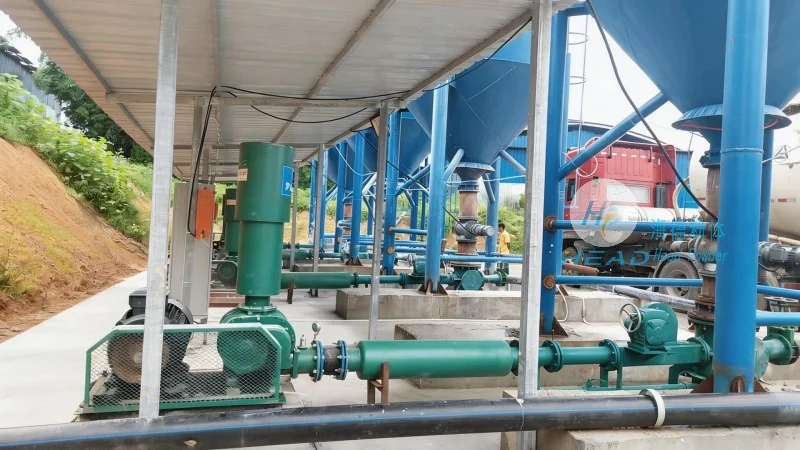
2. High Efficiency and Capacity: Pneumatic conveying systems can handle large volumes of dry yeast at high speeds, reducing the time and labor required for material transport. The consistent flow rate ensures that production lines operate smoothly without interruptions.
3. Minimal Product Loss and Degradation: The closed system and controlled air flow minimize the risk of product loss or degradation due to exposure to air or moisture. This helps maintain the nutritional value and quality of the dry yeast, which is crucial for its performance in downstream processes.
4. Versatility and Customization: HeadPowder offers customized pneumatic conveying systems that can be tailored to specific production requirements. Whether the application involves short or long-distance conveying, high or low pressure systems, or specific material characteristics, the company provides solutions that meet the unique needs of each client.
5. Easy Integration with Existing Systems: The dry yeast pneumatic conveying systems from HeadPowder can be easily integrated with existing production lines and equipment. This reduces the need for major modifications to the facility and minimizes downtime during installation.
Conclusion
Dry yeast pneumatic conveying systems are an essential component of modern food and beverage production, offering efficient, clean, and reliable transportation of dry yeast. With its advanced technology and commitment to quality, Shandong HeadPowder Engineering Co., Ltd. provides top-tier pneumatic conveying solutions that meet the highest industry standards. By understanding the working principle and key features of these systems, businesses can make informed decisions to improve their material handling processes and enhance overall operational efficiency.