

Working Principle and Features of Additive Pneumatic Conveying Systems
For industries dealing with additives, efficient and reliable material handling is crucial. The additive pneumatic conveying line, offered by Shandong HeadPowder Engineering Co., Ltd. (headpowder), based in Shandong, China, is a specialized system designed to meet these demands. This article explores the working principle and key features of such systems, providing insights into their functionality and benefits.
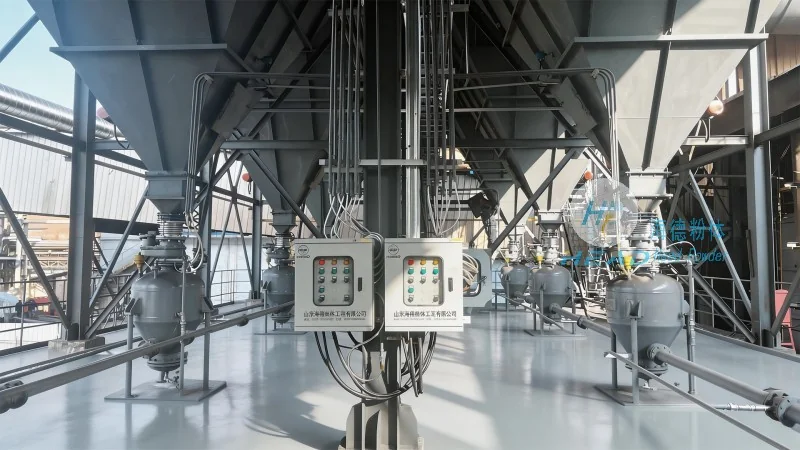
Understanding the Working Principle of Additive Pneumatic Conveying Lines
The core of an additive pneumatic conveying system lies in its ability to transport bulk materials, such as powders and granules, through a pipeline using air or gas as the conveying medium. There are primarily two types of pneumatic conveying systems: positive pressure and negative pressure. Positive pressure systems generate air pressure within the pipeline, pushing the material forward, while negative pressure systems create a vacuum to draw the material into the pipeline.
In the context of additive handling, positive pressure systems are often preferred due to their higher conveying capacity and ability to handle a wider range of materials, including those that are abrasive or have varying particle sizes. The system typically consists of a blower or compressor, a hopper for material storage, a feeder to control the flow rate, a pipeline network, and a receiver to collect the delivered material. The process begins when the feeder releases the additive into the pipeline, where it is entrained by the high-velocity air stream. The air and material mixture travels through the pipeline to the receiver, where the material is separated from the air, often through a cyclone or filter, and collected in the receiver.
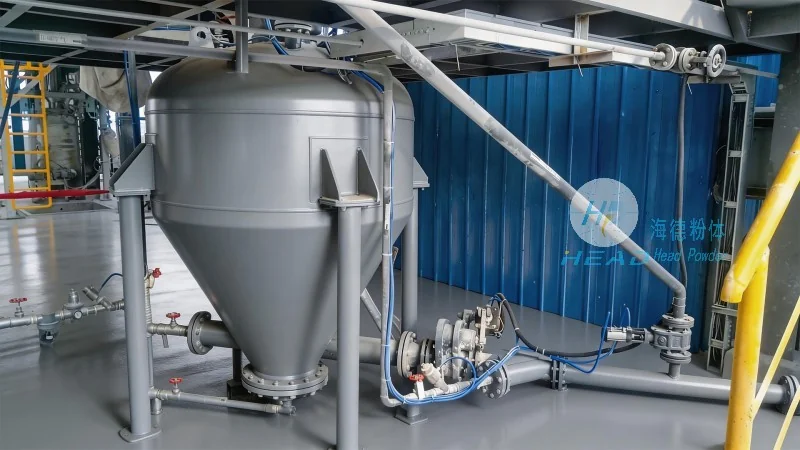
Key Features of Additive Pneumatic Conveying Systems
Several notable features make additive pneumatic conveying lines an attractive solution for material handling in various industries. Firstly, they offer high efficiency in terms of conveying speed and capacity, allowing for rapid transfer of large quantities of additives. This is particularly beneficial in production lines where timely material supply is essential for maintaining operational continuity.
Secondly, these systems provide excellent material containment and safety. Unlike traditional belt or bucket elevators, pneumatic conveying lines are enclosed, minimizing dust emissions and preventing material spillage. This not only enhances workplace safety but also helps in maintaining compliance with environmental regulations. The enclosed design also protects the additive from contamination, ensuring product quality and purity, which is critical for applications in pharmaceuticals, food, and other sensitive industries.
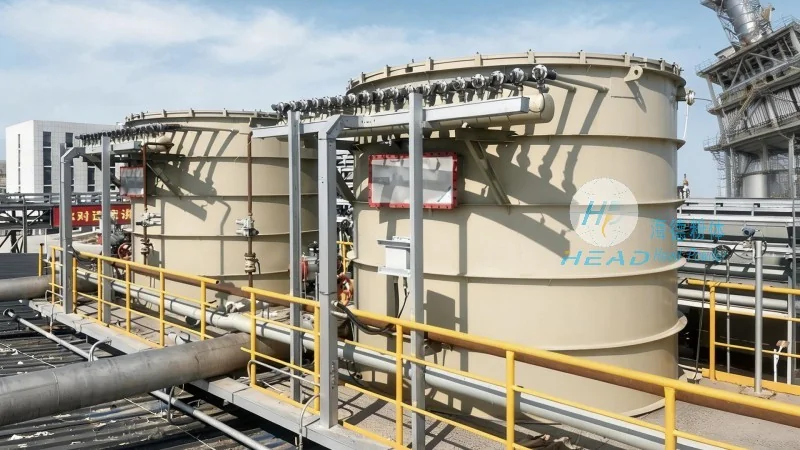
Thirdly, additive pneumatic conveying systems exhibit high flexibility and adaptability. They can be easily integrated into existing production facilities and configured to handle different types of additives, from fine powders to coarse granules. The modular design allows for adjustments in pipeline length, diameter, and number of branches, enabling customization to meet specific operational requirements. This flexibility also facilitates the expansion of production lines as business needs evolve.
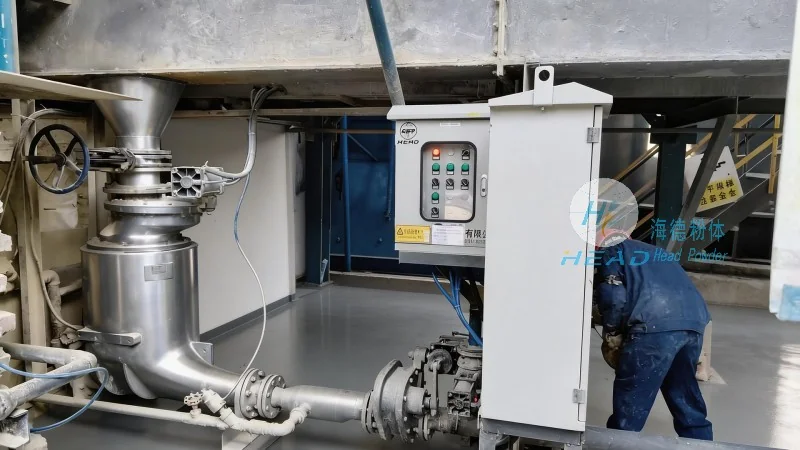
Furthermore, the systems are known for their low maintenance requirements and long service life. With fewer moving parts compared to mechanical conveyors, such as screw or chain conveyors, pneumatic systems experience less wear and tear, reducing downtime and maintenance costs. The use of robust materials, such as stainless steel for the pipeline and components, ensures durability and resistance to corrosion, especially when handling corrosive additives.
Conclusion
Shandong HeadPowder Engineering Co., Ltd. specializes in the design, manufacturing, and installation of additive pneumatic conveying systems, leveraging their expertise to deliver solutions tailored to the unique needs of each client. Based in Shandong, China, the company combines advanced technology with practical engineering to provide efficient, reliable, and safe material handling solutions. The working principle and features of these systems, as outlined above, highlight their effectiveness in improving operational efficiency, ensuring product quality, and enhancing workplace safety for industries relying on additives.