

Working Principle and Features of Powder Pneumatic Conveying Systems
For industrial applications requiring efficient and reliable transport of powders, pneumatic conveying systems have emerged as a critical solution. This article explores the working principle and key features of powder pneumatic conveying equipment, highlighting its advantages and practical applications in various industries. Developed by Shandong HeadPowder Engineering Co., Ltd., a leading manufacturer based in Shandong, China, these systems are designed to meet the diverse needs of modern manufacturing processes.
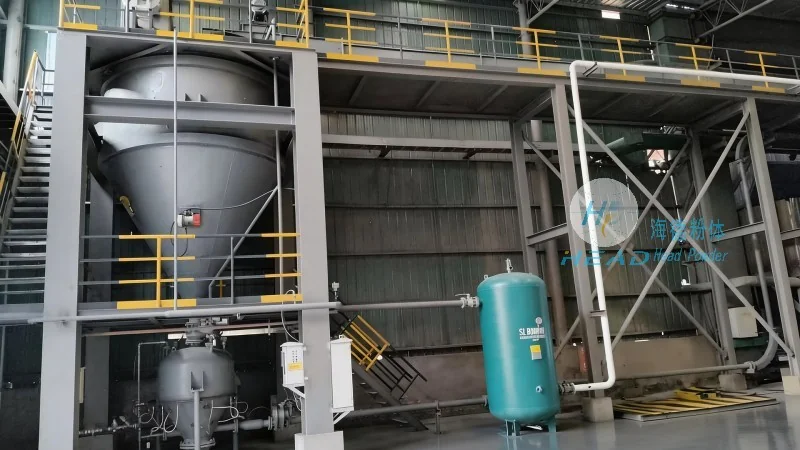
Introduction to Powder Pneumatic Conveying
Powder pneumatic conveying, also known as pneumatic powder transport, is a method of moving bulk powders through a pipeline using compressed air or other gas. Unlike mechanical conveying systems, which rely on physical components like belts or screws, pneumatic systems utilize the force of air to transport materials. This technology is widely used in sectors such as food processing, pharmaceuticals, chemicals, and minerals, where maintaining product integrity and preventing contamination is paramount. The enclosed design of these systems ensures that powders are protected from external factors, such as moisture and airborne contaminants, while also minimizing dust emissions and complying with environmental regulations.
The Working Principle of Powder Pneumatic Conveying
The core of a powder pneumatic conveying system lies in its ability to create a flow of air that carries the powder particles through the pipeline. The process typically involves several key components: a material feeder, a conveying line, a control system, and a discharge device. The material feeder introduces the powder into the system, while the conveying line transports it to the destination. The control system regulates the air pressure and flow rate to ensure optimal performance. The discharge device then releases the powder at the end of the line.
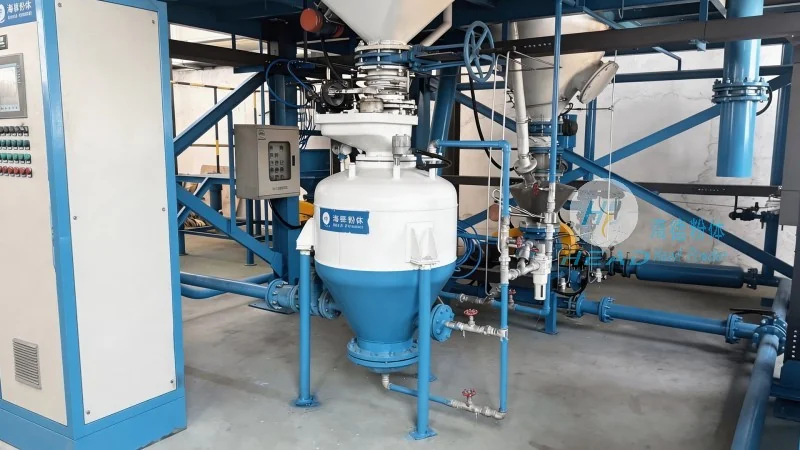
There are two main types of pneumatic conveying systems based on the direction of air flow relative to the powder: dilute-phase and dense-phase systems. Dilute-phase systems operate at higher air velocities, typically 20-30 m/s, and are suitable for short distances and low to medium powder loads. Dense-phase systems, on the other hand, use lower air velocities (5-15 m/s) and higher air-to-powder ratios, making them ideal for long-distance transport and handling of abrasive or sensitive materials. The choice between these systems depends on factors such as the distance to be covered, the powder characteristics, and the required flow rate. The working principle of a dilute-phase system involves the air being introduced at the inlet, creating a turbulent flow that lifts and transports the powder particles. The air velocity is high enough to keep the particles suspended, preventing them from settling in the pipeline. In contrast, dense-phase systems use a lower air velocity, which allows the powder to form a slurry-like mixture with the air. This reduces the risk of particle degradation and improves the system's efficiency for transporting materials over longer distances.
Key Features and Advantages of Powder Pneumatic Conveying Systems
Powder pneumatic conveying systems offer several distinct advantages that make them preferable to traditional mechanical conveying methods. First, they are highly flexible, as the pipeline can be easily reconfigured to accommodate changes in production processes or facility layouts. Second, these systems are completely enclosed, which helps prevent dust emissions and contamination, ensuring compliance with environmental regulations and maintaining product quality. Third, they are capable of handling a wide range of powder types, from fine powders like flour to coarse powders like cement, without the need for additional processing steps.
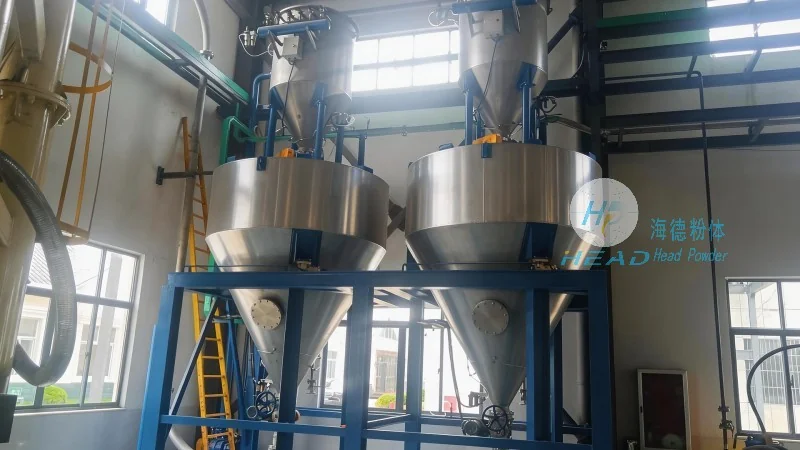
Another significant feature is the ability to integrate multiple conveying lines into a single system, allowing for the simultaneous transport of different materials or the mixing of powders at various stages. This integration enhances operational efficiency and reduces the overall footprint of the facility. Additionally, pneumatic conveying systems are relatively low maintenance compared to mechanical systems, as they have fewer moving parts and are less prone to wear and tear. The use of compressed air as the primary driving force also means that the system can be easily scaled up or down to meet changing production demands, providing a cost-effective solution for businesses.
Applications and Practical Considerations
The versatility of powder pneumatic conveying systems makes them suitable for a variety of applications. In the food industry, they are used to transport ingredients such as sugar, flour, and spices while maintaining hygiene standards. The enclosed design of the system prevents cross-contamination and ensures that the products remain fresh and free from dust. In pharmaceutical manufacturing, these systems are crucial for handling active pharmaceutical ingredients (APIs) and other sensitive powders, ensuring that the products remain pure and uncontaminated. The ability to control the air pressure and flow rate allows for precise dosing and mixing, which is essential in pharmaceutical production. In the chemical industry, they are employed to transport raw materials and finished products, such as powders used in paints and coatings. The system's ability to handle abrasive materials without causing wear to the pipeline makes it ideal for these applications.
When selecting a powder pneumatic conveying system, several factors must be considered. The first is the powder's physical properties, including particle size, density, and flowability. These characteristics determine the appropriate conveying system type and operating parameters. For example, fine powders with high moisture content may require a dense-phase system to prevent caking and blockages. The second is the distance and elevation changes required for transport, as these affect the energy consumption and system design. Longer distances and higher elevations may require more powerful compressors and larger air volumes. The third is the required flow rate and capacity, which must be matched to the production needs. Overdesigning the system can lead to unnecessary energy consumption and increased costs, while underdesigning may result in insufficient material transport. Finally, the environmental and safety regulations of the industry must be taken into account, as the system must be designed to minimize dust emissions and ensure worker safety. This includes features such as dust collection systems and explosion-proof components, which are essential in industries dealing with flammable or hazardous powders.