

Working Principle and Features of Bentonite Pneumatic Conveying Equipment
Understanding the working principle and features of bentonite pneumatic conveying equipment is crucial for industries that rely on efficient material handling solutions. This equipment is specifically designed to transport bentonite, a type of clay with high swelling properties, through a pneumatic system. The technology behind these machines ensures reliable and effective movement of the material, making them essential in various industrial applications.
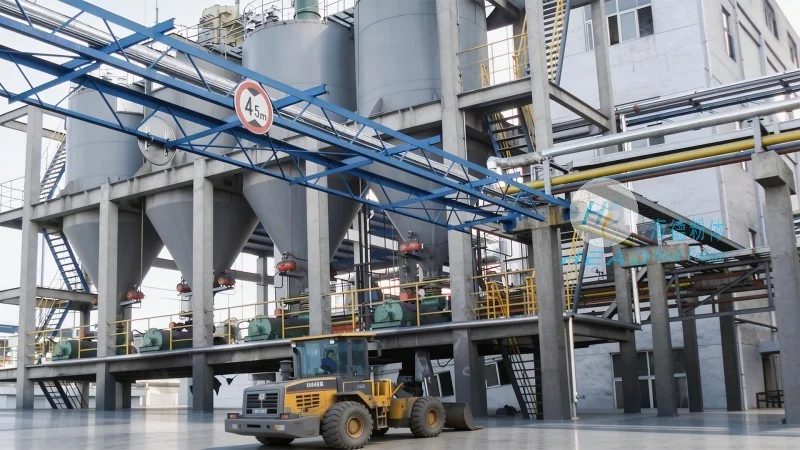
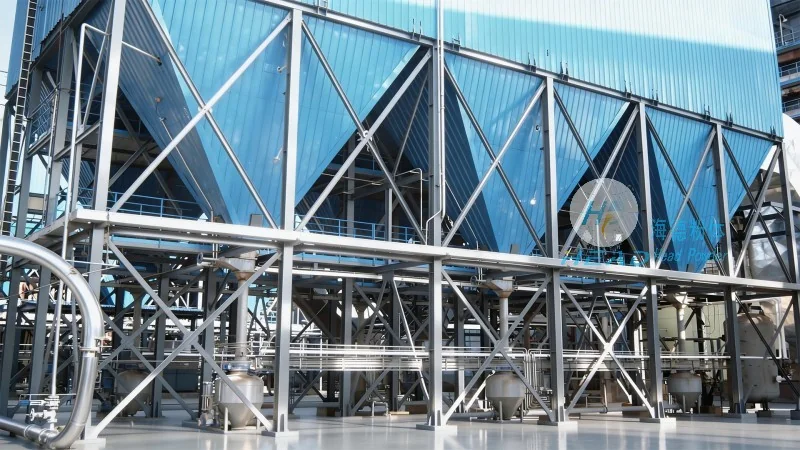
Working Principle of Bentonite Pneumatic Conveying Equipment
The operation of bentonite pneumatic conveying equipment is based on the principles of pneumatic transport, which utilizes air or gas to move bulk materials. In the case of bentonite, the system typically operates under positive pressure, where compressed air is used to create a flow that propels the material through the conveying line. The process begins with the material being fed into a hopper or feeder, where it is then mixed with air in a venturi or a similar device. The air-bentonite mixture is then forced through the pipeline to the destination point, such as a storage silo or processing unit. The system is equipped with components like air compressors, filters, and control valves to regulate the flow and ensure consistent performance. The design of the equipment allows for the handling of dry or slightly moist bentonite, adapting to different operational needs while maintaining efficiency.
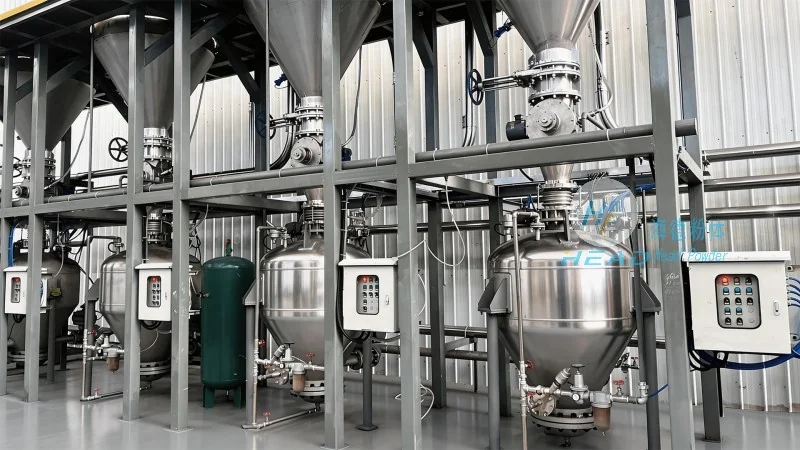
Key Features of Bentonite Pneumatic Conveying Equipment
Bentonite pneumatic conveying equipment from Shandong HeadPowder Engineering Co., Ltd. offers several distinct features that enhance its performance and usability. One of the primary features is its ability to handle the unique properties of bentonite, including its high moisture content and tendency to clump. The equipment is engineered with special materials and components that resist corrosion and wear, ensuring long-term durability. Another key feature is the system's flexibility in conveying distances, as it can be adjusted to accommodate various plant layouts and operational requirements. The control systems are user-friendly, allowing operators to monitor and adjust the flow rate, pressure, and other parameters with ease. Additionally, the equipment is designed for low maintenance, with easy access to components for routine checks and repairs. These features collectively contribute to the efficiency and reliability of the bentonite handling process, making it a preferred choice for industries that require consistent and high-quality material transport.
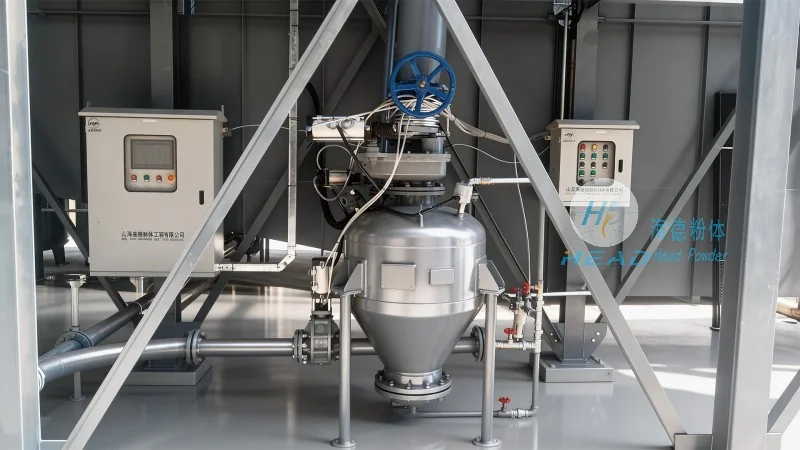
Application and Performance in Industrial Settings
The bentonite pneumatic conveying equipment from headpowder is widely used in industries such as mining, construction, and chemical processing, where bentonite is a critical raw material. The equipment's ability to handle large volumes of material efficiently reduces labor costs and improves production throughput. In mining operations, for example, bentonite is used as a flocculant in mineral processing, and the conveying system ensures that it is delivered to the processing plants without degradation. In construction, bentonite is used in soil stabilization projects, and the equipment facilitates the transport of the material to the job site. The performance of the equipment is measured by its conveying capacity, which can range from several tons per hour to higher capacities depending on the system design. The system's efficiency is also reflected in its energy consumption, which is optimized through advanced air compression and flow control technologies. Overall, the bentonite pneumatic conveying equipment from Shandong HeadPowder Engineering Co., Ltd. provides a reliable solution for material handling, meeting the demands of modern industrial operations.