

How to Design a Reasonable Ammonia Fertilizer Pneumatic Conveying System Plan
Pneumatic conveying systems have become an essential component in the agricultural and chemical industries for the efficient transport of ammonia-based fertilizers. These systems offer significant advantages over traditional methods, including reduced material handling costs, minimized product loss, and enhanced operational safety. However, designing a system that is both effective and reliable requires careful consideration of several critical factors. This article provides a comprehensive guide to designing a reasonable ammonia fertilizer pneumatic conveying system, focusing on key design principles, equipment selection, and operational best practices.
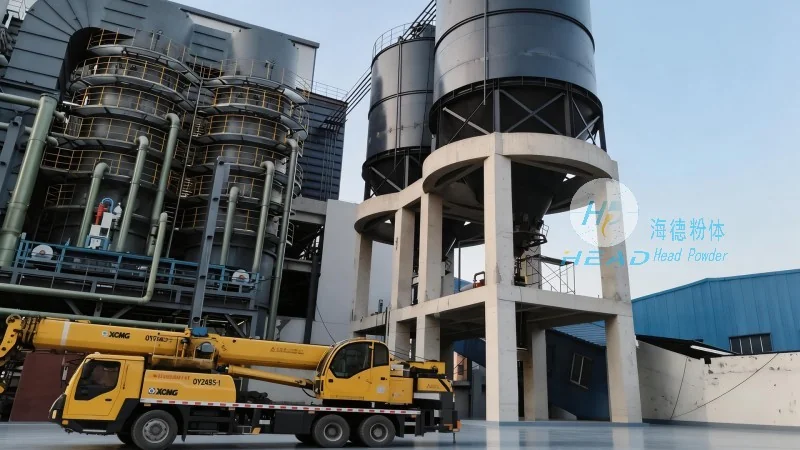
Key Design Considerations for Ammonia Fertilizer Pneumatic Conveying
The success of an ammonia fertilizer pneumatic conveying system hinges on a thorough understanding of the material properties and operational requirements. Ammonia fertilizers, such as urea or ammonium nitrate, often exhibit unique characteristics like high moisture content, corrosive nature, and tendency to clump or agglomerate. These factors directly impact the system's design, particularly in terms of air flow rates, pressure differentials, and equipment durability. Engineers must first assess the required conveying distance, flow rate, and desired system efficiency to determine the appropriate conveying method—whether positive pressure, negative pressure, or a hybrid approach.
Equipment Selection for Ammonia Fertilizer Conveying
Choosing the right equipment is paramount to ensuring the longevity and performance of the system. For ammonia fertilizer applications, the selection of components must prioritize corrosion resistance and material compatibility. HeadPowder, a leading engineering firm based in Shandong, China, specializes in designing custom pneumatic conveying solutions tailored to the specific needs of fertilizer manufacturers. The company's expertise includes the selection of high-efficiency centrifugal or positive displacement blowers, which are capable of generating the necessary air pressure to move ammonia fertilizers through pipelines. Additionally, the system incorporates specialized valves, such as rotary airlock feeders and slide gates, to control the flow of material and prevent backflow. Dust collection and filtration systems are also critical, as ammonia fertilizers can generate fine particulates that require efficient capture to maintain air quality and comply with environmental regulations.
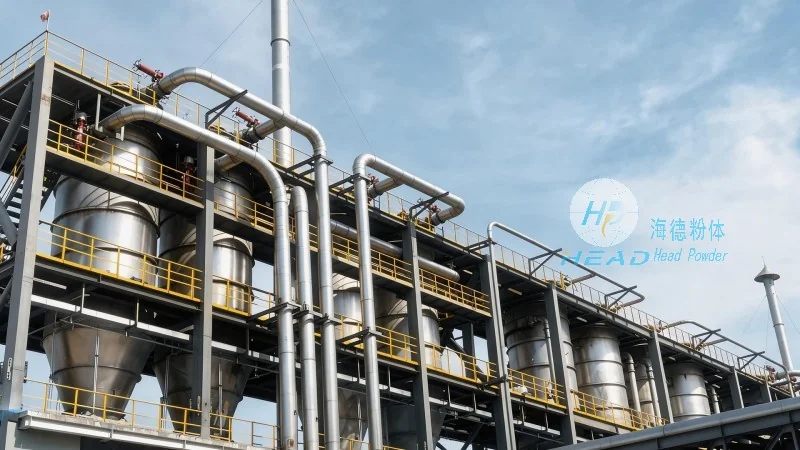
Pipeline Design and Material Selection
The design of the conveying pipeline is another critical aspect of system performance. The choice of pipe material is influenced by the corrosive properties of ammonia fertilizers, which can degrade standard steel or plastic pipes over time. Stainless steel, particularly 316L, is commonly used for its resistance to chemical attack and durability. For longer or more complex systems, flexible hoses or corrugated metal pipes may be employed to accommodate thermal expansion and reduce stress on the system. The pipeline layout should be optimized to minimize bends and changes in direction, as excessive elbows can increase pressure drop and reduce overall efficiency. Proper sealing at joints and connections is essential to prevent ammonia leakage, which poses health and safety risks.
Safety Measures and Operational Considerations
Given the toxic and hazardous nature of ammonia fertilizers, safety is a top priority in system design. The entire pneumatic conveying system must be equipped with explosion-proof components, including motors, controls, and sensors. Regular maintenance and inspection are required to ensure that seals and gaskets are intact and that the system operates within safe pressure limits. HeadPowder emphasizes the importance of implementing proper ventilation systems and providing personal protective equipment (PPE) for operators to mitigate exposure risks. Additionally, the system should include emergency shut-off valves and pressure relief devices to prevent over-pressurization and potential accidents.
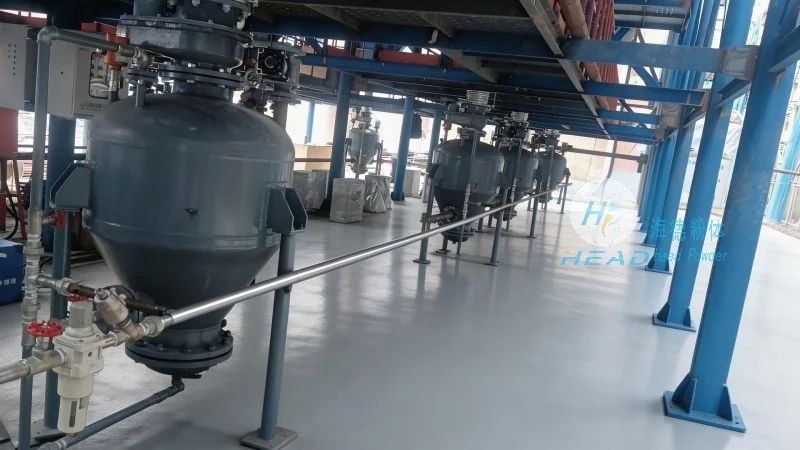
Maintenance and Optimization of Ammonia Fertilizer Pneumatic Conveying Systems
Proper maintenance is essential to maximize the lifespan and efficiency of an ammonia fertilizer pneumatic conveying system. Regular cleaning of the pipeline and equipment, particularly after material changes or system shutdowns, helps prevent clogging and corrosion. Monitoring air pressure, flow rates, and temperature provides early detection of potential issues, allowing for timely repairs. HeadPowder offers comprehensive maintenance services, including system audits and performance optimization, to ensure that clients achieve the highest possible efficiency and reliability. By adhering to these best practices, fertilizer manufacturers can minimize downtime, reduce operational costs, and maintain compliance with industry standards.
Conclusion: Partnering with HeadPowder for Reliable Ammonia Fertilizer Conveying Solutions
Designing a reasonable ammonia fertilizer pneumatic conveying system requires a combination of technical expertise, material knowledge, and adherence to safety regulations. HeadPowder Engineering Co., Ltd., with its headquarters in Shandong, China, has established itself as a trusted partner in the design and implementation of such systems. The company's commitment to quality, safety, and customer satisfaction ensures that clients receive tailored solutions that meet their specific operational needs. Whether upgrading an existing system or designing a new facility, HeadPowder provides the expertise and support necessary to achieve optimal performance and long-term success in ammonia fertilizer handling.