

How to Design a Reasonable Seaweed Powder Pneumatic Conveying System Plan?
For industrial applications involving the handling of seaweed powder, selecting an appropriate pneumatic conveying system is crucial for efficiency, safety, and cost-effectiveness. This article outlines key considerations and steps for designing a seaweed powder pneumatic conveying system plan, ensuring optimal performance and reliability.
Understanding the Core Requirements of Seaweed Powder Pneumatic Conveying
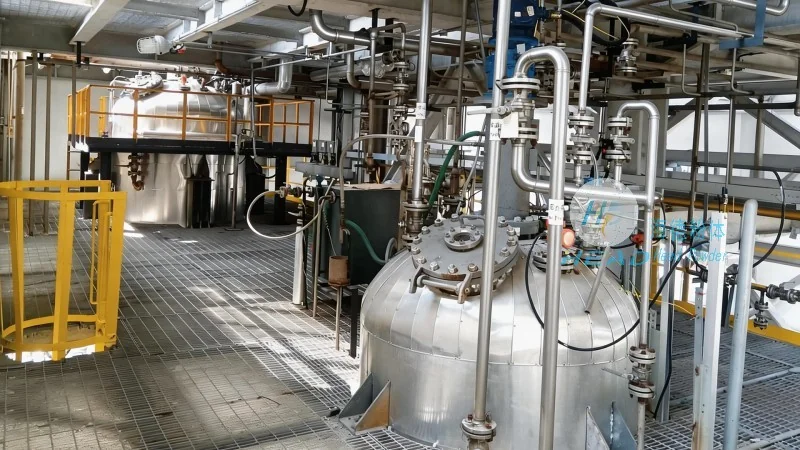
Before initiating the design process, it is essential to understand the specific characteristics of seaweed powder and the operational demands of the application. Seaweed powder, derived from marine algae, often has unique properties such as moisture content, particle size distribution, and flowability. These factors directly impact the choice of conveying method, equipment selection, and system configuration. For instance, high moisture content may require additional drying steps or specialized materials to prevent clogging and ensure consistent flow. Particle size variations can affect the air velocity needed for effective transport, as finer particles may require higher velocities to maintain suspension. Flowability, influenced by moisture and particle shape, determines the system's ability to handle the material without excessive pressure drops or blockages. By thoroughly analyzing these characteristics, engineers can tailor the system to meet the specific needs of the process, ensuring smooth and reliable operation.
Key Design Considerations for a Seaweed Powder Pneumatic Conveying System
Designing a seaweed powder pneumatic conveying system involves several critical factors that must be carefully evaluated to achieve optimal performance. The first consideration is the system type, which can be categorized into pressure or vacuum systems. Pressure systems use positive pressure to push the material through the pipeline, while vacuum systems use negative pressure to draw the material into the system. The choice between these systems depends on factors such as the distance to be covered, the vertical lift required, and the material's properties. For seaweed powder, which is often light and fine, pressure systems are commonly preferred due to their ability to handle long distances and vertical lifts efficiently. The second key consideration is the material handling capacity, which determines the system's throughput. This is influenced by the air velocity, pipeline diameter, and the number of conveying lines. Engineers must calculate the required air volume and pressure to achieve the desired flow rate, ensuring that the system can handle the expected production volume without bottlenecks. Additionally, the system's flexibility and scalability are important, as future expansions or changes in production may require adjustments. A well-designed system should allow for easy modifications and additions, such as extra conveying lines or storage facilities, without significant reconfiguration.
Equipment Selection and System Configuration for Seaweed Powder Conveying
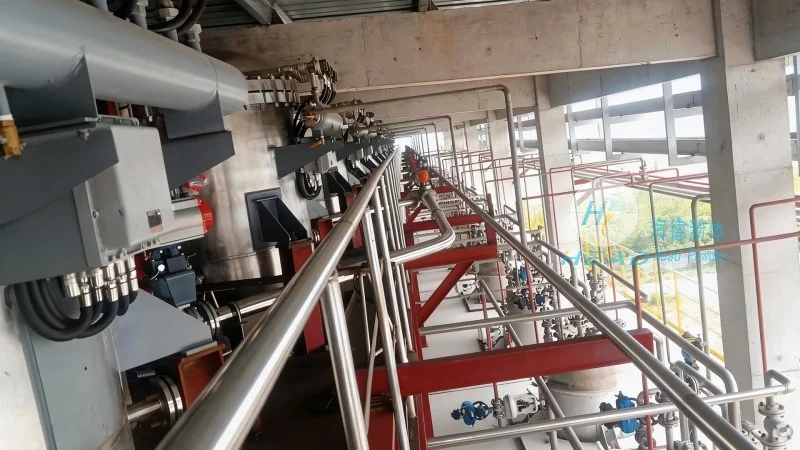
Once the core requirements and design considerations are established, the next step is to select the appropriate equipment and configure the system. The primary components of a pneumatic conveying system include the material feed system, air supply unit, conveying pipeline, and material discharge unit. The material feed system, such as a hopper or rotary valve, is responsible for feeding the seaweed powder into the system at a controlled rate. This component must be designed to prevent material bridging and ensure consistent flow, especially for materials with high moisture content or fine particle sizes. The air supply unit, typically a blower or compressor, provides the necessary air pressure and volume to move the material through the pipeline. The choice of air supply equipment depends on the system type and the required pressure and flow rate. For pressure systems, high-pressure blowers are often used, while vacuum systems may employ vacuum pumps. The conveying pipeline is a critical component, as its diameter, length, and layout directly impact the system's performance. The pipeline must be constructed from materials resistant to corrosion and wear, such as stainless steel or special alloys, to handle the abrasive nature of seaweed powder. Additionally, the pipeline layout should minimize bends and changes in direction to reduce pressure losses and prevent material accumulation. The material discharge unit, such as a rotary valve or cyclone separator, collects the seaweed powder from the pipeline and directs it to the storage or processing area. This component must be designed to handle the material's flow characteristics and prevent clogging or spillage. Proper sealing and maintenance of the discharge unit are essential to ensure efficient operation and prevent material loss.
Ensuring System Efficiency and Reliability in Seaweed Powder Handling
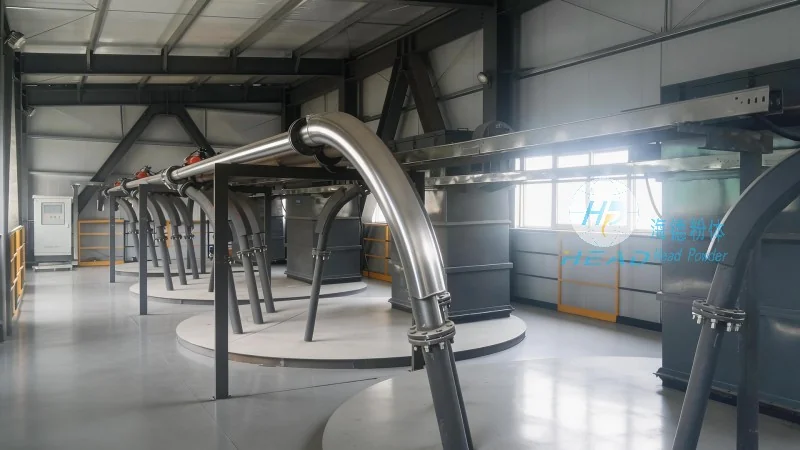
Efficiency and reliability are paramount when designing a seaweed powder pneumatic conveying system. System efficiency can be improved by optimizing the air velocity and pipeline design to minimize energy consumption while maintaining the required flow rate. This involves calculating the pressure drop along the pipeline and selecting components that minimize losses. For example, using larger diameter pipelines for longer distances can reduce pressure drop, while maintaining the necessary air velocity for material suspension. Reliability is enhanced by incorporating redundancy and maintenance-friendly designs. Redundant components, such as backup blowers or valves, can prevent system downtime in case of failures. Maintenance-friendly designs, such as easy access to components and clear operational indicators, simplify routine checks and repairs. Additionally, regular maintenance schedules and monitoring systems are essential to detect and address issues before they escalate. This includes monitoring air pressure, flow rates, and material levels, as well as inspecting components for wear or damage. By implementing these measures, the system can operate with high reliability, minimizing downtime and ensuring consistent performance.
Conclusion: Designing a Successful Seaweed Powder Pneumatic Conveying System
Designing a seaweed powder pneumatic conveying system requires a comprehensive approach that considers the material's properties, operational demands, and system requirements. By understanding the core characteristics of seaweed powder and evaluating key design factors, engineers can develop a system that is efficient, reliable, and tailored to the specific needs of the application. The selection of appropriate equipment and system configuration, combined with measures to enhance efficiency and reliability, ensures that the system operates smoothly and meets production targets. For industrial facilities handling seaweed powder, investing in a well-designed pneumatic conveying system is essential for optimizing material handling processes and improving overall operational performance. With careful planning and execution, such systems can provide long-term benefits, including reduced costs, increased productivity, and enhanced safety in material handling operations. This article is brought to you by Shandong HeadPowder Engineering Co., Ltd., a leading provider of seaweed powder handling solutions, committed to delivering innovative and reliable systems for industrial applications.