

How to Design a Reasonable Glass Powder Pneumatic Conveying System Plan?
When it comes to handling glass powder efficiently and safely, the design of a pneumatic conveying system is a critical factor. A well-designed system not only ensures the smooth and reliable transport of glass powder but also minimizes operational costs and reduces the risk of material loss or equipment damage. This article will explore the key considerations and steps involved in designing a reasonable glass powder pneumatic conveying system, with a focus on practical solutions that can be implemented by professionals in the field.
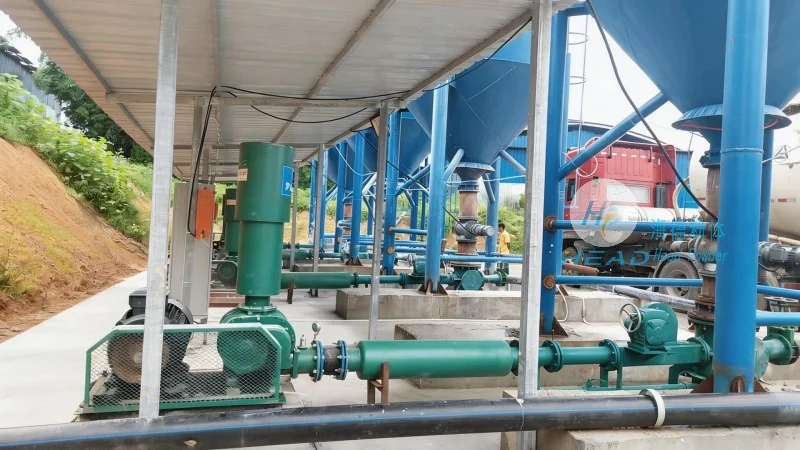
Understanding the Core Components of a Glass Powder Pneumatic Conveying System
A pneumatic conveying system for glass powder typically consists of several key components, each playing a vital role in the overall operation. The primary components include the material feed hopper, the conveying line (pipes and fittings), the air source system (air compressor and air treatment equipment), the conveying equipment (such as rotary airlocks or pressure vessels), and the separation and collection equipment (like cyclones or filters). Each of these components must be carefully selected and integrated to ensure the system operates efficiently and meets the specific requirements of the glass powder being handled.
Choosing the Right Pneumatic Conveying System Type
There are two main types of pneumatic conveying systems commonly used for glass powder: positive pressure systems and negative pressure systems. Positive pressure systems, also known as pressure conveying systems, use an air compressor to generate pressure and push the material through the conveying line. This type is often preferred for long-distance or high-capacity applications, as it can handle larger quantities of material and is less prone to blockages. Negative pressure systems, or vacuum conveying systems, use a vacuum pump to create a vacuum and draw the material into the conveying line. This type is typically used for shorter distances or when handling fine powders that are prone to dusting. The choice between these two systems depends on factors such as the distance between the source and destination, the material's properties (e.g., particle size, moisture content, and flowability), and the required capacity.
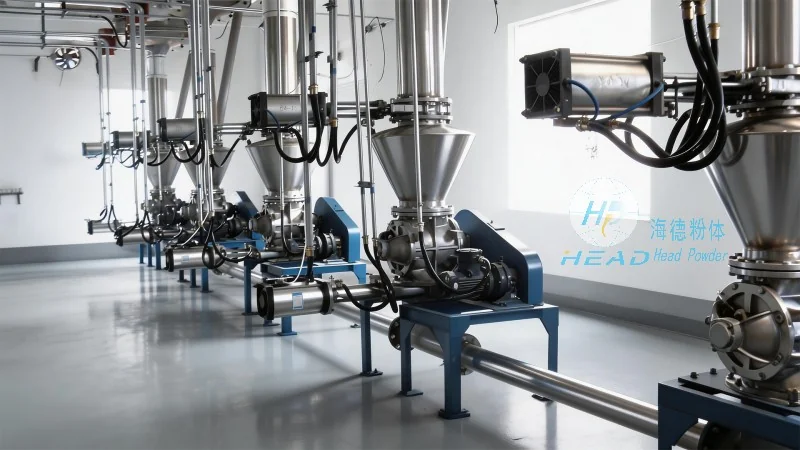
Equipment Selection for Glass Powder Pneumatic Conveying
For a glass powder pneumatic conveying system, the selection of appropriate equipment is crucial. The material feed hopper should be designed to prevent material bridging and ensure a consistent feed rate. Rotary airlocks are commonly used to control the flow of glass powder from the hopper into the conveying line, preventing backflow and maintaining system pressure. The conveying line itself should be made of materials that are resistant to corrosion and wear, such as stainless steel or PVC, to withstand the abrasive nature of glass powder. The air source system, including the air compressor and air treatment equipment (filters, dryers, and regulators), must be capable of providing clean, dry air to prevent contamination of the glass powder and ensure the longevity of the system components. Separation and collection equipment, such as cyclones or bag filters, are essential for removing glass powder from the air stream and preventing dust emissions.
Designing the Conveying Line and Piping System
The design of the conveying line and piping system is a critical aspect of a glass powder pneumatic conveying system. The pipe diameter is a key factor, as it affects the system's capacity and pressure drop. Larger pipe diameters are generally used for higher capacities and longer distances, while smaller diameters are suitable for shorter distances or lower capacities. The use of smooth, straight pipes with minimal bends and fittings is recommended to reduce pressure losses and prevent material buildup. Elbows and other fittings should be selected with care, as sharp angles can cause material to impact the pipe walls and lead to wear or blockages. The system should also include pressure relief valves and check valves to protect the equipment from overpressure and backflow, respectively.
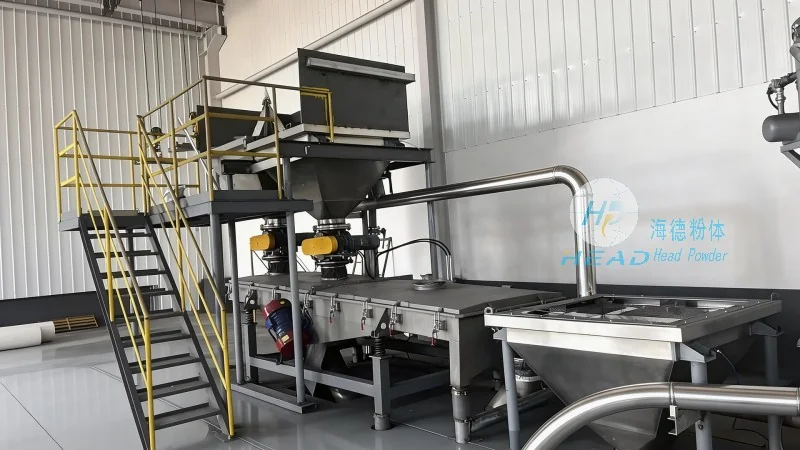
Considerations for Air Source and Filtration
The air source system is a critical component of any pneumatic conveying system, as it directly impacts the system's performance and longevity. Air compressors should be selected based on the required air flow rate and pressure. Centrifugal compressors are often used for large-scale systems due to their high capacity and efficiency, while reciprocating compressors are suitable for smaller systems. Air treatment equipment, including filters, dryers, and regulators, is essential to remove contaminants from the air and maintain consistent pressure and temperature. This helps prevent the contamination of glass powder and reduces the risk of equipment failure due to moisture or dust buildup.
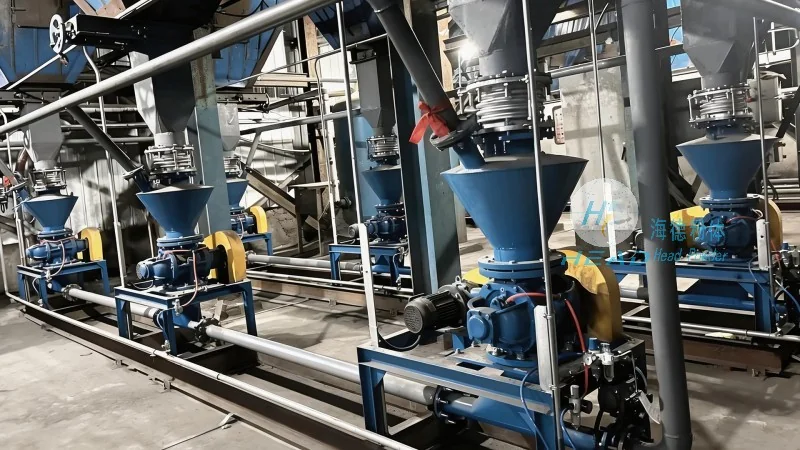
System Maintenance and Troubleshooting
Regular maintenance is essential to ensure the long-term performance and reliability of a glass powder pneumatic conveying system. This includes cleaning the conveying line and equipment, replacing worn parts, and checking the air source system for proper operation. Common issues that may arise include blockages, pressure drops, and dust emissions, which can be addressed through proper maintenance and troubleshooting. By following a regular maintenance schedule and addressing issues promptly, the system can operate efficiently and minimize downtime.
About Shandong HeadPowder Engineering Co., Ltd.
Shandong HeadPowder Engineering Co., Ltd., commonly known as HeadPowder, is a professional engineering company specializing in the design and manufacturing of pneumatic conveying systems for various industrial applications. With years of experience in the industry, HeadPowder has developed a deep understanding of the unique challenges associated with handling glass powder and other fine materials. The company's team of experts provides comprehensive solutions, from system design and equipment selection to installation and maintenance, ensuring that clients receive systems that are tailored to their specific needs and operational requirements. HeadPowder's commitment to quality and customer satisfaction has made it a trusted partner for businesses in the glass and related industries.