

How to Design a Reasonable Tungsten Carbide Pneumatic Conveying System Plan?
When it comes to handling tungsten carbide materials, the efficiency and reliability of a pneumatic conveying system are paramount. A well-designed system not only ensures smooth material transport but also minimizes operational costs and maintenance requirements. This article provides a comprehensive guide on how to design a reasonable tungsten carbide pneumatic conveying system, with insights from Shandong HeadPowder Engineering Co., Ltd., a leading provider in the field.
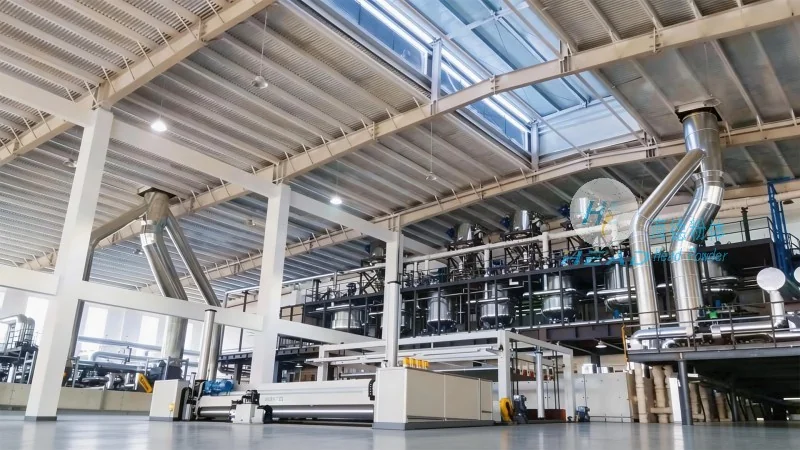
Understanding the Core Requirements for Tungsten Carbide Pneumatic Conveying
Before diving into the design process, it's crucial to understand the unique characteristics of tungsten carbide. This material is known for its high density, abrasive nature, and potential for generating dust. These properties directly impact the selection of system components, such as the type of air mover, material handling equipment, and piping. The goal is to create a system that can handle these challenges effectively while maintaining operational efficiency.
Key Design Factors to Consider
Several critical factors must be considered when designing a tungsten carbide pneumatic conveying system. These include the material's bulk density, flowability, and particle size distribution. The system's capacity, which refers to the amount of material to be conveyed per hour, is another key parameter. Additionally, the distance and elevation changes between the loading and unloading points are essential considerations. Shandong HeadPowder Engineering Co., Ltd. emphasizes the importance of conducting thorough material testing to gather accurate data on these properties before proceeding with the design.
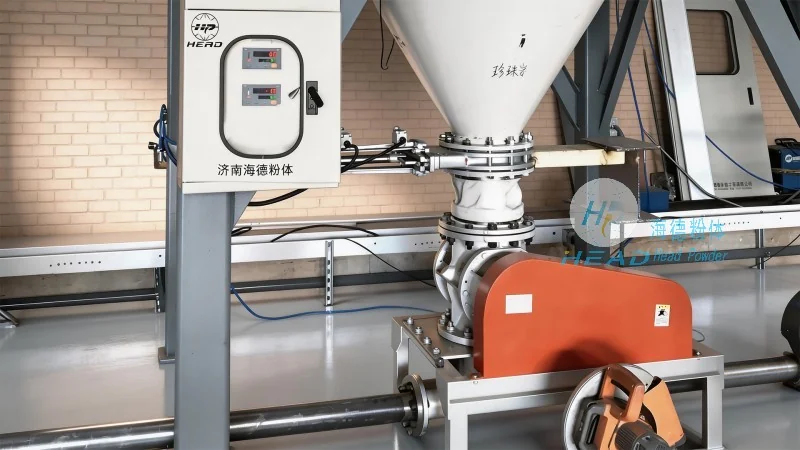
Choosing the Right Pneumatic Conveying Technology
There are two primary types of pneumatic conveying systems: dilute phase and dense phase. Dilute phase systems use high-velocity air to transport particles in a suspended state, while dense phase systems use lower air velocities and higher pressure to move material in a slurry-like state. For tungsten carbide, which is abrasive and can cause wear on system components, a dense phase system is often preferred as it reduces particle impact and wear on pipes and valves. Shandong HeadPowder Engineering Co., Ltd. recommends evaluating both options based on the specific application requirements and material characteristics.
System Components and Their Selection
A typical tungsten carbide pneumatic conveying system consists of several key components. The air mover, which can be a rotary lobe blower or a positive displacement blower, provides the necessary air pressure and flow. The material feeder, such as a rotary valve or a screw feeder, controls the material flow into the system. The conveying line, made of materials resistant to abrasion like stainless steel or specialized alloys, ensures the material is transported efficiently. The system also includes filters and dust collectors to capture any airborne particles and protect the environment. Shandong HeadPowder Engineering Co., Ltd. specializes in selecting and integrating these components to ensure optimal performance and longevity.
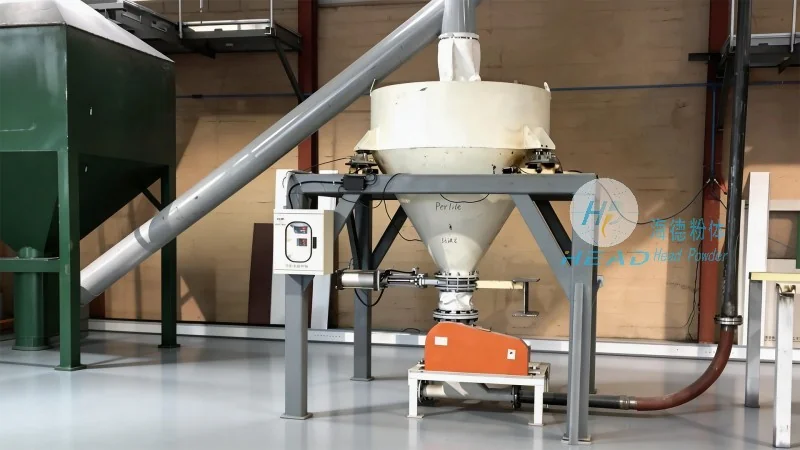
Designing for Efficiency and Durability
Efficiency in a tungsten carbide pneumatic conveying system is achieved through proper sizing of components and minimizing pressure losses. The air mover must be sized to provide sufficient pressure to overcome the system's resistance and lift the material to the desired height. The conveying line diameter and length are critical factors that affect pressure drop and material velocity. Additionally, the system's durability is enhanced by using wear-resistant materials for components that come into contact with the abrasive tungsten carbide particles. Shandong HeadPowder Engineering Co., Ltd. employs advanced engineering techniques and material selection to ensure that the designed system meets both efficiency and durability standards.
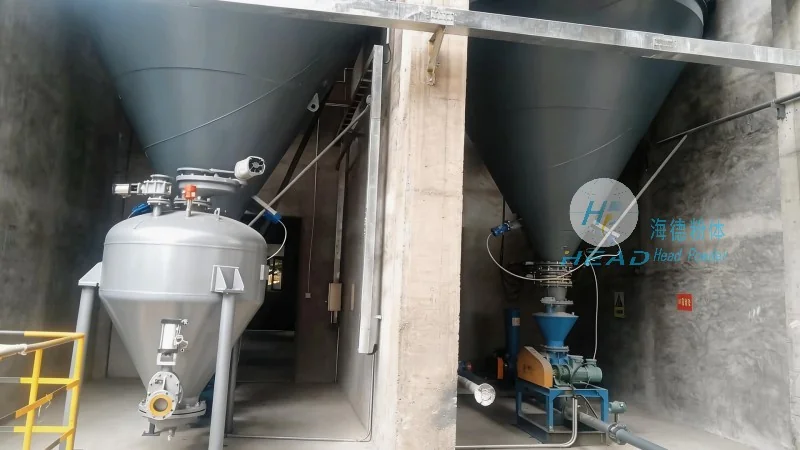
Implementation and Maintenance Considerations
Once the design is finalized, the implementation phase involves installing and commissioning the system. This includes proper alignment of components, checking for air leaks, and verifying material flow. Regular maintenance is essential to keep the system running smoothly. This includes cleaning filters, inspecting wear parts, and monitoring air pressure and flow rates. Shandong HeadPowder Engineering Co., Ltd. offers comprehensive maintenance services to ensure the system's long-term performance and reliability.
Conclusion
Designing a reasonable tungsten carbide pneumatic conveying system requires a thorough understanding of the material's properties and careful consideration of system components. By following the guidelines outlined above and leveraging the expertise of companies like Shandong HeadPowder Engineering Co., Ltd., businesses can achieve efficient and reliable material handling solutions. The key is to balance efficiency with durability, ensuring that the system can handle the abrasive nature of tungsten carbide while minimizing operational costs and downtime.