

How to Design a Reasonable Styrene Pneumatic Conveying System Plan?
When it comes to designing an effective and reliable pneumatic conveying system for styrene, a comprehensive approach is essential to ensure optimal performance, safety, and cost-efficiency. Styrene, a key chemical used in the production of plastics and resins, requires specialized handling due to its properties and the operational demands of industrial processes. A well-designed system not only enhances material flow but also minimizes risks associated with dust, pressure, and material degradation.
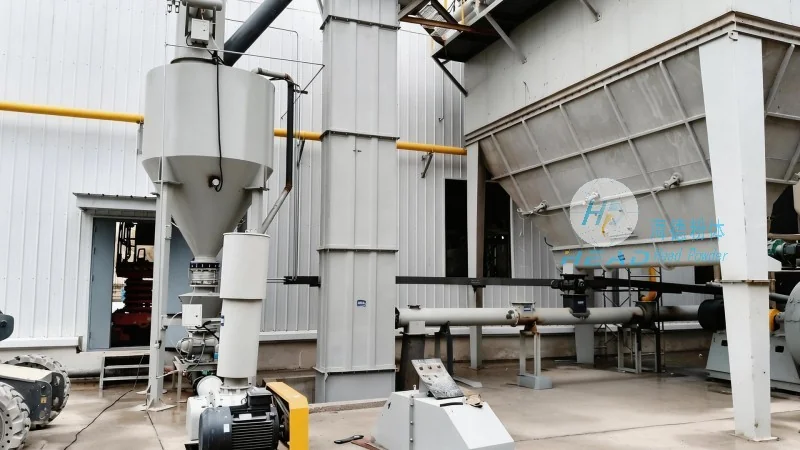
Key Considerations in Styrene Pneumatic Conveying System Design
Designing a pneumatic conveying system for styrene involves several critical factors that must be carefully evaluated. The first consideration is the material's physical properties, such as particle size, density, and moisture content. These characteristics influence the selection of the conveying method—whether it's a pressure or vacuum system—and the appropriate equipment like cyclones, filters, and pumps. For styrene, which often exists as a fine powder or granules, a pressure system is commonly preferred due to its ability to handle high volumes and maintain consistent flow rates.
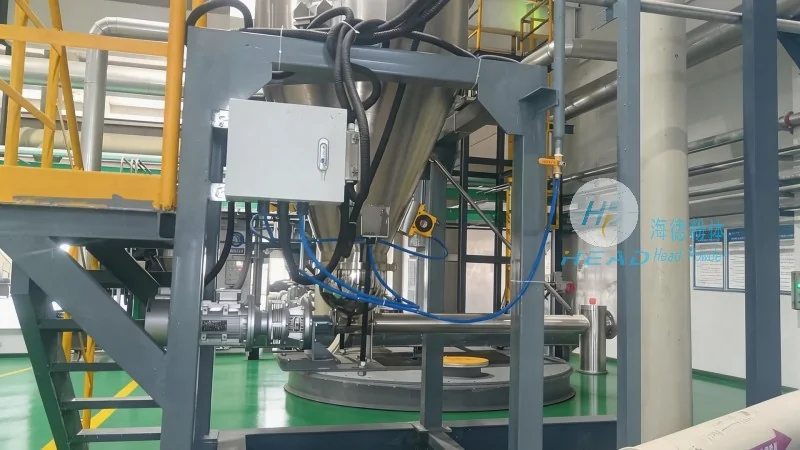
System Components and Their Roles
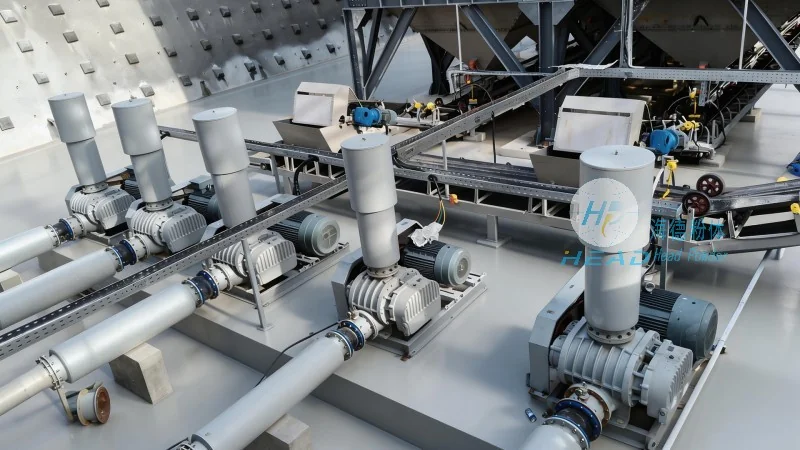
A typical styrene pneumatic conveying system consists of several key components, each playing a vital role in the overall operation. The system typically includes a material feed hopper, which stores and feeds the styrene into the conveying line. A positive displacement blower or compressor provides the necessary air pressure to move the material through the pipeline. The conveying line itself is made of materials resistant to chemical corrosion, such as stainless steel or specialized plastics, to prevent degradation from styrene's properties. At the receiving end, cyclone separators and filters are used to separate the conveyed material from the air stream, ensuring clean material collection and preventing dust emissions.
Designing for Safety and Efficiency
Ensuring safety is paramount in styrene handling, as the material can be flammable and produce dust that poses explosion risks. Therefore, the system design must incorporate safety features like explosion-proof components, proper ventilation, and dust collection systems. Additionally, efficiency is achieved through proper sizing of the blower, pipeline diameter, and the use of efficient separation equipment. Proper maintenance and monitoring of the system are also crucial to maintain performance and prevent downtime.
About Shandong HeadPowder Engineering Co., Ltd.
Shandong HeadPowder Engineering Co., Ltd., operating under the brand name headpowder, specializes in the design and manufacturing of advanced pneumatic conveying systems for various industrial applications. With a focus on precision engineering and customer-specific solutions, the company provides tailored systems that meet the unique requirements of styrene handling. HeadPowder's expertise in material handling technology ensures that their systems are reliable, efficient, and compliant with industry standards. The company's headquarters is located in Shandong, China, where they leverage local resources and expertise to deliver high-quality engineering solutions.