

How to Design a Reasonable Mineral Sand Pneumatic Conveying System Plan
When it comes to the efficient and reliable transportation of mineral sands, the design of a pneumatic conveying system is a critical factor that can significantly impact operational efficiency and cost-effectiveness. A well-designed system not only ensures the safe and effective movement of materials but also minimizes downtime and maintenance costs. This article will explore the key considerations and steps involved in designing a reasonable mineral sand pneumatic conveying system plan, with a focus on the expertise and solutions offered by Shandong HeadPowder Engineering Co., Ltd., a leading provider in the field.
Understanding the Core Principles of Pneumatic Conveying Systems
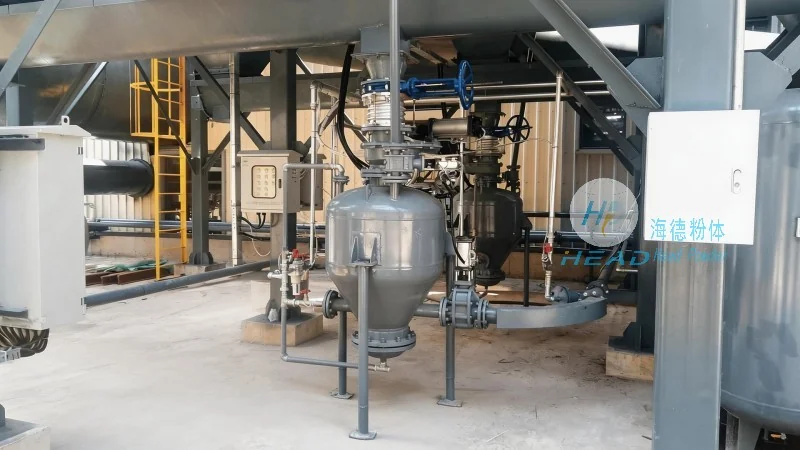
Pneumatic conveying systems utilize air or gas to transport bulk materials like mineral sands through a network of pipes. The primary goal is to move materials from a source to a destination without the need for mechanical components like belts or buckets. There are two main types of pneumatic conveying systems: positive pressure and negative pressure. Positive pressure systems push the material through the system using a blower or compressor, while negative pressure systems draw the material in using a vacuum pump. The choice between these systems depends on factors such as the distance, material characteristics, and the need for dust control. For mineral sands, which often have a high density and abrasive properties, selecting the appropriate system type is crucial to prevent system wear and ensure long-term performance.
Key Design Considerations for Mineral Sand Pneumatic Conveying
Designing a pneumatic conveying system for mineral sands requires a comprehensive approach that addresses several key aspects. First, the material characteristics must be thoroughly analyzed. Mineral sands can vary in particle size, density, and moisture content, all of which affect the system's performance. For example, finer particles may require higher air velocities to prevent clogging, while larger, heavier particles may need more robust equipment to handle the increased load. Additionally, the abrasive nature of mineral sands necessitates the use of high-quality materials for components such as pipes, valves, and pumps to ensure durability and reduce maintenance frequency.
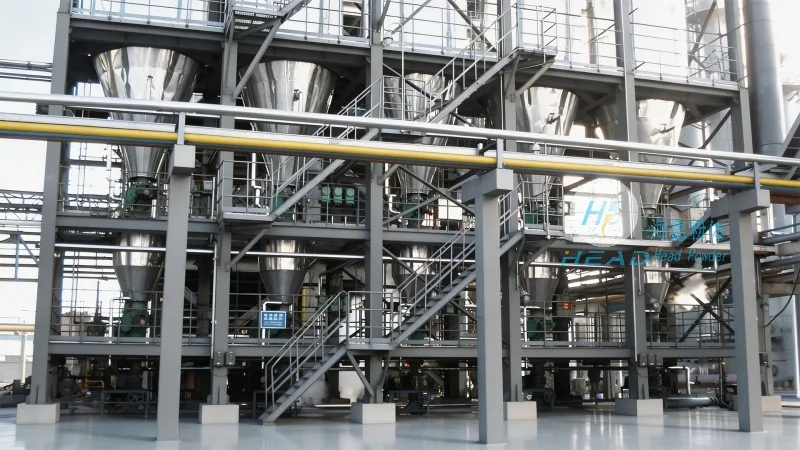
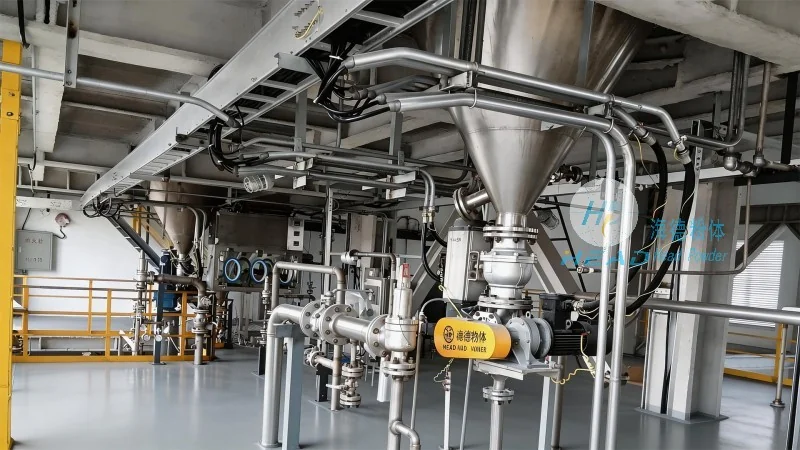
Second, the system layout and pipe network design are critical. The layout should minimize the number of bends and changes in direction to reduce pressure losses and prevent material accumulation. Properly sized pipes and elbows are essential to maintain the required air velocity and prevent blockages. The system should also include appropriate dust collection and filtration systems to comply with environmental regulations and maintain air quality. For industrial applications, the integration of safety features such as pressure relief valves and emergency shut-off mechanisms is also necessary to protect personnel and equipment.
HeadPowder's Expertise in Customized Pneumatic Conveying Solutions
Shandong HeadPowder Engineering Co., Ltd., commonly known as HeadPowder, is a professional engineering company based in Shandong, China, specializing in the design, manufacturing, and installation of pneumatic conveying systems for various industries, including mining and mineral processing. With years of experience and a team of skilled engineers, HeadPowder offers tailored solutions that address the unique challenges of mineral sand transportation. The company's approach involves a detailed analysis of the client's specific requirements, including the type and quantity of material, the distance to be conveyed, and the operational environment.
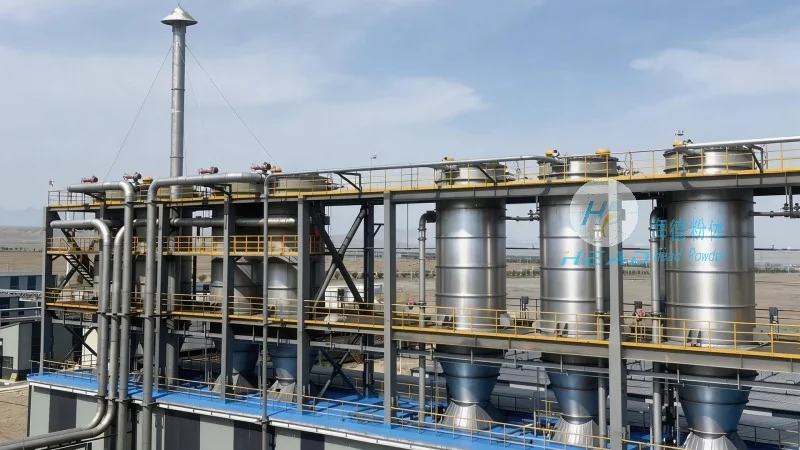
HeadPowder's engineers work closely with clients to develop a customized system design that optimizes performance and cost. This includes selecting the appropriate system type (positive or negative pressure), determining the optimal air velocity and pressure, and specifying the right equipment components. The company uses advanced software and simulation tools to model the system and predict its behavior under different operating conditions, ensuring that the final design meets all performance and safety standards. HeadPowder also provides comprehensive after-sales support, including maintenance services and spare parts supply, to ensure the long-term reliability of the system.
Conclusion: Achieving Efficient and Reliable Mineral Sand Conveying
Designing a reasonable mineral sand pneumatic conveying system plan is a complex process that requires a deep understanding of material properties, system dynamics, and engineering principles. By following a systematic approach and leveraging the expertise of experienced providers like Shandong HeadPowder Engineering Co., Ltd., industries can achieve efficient, reliable, and cost-effective material transportation. The key is to balance the system's performance with its operational and maintenance costs, ensuring that it meets the specific needs of the application while adhering to safety and environmental regulations. With the right design and implementation, pneumatic conveying systems can significantly enhance the productivity and sustainability of mineral sand processing operations.