

[WTTLE]Working Principle and Features of Industrial Alkali Powder Conveying Lines
Industrial alkali powder conveying lines are essential components in various industrial processes, particularly in sectors that handle caustic materials such as sodium hydroxide, potassium hydroxide, and other alkaline compounds. These systems are designed to transport powders efficiently and safely, ensuring minimal material loss and maintaining product integrity throughout the process. The effectiveness of these lines directly impacts production efficiency, operational safety, and overall cost management in industrial settings.
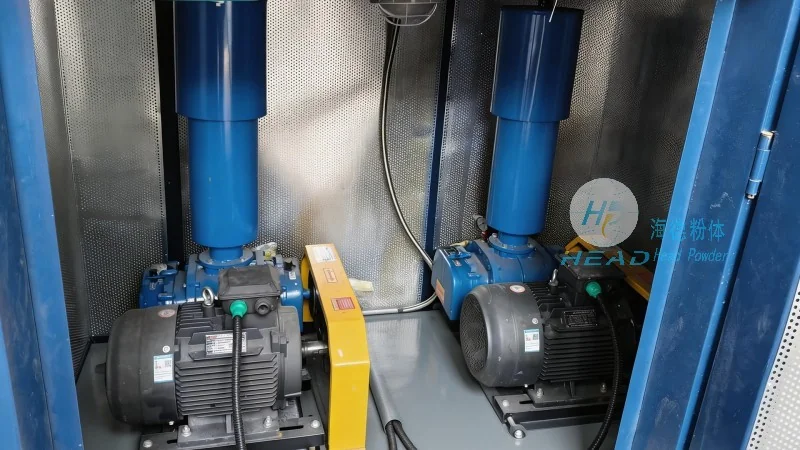
The Working Principle of Industrial Alkali Powder Conveying Lines
Industrial alkali powder conveying lines typically operate through a combination of mechanical and pneumatic systems, tailored to the specific properties of the powder being handled. The core components include feed hoppers, conveying mechanisms (like screw conveyors, pneumatic ducts, or bucket elevators), and control systems. The process begins with the powder being fed into the hopper, where it is then transferred to the conveying device. For mechanical systems, a rotating screw or auger moves the powder along a tube or trough, while pneumatic systems use compressed air to create a flow, propelling the powder through ducts. The control system monitors and regulates the flow rate, pressure, and other parameters to ensure smooth operation and prevent blockages or overloading.
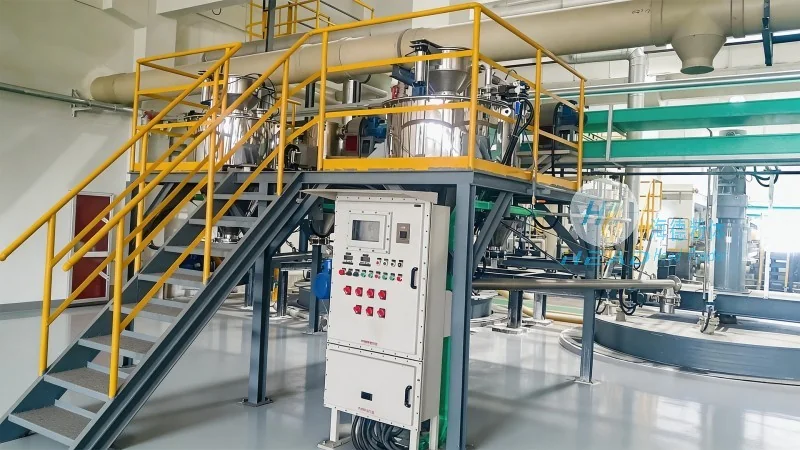
Key Features of Industrial Alkali Powder Conveying Lines
HeadPowder Engineering Co., Ltd., a leading manufacturer based in Shandong, China, specializes in designing and manufacturing high-quality industrial alkali powder conveying lines. The features of these systems are tailored to meet the demanding requirements of industrial applications, including:
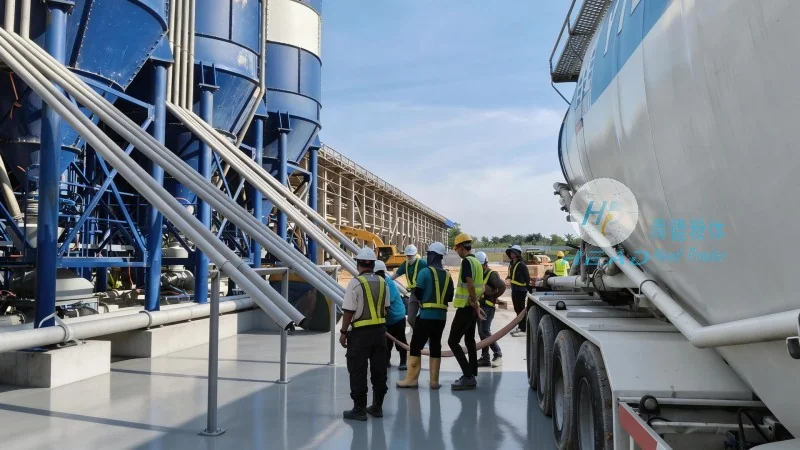
- Efficiency and Capacity: Optimized designs ensure high throughput with minimal energy consumption, supporting continuous production operations.
- Material Compatibility: Constructed from corrosion-resistant materials (such as stainless steel, PTFE, or specialized alloys) to withstand the chemical properties of alkali powders, preventing degradation or contamination.
- Safety and Reliability: Advanced safety features, including overfill protection, pressure relief valves, and emergency shut-off mechanisms, minimize the risk of accidents and ensure consistent performance.
- Customization and Flexibility: Systems can be customized to accommodate different powder types, sizes, and processing requirements, adapting to evolving production needs.
How HeadPowder Engineering Co., Ltd. Enhances Industrial Conveying Solutions
HeadPowder Engineering Co., Ltd. leverages years of experience in the powder handling industry to deliver tailored conveying solutions for industrial alkali applications. With a focus on innovation and quality, the company’s products are engineered to meet stringent industry standards and customer specifications. The company’s facilities in Shandong, China, are equipped with advanced manufacturing technologies and quality control processes, ensuring each system is built to last and perform reliably under demanding conditions.
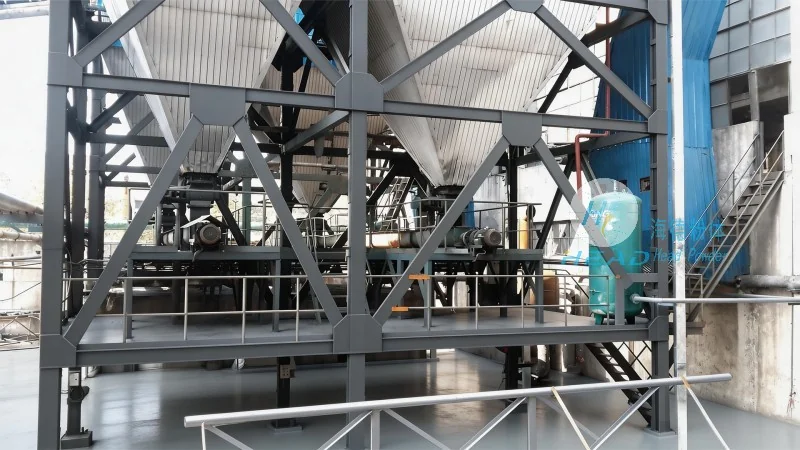
Conclusion: The Importance of Reliable Alkali Powder Conveying Systems
In conclusion, industrial alkali powder conveying lines are critical for maintaining operational efficiency and safety in industries that handle caustic materials. The working principles and features of these systems, as exemplified by HeadPowder Engineering Co., Ltd., demonstrate the importance of specialized design and engineering in optimizing powder handling processes. By investing in high-quality conveying systems, industrial facilities can enhance productivity, reduce downtime, and ensure compliance with safety regulations, ultimately contributing to long-term success in their respective markets.