

Working Principle and Features of Limestone Powder Conveying Lines
Limestone powder conveying lines are essential equipment in various industrial applications, particularly in the mining, construction, and chemical sectors. These systems are designed to transport limestone powder efficiently and safely from one location to another. The primary function of such lines is to ensure the smooth and continuous movement of limestone powder, which is a crucial raw material in many manufacturing processes. In this article, we will explore the working principle and key features of limestone powder conveying lines, providing a comprehensive understanding of their operation and benefits.
Working Principle of Limestone Powder Conveying Lines
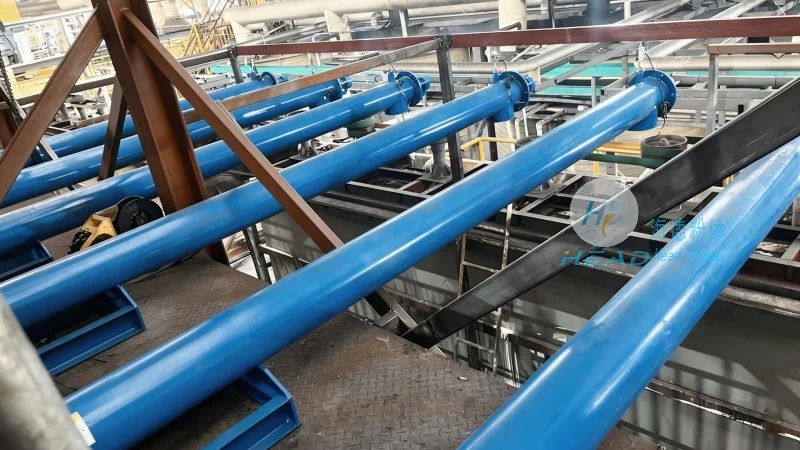
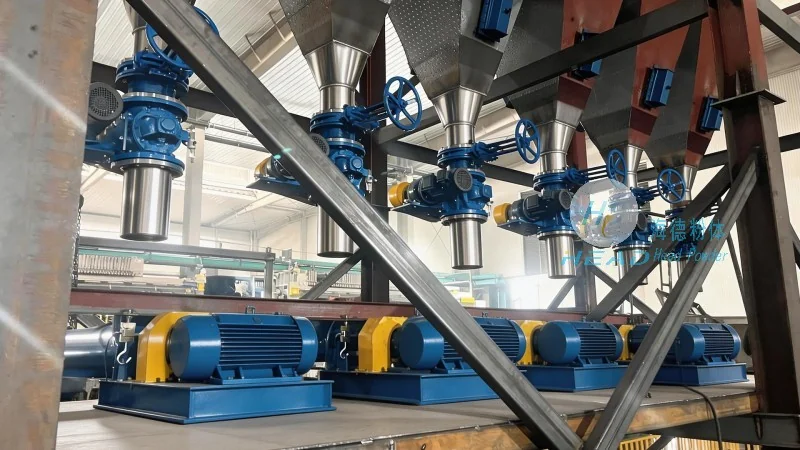
The working principle of limestone powder conveying lines typically involves several key components and mechanisms that work in tandem to achieve efficient material transport. The process begins with the loading of limestone powder into a hopper or storage silo. From there, the powder is fed into a conveyor system, which may include screw conveyors, pneumatic conveyors, or belt conveyors, depending on the specific design and application requirements. The choice of conveyor type is critical as it directly impacts the efficiency and reliability of the system.
For instance, pneumatic conveying systems use air pressure to move limestone powder through a pipeline. This method is particularly effective for handling fine powders and can cover longer distances with minimal maintenance. In contrast, screw conveyors are more suitable for bulk materials and are often used in horizontal or slightly inclined applications. Belt conveyors, on the other hand, are versatile and can handle a wide range of material types, including limestone powder, with high capacity and durability.
Once the limestone powder is in the conveyor system, it is transported to the destination point, such as a processing plant or storage area. The system may include control mechanisms to regulate the flow rate and pressure, ensuring that the powder is delivered at the desired speed and quantity. Additionally, some conveying lines incorporate dust collection and filtration systems to maintain air quality and prevent environmental contamination.
Key Features of Limestone Powder Conveying Lines
Limestone powder conveying lines offer several distinct features that make them advantageous in industrial settings. One of the most notable features is their ability to handle fine and abrasive materials like limestone powder without causing excessive wear or damage to the equipment. This is achieved through the use of specialized materials for the conveyor components, such as stainless steel or high-grade plastics, which resist corrosion and abrasion.
Another key feature is the system's flexibility and adaptability. Modern limestone powder conveying lines can be customized to meet specific operational needs, including varying material flow rates, distances, and environmental conditions. This adaptability allows for seamless integration into existing production lines and facilitates scalability as business needs evolve.
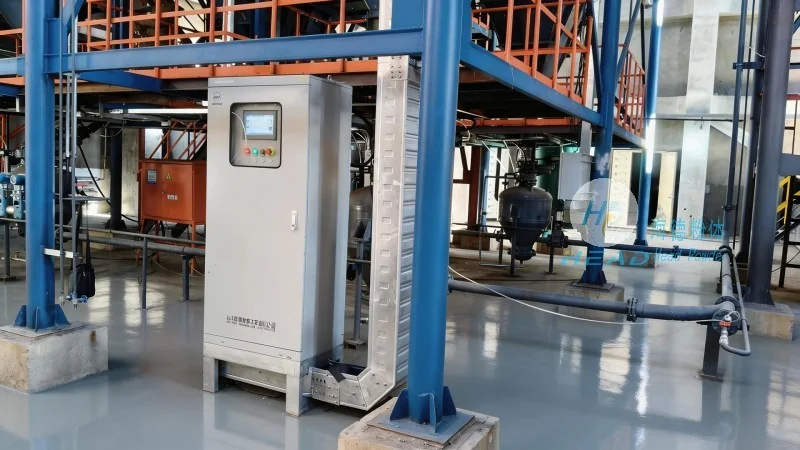
Efficiency and reliability are also critical features of these conveying lines. Advanced control systems and monitoring technologies enable operators to track the performance of the system in real-time, ensuring optimal operation and minimizing downtime. Additionally, the use of energy-efficient components reduces operational costs and contributes to sustainability goals.
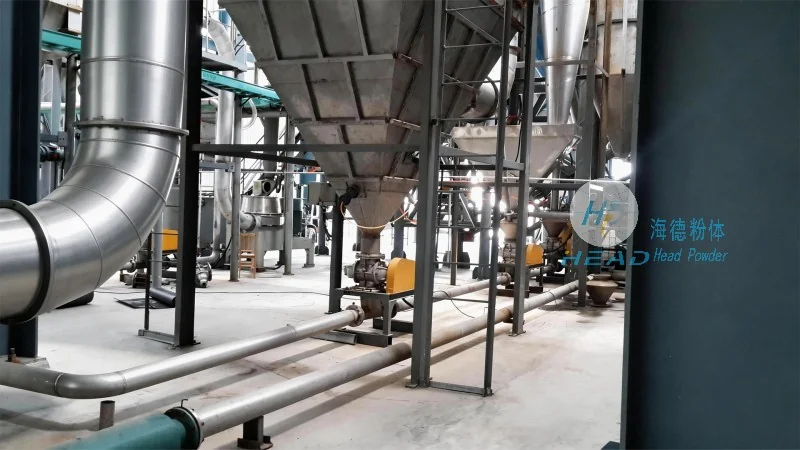
Furthermore, limestone powder conveying lines are designed with safety in mind. They incorporate features such as emergency stop buttons, overload protection, and dust suppression systems to prevent accidents and ensure compliance with safety regulations. These safety measures are essential in industrial environments where handling fine powders can pose health and safety risks.
Applications and Benefits of Limestone Powder Conveying Lines
Limestone powder conveying lines are widely used in various industries, including cement production, chemical manufacturing, and food processing. In cement plants, for example, limestone powder is a primary raw material used to produce clinker, which is then processed into cement. The efficient transport of limestone powder is crucial for maintaining production rates and ensuring consistent product quality.
In the chemical industry, limestone powder is used as a filler or raw material in the production of various products, such as plastics, paints, and adhesives. The conveying lines help in delivering the powder to the processing units in a controlled manner, ensuring uniform mixing and consistent product characteristics.
The benefits of using limestone powder conveying lines extend beyond efficiency and safety. They also contribute to cost savings by reducing material handling time and labor costs. Additionally, the reduced downtime and maintenance requirements of modern conveying systems lower overall operational expenses. Furthermore, the ability to handle fine powders without degradation ensures that the material retains its quality, which is vital for downstream processes.
Conclusion
In conclusion, limestone powder conveying lines are sophisticated systems that play a vital role in the efficient and safe transport of limestone powder in industrial applications. By understanding their working principle and key features, industries can make informed decisions about implementing these systems to enhance their operational efficiency and productivity. The adaptability, reliability, and safety features of these lines make them an essential component of modern industrial operations.