

Working Principles and Characteristics of Pharmaceutical Material Handling
Shandong HeadPowder Engineering Co., Ltd., commonly known as HeadPowder, is a professional manufacturer specializing in pharmaceutical material handling solutions. With its headquarters located in Shandong, China, the company has established itself as a key player in providing efficient and reliable systems for the pharmaceutical industry. HeadPowder's expertise lies in designing, manufacturing, and integrating material handling equipment tailored to meet the stringent requirements of pharmaceutical production environments.
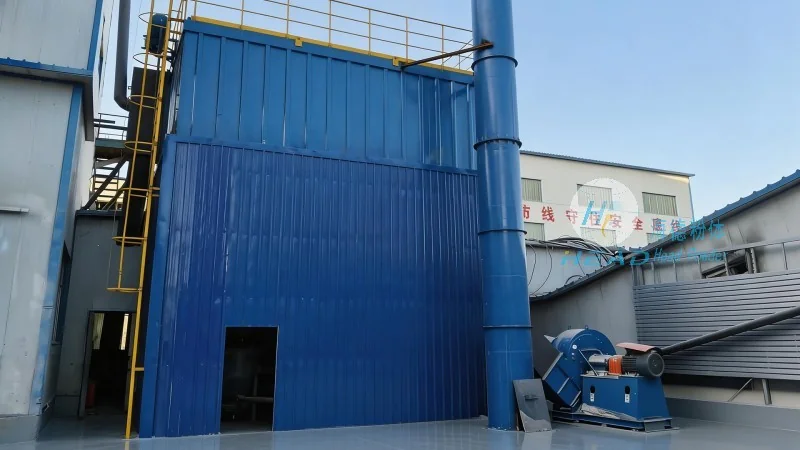
Working Principles of Pharmaceutical Material Handling Systems
Pharmaceutical material handling systems operate on the principle of ensuring the safe, efficient, and compliant transfer of raw materials, intermediates, and finished products within a pharmaceutical manufacturing facility. The core working principle involves the integration of various components such as conveyors, storage systems, and automation technologies to streamline the material flow. These systems are designed to maintain strict control over temperature, humidity, and contamination levels, which are critical in pharmaceutical production. The process typically begins with the receipt of raw materials, where they are inspected and stored in designated areas. From there, materials are transported to production lines through a network of conveyors, which may include belt conveyors, chain conveyors, or pneumatic systems. For example, belt conveyors are commonly used for transporting bulk materials like powders and granules, while chain conveyors are suitable for heavier items. Pneumatic systems, on the other hand, use compressed air to move materials through tubes, which is ideal for handling sensitive or hygienic products. Each step in the process is monitored to ensure that materials are handled in accordance with Good Manufacturing Practices (GMP) and other regulatory standards. The automation of material handling reduces human error, enhances productivity, and ensures consistent quality in the final pharmaceutical products. Advanced sensors and control systems are often integrated to detect any deviations in the material flow, allowing for immediate corrective actions.
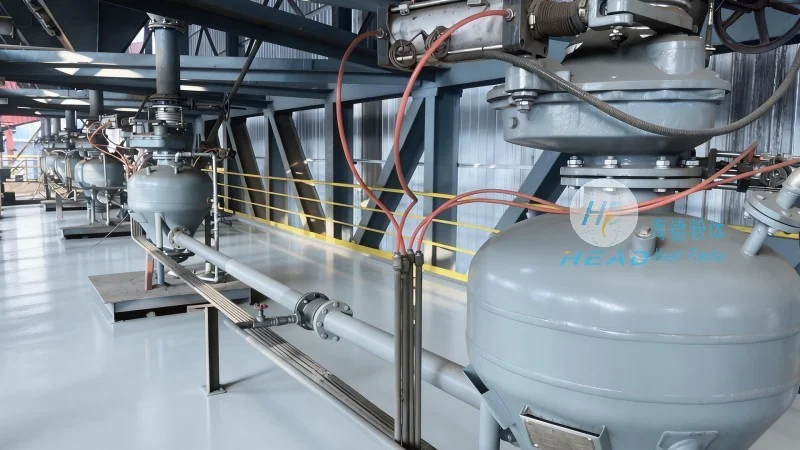
Key Characteristics of Pharmaceutical Material Handling Solutions
Pharmaceutical material handling solutions exhibit several distinct characteristics that set them apart from general industrial material handling systems. Firstly, they are built to meet the stringent hygiene and contamination control requirements of the pharmaceutical industry. Materials are often handled in cleanroom environments, and equipment is constructed from materials like stainless steel, which are easy to clean and maintain. Secondly, these systems emphasize precision and accuracy in material transfer. This is crucial for maintaining the integrity of sensitive pharmaceutical products, which may be temperature-sensitive or require precise dosing. Thirdly, the systems are designed for high reliability and minimal downtime. Pharmaceutical production lines operate continuously, and any interruption can lead to significant losses. Therefore, robust and durable equipment is essential. Additionally, pharmaceutical material handling solutions often incorporate advanced automation and control systems, enabling real-time monitoring and adjustment of the material flow. This allows for quick response to changes in production schedules or material availability. Finally, compliance with regulatory standards is a defining characteristic. Pharmaceutical companies must adhere to guidelines set by agencies like the FDA and EMA, and material handling systems must be designed and validated to meet these standards. This includes documentation of all processes and equipment performance to ensure traceability and accountability.
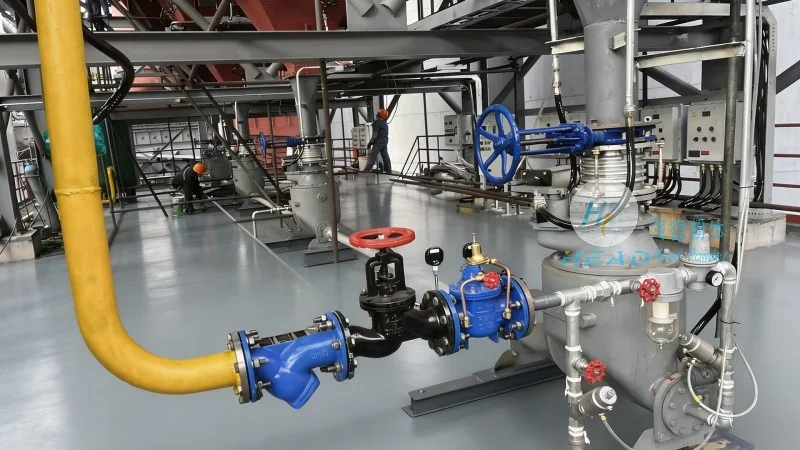
Integration of Technology in Modern Pharmaceutical Material Handling
Modern pharmaceutical material handling systems leverage advanced technologies to enhance their functionality and efficiency. One key technology is automation, which includes robotic arms and automated guided vehicles (AGVs) that can handle materials with precision and speed. These technologies reduce the need for manual labor in hazardous or repetitive tasks, improving worker safety and productivity. Another important technology is the use of sensors and IoT (Internet of Things) devices. These devices can monitor various parameters such as temperature, humidity, and material levels in real-time, providing data that can be used to optimize the material flow. For instance, sensors can detect when a conveyor belt is overloaded or when a storage bin is nearly empty, triggering alerts or automatic adjustments. Additionally, data analytics is used to analyze the performance of the material handling system, identifying areas for improvement and reducing waste. This data-driven approach helps pharmaceutical companies to make informed decisions and enhance their overall operational efficiency. Furthermore, the integration of software systems, such as Enterprise Resource Planning (ERP) and Manufacturing Execution Systems (MES), allows for better coordination between material handling and other production processes. This integration ensures that materials are available when needed and that production schedules are met without delays.