

[WTTLE]Working Principle and Features of Cassava Material Handling
Efficient and reliable cassava material handling is crucial for optimizing the workflow in agricultural processing facilities. Understanding the working principle and key features of the equipment used in this process can significantly enhance operational efficiency and reduce downtime. This article delves into the mechanisms behind cassava material transport systems, highlighting the technological advancements and practical advantages offered by modern solutions.
Working Principle of Cassava Material Handling Systems
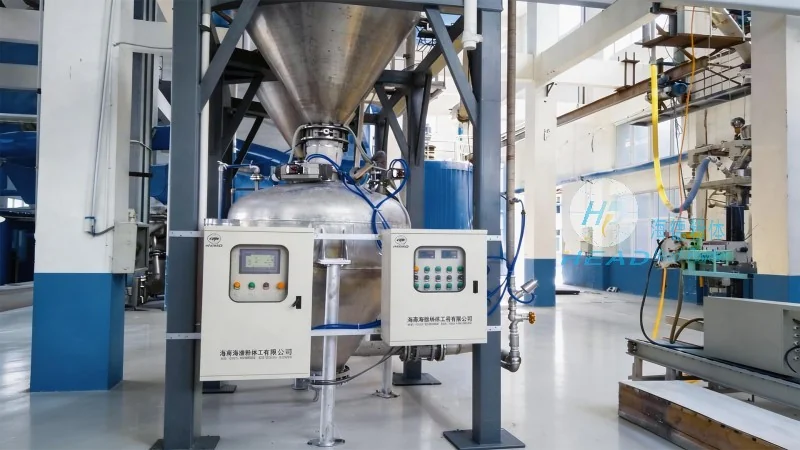
The core of cassava material handling lies in the integration of various mechanical and hydraulic components designed to move raw cassava from storage to processing stages. Typically, the process begins with the reception of cassava roots, which are then transferred to a storage area. From there, the material is fed into a series of conveyors, elevators, or loaders that transport the cassava to the processing line. The working principle involves the use of gravity, mechanical force, or pneumatic pressure to move the material along designated paths. For instance, belt conveyors use rotating rollers to pull the cassava forward, while bucket elevators lift the material vertically by rotating buckets that scoop and transport the load. This systematic approach ensures that the material is moved in a controlled manner, minimizing spillage and loss.
Key Features of Cassava Material Handling Equipment
Modern cassava material handling equipment from Shandong HeadPowder Engineering Co., Ltd. is characterized by several notable features that set them apart in the industry. One of the primary features is the high efficiency and durability of the components. The equipment is constructed using robust materials, such as stainless steel and high-grade alloys, which can withstand the harsh conditions of agricultural processing environments. Additionally, the systems are designed for easy maintenance and cleaning, which is essential for maintaining hygiene standards in food processing facilities. Another key feature is the adaptability of the equipment to different cassava sizes and shapes. The adjustable feed mechanisms and variable speed controls allow operators to customize the handling process according to the specific characteristics of the raw material. This flexibility ensures that the equipment can handle a wide range of cassava types, from small, irregularly shaped roots to larger, more uniform pieces. Furthermore, the integration of advanced control systems, such as PLC (Programmable Logic Controllers), enables precise monitoring and adjustment of the handling process. This technology allows for real-time adjustments to the conveyor speed, load capacity, and other parameters, ensuring optimal performance and preventing overloading or underutilization of the equipment.
Operational Advantages and Benefits
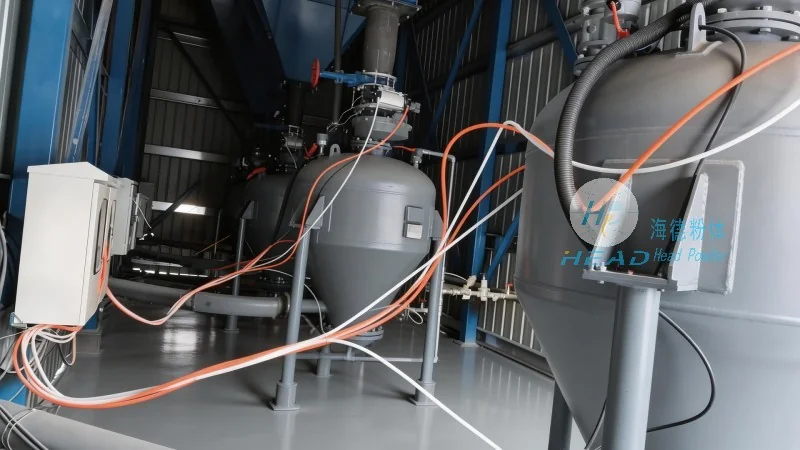
The implementation of advanced cassava material handling systems brings numerous operational advantages to processing facilities. Firstly, the increased efficiency of material transport reduces the overall processing time, leading to higher throughput and improved productivity. By minimizing the time spent on manual handling and sorting, the equipment allows for a more streamlined workflow. Secondly, the reduced risk of material damage during transport is a significant benefit. The gentle handling mechanisms, such as belt conveyors with soft rollers and bucket elevators with cushioned buckets, prevent bruising and crushing of the cassava, which can affect the quality of the final product. This preservation of product integrity is crucial for maintaining the market value of the processed cassava. Thirdly, the enhanced safety features of the equipment contribute to a safer working environment. The enclosed design of the conveyors and the presence of safety guards prevent accidental contact with moving parts, reducing the risk of injuries to operators. Additionally, the automated control systems minimize the need for manual intervention, reducing the risk of human error and improving overall operational consistency.
Customization and Integration with Processing Lines
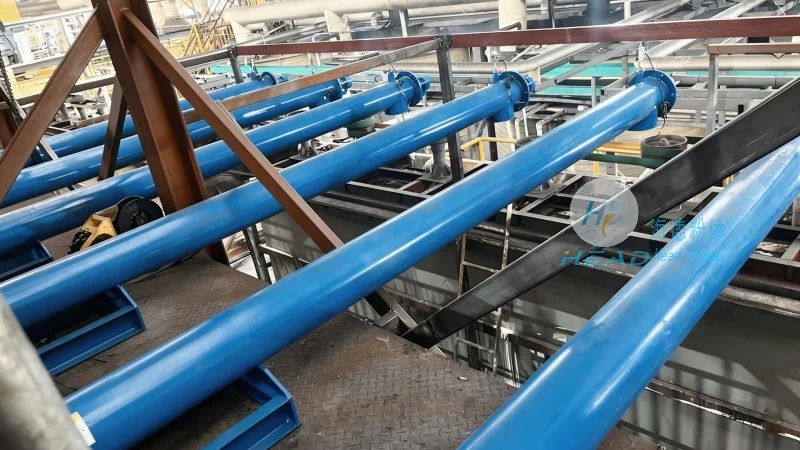
Shandong HeadPowder Engineering Co., Ltd. offers customized cassava material handling solutions tailored to the specific needs of each client. The company understands that different processing facilities have unique requirements, such as varying production volumes, cassava types, and processing line configurations. Therefore, the equipment is designed to be modular and adaptable, allowing for easy integration with existing processing lines or new installations. The customization process involves a thorough analysis of the client's operational requirements, including the volume of cassava to be handled, the distance and height of transport, and the desired speed of the process. Based on this analysis, the engineers at HeadPowder develop a tailored solution that maximizes efficiency and minimizes costs. The integration of the handling system with other processing equipment, such as washing machines, peeling machines, and drying ovens, is also a key aspect of the customization. This seamless integration ensures that the material flows smoothly from one stage to the next, without any bottlenecks or delays. The company's expertise in mechanical engineering and process optimization allows for the development of highly efficient and reliable handling systems that meet the specific needs of each client.
Conclusion
In conclusion, the working principle and features of cassava material handling systems play a vital role in the efficiency and success of agricultural processing facilities. The integration of advanced mechanical and control technologies, as offered by Shandong HeadPowder Engineering Co., Ltd., provides significant advantages in terms of efficiency, durability, and adaptability. By understanding the working principles and key features of these systems, processing facilities can make informed decisions about the equipment that best suits their needs, ultimately leading to improved productivity, product quality, and operational safety. The continued development of such technology ensures that cassava processing remains a competitive and sustainable industry, meeting the growing global demand for cassava-based products.