

Working Principle and Characteristics of Calcium Hydroxide Material Handling
Shandong HeadPowder Engineering Co., Ltd., commonly known as headpowder, is a professional manufacturer and supplier specializing in material handling solutions for calcium hydroxide and related products. With a base in Shandong, China, the company has established itself as a reliable partner in the industry, delivering innovative and efficient systems for handling calcium hydroxide materials. This article explores the working principles and key characteristics of calcium hydroxide material handling systems, highlighting the technical aspects and practical applications that define their performance.
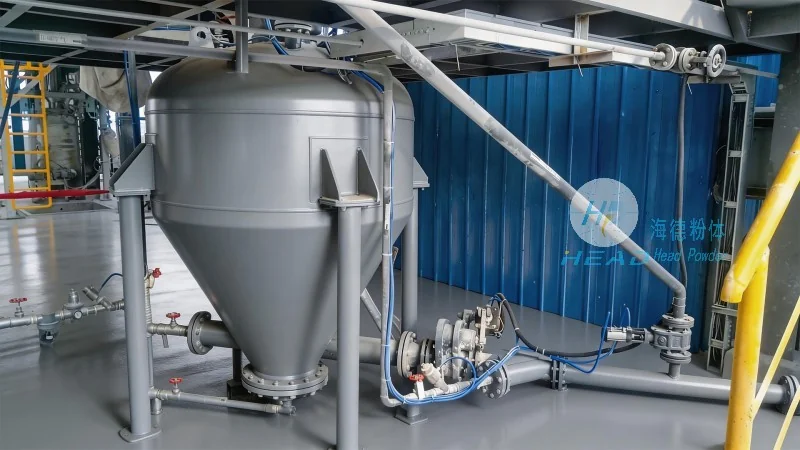
Working Principle of Calcium Hydroxide Material Handling Systems
Calcium hydroxide, also known as slaked lime, is a white or grayish powder with a Mohs hardness of about 1.5 and a density typically ranging from 2.2 to 2.4 g/cm³. Due to its fine particle size and potential for moisture absorption, the material handling process requires specialized equipment designed to maintain product integrity and ensure safe, efficient transport. The core working principle involves the use of mechanical systems such as belt conveyors, bucket elevators, and pneumatic conveying systems, each tailored to the unique properties of calcium hydroxide.
Belt conveyors are commonly employed for horizontal or slight incline transport of calcium hydroxide, utilizing smooth or coated belts to prevent material buildup and ensure consistent flow. The design typically includes idlers, pulleys, and a drive system that maintains the required speed for material movement. For vertical or steep incline transport, bucket elevators are preferred, as they can handle the material's density and prevent clogging. These systems use rotating buckets that scoop material from a hopper and lift it to the desired height, with the material discharged at the top. Pneumatic conveying systems, on the other hand, utilize air pressure to transport calcium hydroxide through pipelines, which is particularly effective for fine powders and can be used for both short and long-distance transport. The choice of system depends on factors such as the material's flowability, moisture content, and the distance between the source and destination.
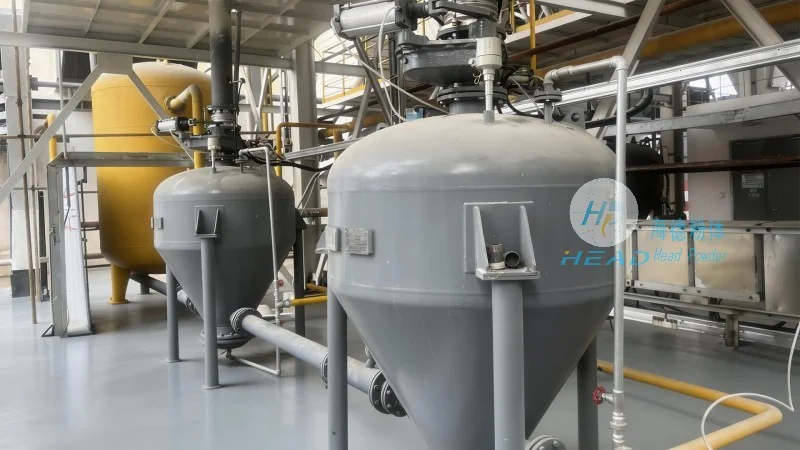
Key Characteristics of Calcium Hydroxide Material Handling Systems
Efficiency and Capacity: Modern calcium hydroxide material handling systems are engineered to maximize throughput while minimizing downtime. The use of high-capacity conveyors and optimized system layouts ensures that large volumes of material can be transported continuously, meeting the demands of industrial applications such as manufacturing, construction, and agricultural use. The systems are designed to handle varying material loads, with adjustable speed controls and load sensors that prevent overloading and ensure smooth operation.
Product Integrity and Safety: Calcium hydroxide is sensitive to moisture and can clump or degrade if not handled properly. The material handling systems incorporate features such as sealed hoppers, moisture-resistant materials, and enclosed conveyor systems to maintain the material's quality. Additionally, safety measures are integrated into the design, including emergency stop buttons, overload protection, and dust suppression systems to prevent dust explosions and ensure operator safety. The use of non-corrosive materials for contact surfaces, such as stainless steel or coated components, further protects the material from contamination and extends the equipment's lifespan.
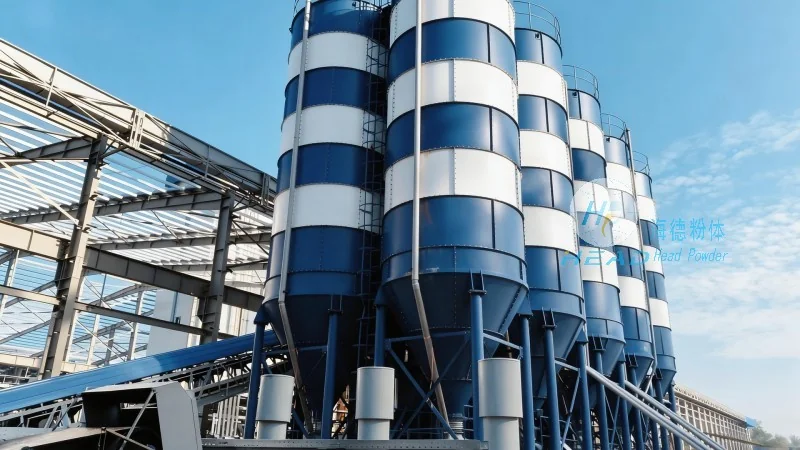
Adaptability and Flexibility: The characteristics of calcium hydroxide can vary depending on the source and processing method, making it essential for material handling systems to be adaptable. Many systems are designed with modular components that can be easily reconfigured to accommodate different material types or transport requirements. For example, a belt conveyor can be equipped with different types of idlers or a bucket elevator can be adjusted to handle varying particle sizes. This flexibility allows companies to scale their operations and respond to changing market demands without significant capital investment.
Environmental Considerations: As a widely used material in various industries, calcium hydroxide handling systems must comply with environmental regulations. The systems are designed to minimize dust emissions and noise pollution, with features such as dust collection hoods, filtration systems, and soundproof enclosures. The use of energy-efficient motors and variable speed drives reduces operational costs while minimizing the environmental impact. Additionally, the systems are constructed with durable materials that can withstand the corrosive effects of calcium hydroxide, reducing the need for frequent maintenance and replacement.