

Working Principle and Features of Vanadium Oxide Material Handling
Vanadium oxide material handling systems are integral to industrial operations that involve the transport of vanadium oxide, a key raw material in various sectors including chemical manufacturing, energy production, and metallurgy. Understanding the underlying working principles and distinctive features of these systems is crucial for optimizing material flow, enhancing operational efficiency, and ensuring compliance with safety regulations in industrial settings.
Working Principle of Vanadium Oxide Material Handling
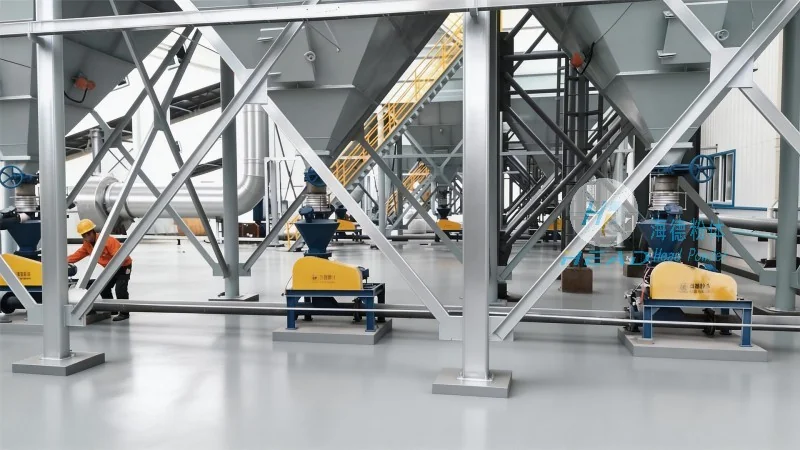
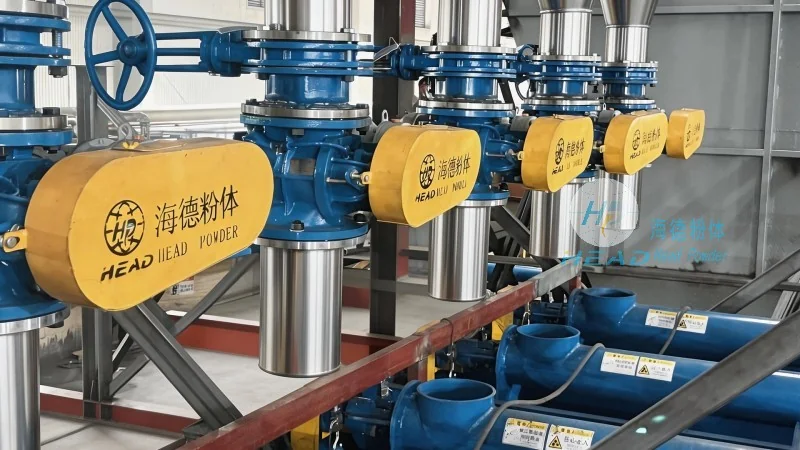
The working principle of vanadium oxide material handling encompasses a series of interconnected processes designed to move bulk vanadium oxide from its source to its destination within an industrial facility. Typically, the process begins with the storage of vanadium oxide in a hopper or silo, where the material is collected and prepared for transport. From the storage vessel, the vanadium oxide is transferred through a series of conveyors, such as belt conveyors or screw conveyors, which are engineered to handle the specific properties of vanadium oxide, including its density (typically around 3-5 g/cm³), flowability, and potential reactivity. The system may also incorporate feeding devices like rotary airlocks or vibratory feeders to regulate the flow rate and ensure consistent material delivery to the subsequent transport stage. In some cases, pneumatic conveying systems are used for vanadium oxide, especially when the material needs to be transported over longer distances or through vertical elevations, as they can handle fine powders and provide flexible routing options.
Once the vanadium oxide reaches its target location, such as a processing unit or a storage area, the system includes unloading mechanisms like discharge chutes or conveyor discharge points. The entire operation is often controlled by a centralized control system that monitors critical parameters like flow rate, pressure, and temperature in real-time. This control system enables automated operation, minimizing human intervention and reducing the risk of errors or accidents. The working principle emphasizes efficiency, reliability, and safety, making it suitable for applications where consistent and safe material transport is essential.
Key Features of Vanadium Oxide Material Handling Systems
Vanadium oxide material handling systems are distinguished by several key features that cater to the unique characteristics of vanadium oxide. First, the equipment is constructed using materials that are compatible with vanadium oxide, such as stainless steel or specialized coatings, to prevent corrosion and contamination. This is vital because vanadium oxide can be reactive under certain conditions, and exposure to incompatible materials could lead to degradation or safety hazards. Second, these systems incorporate advanced control technologies, including sensors and automation software, to monitor and adjust the material flow dynamically. This allows for precise control over the transport process, ensuring optimal speed and pressure to prevent clogging or damage to the equipment.
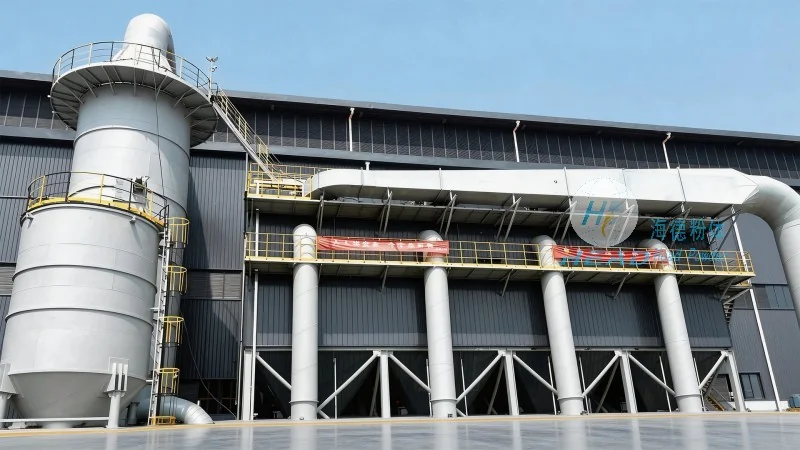
Another significant feature is the robust design of the machinery. Vanadium oxide material handling systems are built to endure the physical stresses associated with bulk material handling, including high loads and abrasive properties. The use of heavy-duty components, like reinforced conveyor belts and durable hopper liners, ensures long-term operation with minimal maintenance. Additionally, the systems are equipped with safety features, such as emergency stop buttons, overload protection, and dust suppression mechanisms, to safeguard operators and the environment from potential risks. The combination of these features makes vanadium oxide material handling systems reliable, efficient, and safe for industrial use.
Application and Operational Benefits
Vanadium oxide material handling systems are widely employed in diverse industrial applications where vanadium oxide is a critical component. In the mining industry, these systems facilitate the transport of vanadium oxide from ore processing facilities to storage or shipping locations. In chemical processing plants, they enable the movement of vanadium oxide between reactors, storage tanks, and packaging units. The benefits of utilizing specialized material handling systems for vanadium oxide include improved productivity, reduced downtime, and enhanced safety. By ensuring efficient and safe material transport, these systems help companies maintain consistent production levels and meet quality standards. Furthermore, the integration of advanced control technologies allows for better monitoring and management of the material flow, leading to cost savings and increased profitability.