

Working Principle and Characteristics of Potassium Carbonate Material Handling
Understanding the working principle and characteristics of potassium carbonate material handling is crucial for optimizing industrial processes that involve this chemical compound. Potassium carbonate, a white crystalline solid widely used in various industries such as glass manufacturing, food processing, and chemical synthesis, requires efficient and reliable handling systems to ensure safety, efficiency, and product integrity.
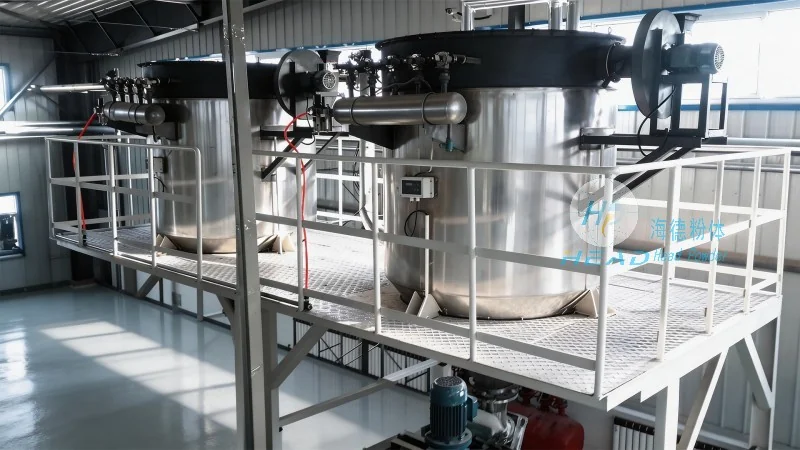
Working Principle of Potassium Carbonate Material Handling
The working principle of potassium carbonate material handling typically involves several key steps designed to move the material from storage to processing or packaging areas. These steps are tailored to the physical properties of potassium carbonate, which includes its granular or powdered form, moderate density, and reactivity under certain conditions. The primary mechanisms used in material handling systems include bulk material handling, such as conveying, lifting, and transporting, often utilizing equipment like belt conveyors, screw conveyors, and pneumatic conveying systems. Each component of the system is engineered to handle the specific characteristics of potassium carbonate, ensuring minimal dust generation, consistent flow, and adherence to safety regulations.
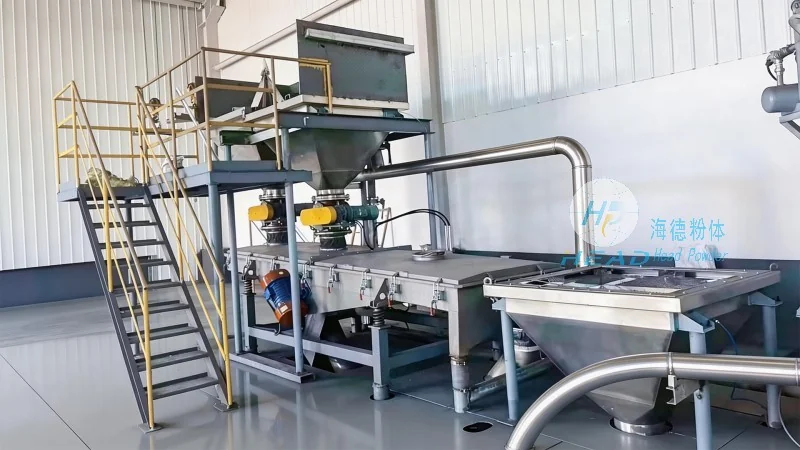
Key Characteristics of Potassium Carbonate Material Handling Systems
Several distinct characteristics define effective potassium carbonate material handling systems. Firstly, the systems must be designed to minimize dust exposure, as potassium carbonate is a fine powder that can cause respiratory issues if inhaled. This is achieved through enclosed conveying systems, dust collection equipment, and proper sealing of storage and processing areas. Secondly, the material handling equipment must be capable of handling the material's moderate bulk density and flow characteristics, ensuring smooth and continuous operation without clogging or blockages. Additionally, the systems should be constructed from materials that are compatible with potassium carbonate, such as stainless steel or specialized coatings, to prevent chemical reactions or corrosion. Another important characteristic is the ability to integrate with existing industrial processes, allowing for seamless transfer of the material between storage, processing, and packaging stages. This integration enhances overall operational efficiency and reduces downtime.
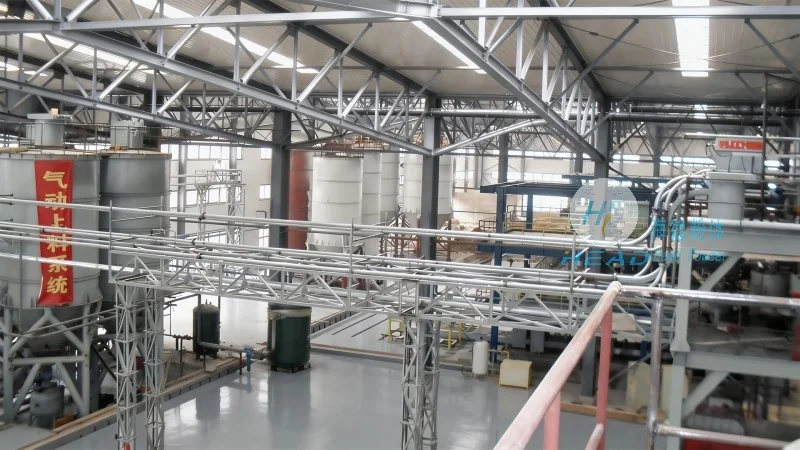
Company Overview: Shandong HeadPowder Engineering Co., Ltd.
HeadPowder, a leading provider of material handling solutions, specializes in designing and manufacturing systems tailored to the unique needs of potassium carbonate and other chemical materials. With a focus on innovation and customer satisfaction, the company has established itself as a trusted partner in the industry. HeadPowder's expertise lies in understanding the specific challenges of handling potassium carbonate, including its reactivity and dust generation, and developing solutions that address these issues effectively. The company's facilities are located in Shandong, China, where it leverages advanced technology and skilled personnel to deliver high-quality material handling systems. By prioritizing safety, efficiency, and durability, HeadPowder ensures that its customers receive reliable equipment that meets the stringent requirements of modern industrial applications.