

How to Design a Reasonable PTFE Pneumatic Conveying System Plan
For industrial applications requiring the efficient and reliable transport of materials, the design of a pneumatic conveying system based on polytrifluoroethylene (PTFE) components is a critical engineering task. This article outlines the key considerations and steps involved in developing a rational PTFE pneumatic conveying system plan, ensuring optimal performance, durability, and cost-effectiveness. The following discussion is presented by Shandong HeadPowder Engineering Co., Ltd., a leading provider of specialized engineering solutions based in China, with a focus on delivering tailored systems for demanding material handling scenarios.
Understanding PTFE Material Properties for Pneumatic Conveying
Before embarking on the design of a PTFE pneumatic conveying system, it is essential to understand the unique properties of PTFE that make it suitable for such applications. PTFE, also known as Teflon, is renowned for its exceptional chemical resistance, low friction coefficient, and thermal stability. These characteristics are particularly advantageous in environments where the conveyed materials may be corrosive, abrasive, or sensitive to temperature fluctuations. The low friction properties of PTFE reduce wear and tear on system components, while its chemical inertness ensures compatibility with a wide range of substances, including chemicals, pharmaceuticals, and food products. Additionally, PTFE’s ability to withstand high temperatures and resist degradation under harsh conditions makes it an ideal choice for long-term, high-performance conveying systems.
Key Design Parameters and System Components
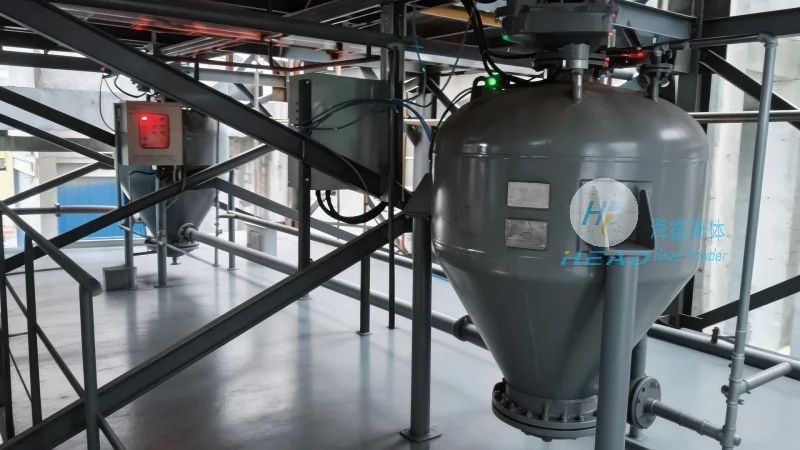
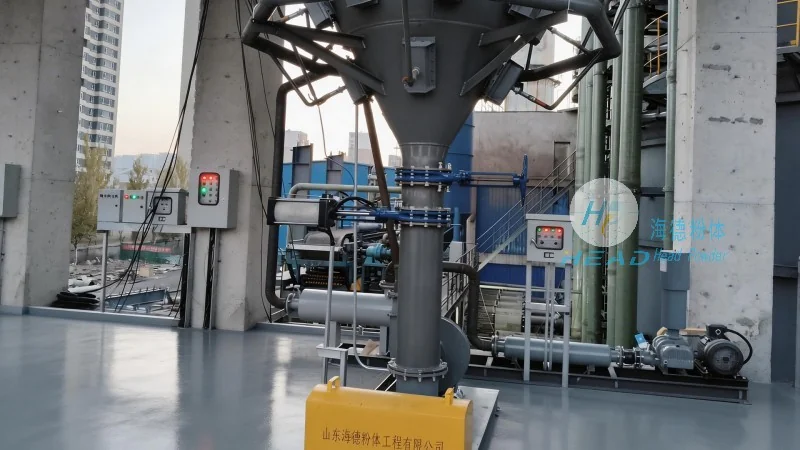
The design of a PTFE pneumatic conveying system involves several critical parameters and components that must be carefully selected and integrated to achieve the desired performance. The primary system components include the air supply unit (such as a blower or fan), the conveying pipeline (made from PTFE or compatible materials), the material feed hopper, the separation and collection equipment, and any necessary control mechanisms. The choice of system type—either suction (or aspirating) or pressure (or blow-through)—depends on the specific material characteristics, distance to be conveyed, and the required flow rate. For PTFE systems, the pipeline diameter, length, and number of bends are critical factors that influence the system’s pressure drop and overall efficiency. Proper sizing of the pipeline ensures that the air velocity is sufficient to entrain the material particles without causing excessive wear or energy consumption. The selection of the air supply unit is equally important, as it must provide the necessary airflow and pressure to maintain the material in suspension throughout the conveying process.
Material Characterization and Flow Rate Determination
Accurate material characterization is a foundational step in designing an effective PTFE pneumatic conveying system. The properties of the material to be conveyed—including particle size distribution, density, moisture content, and flowability—directly impact the system’s design. For example, fine powders with high moisture content may require higher air velocities and more robust separation equipment to prevent clogging or material degradation. The flow rate, or the quantity of material to be conveyed per unit time, is determined based on production requirements and operational efficiency. This parameter influences the selection of the blower capacity, pipeline dimensions, and the overall system layout. A thorough analysis of the material’s behavior under pneumatic transport conditions helps in optimizing the system design to minimize energy consumption and maximize throughput.
System Layout and Integration Considerations
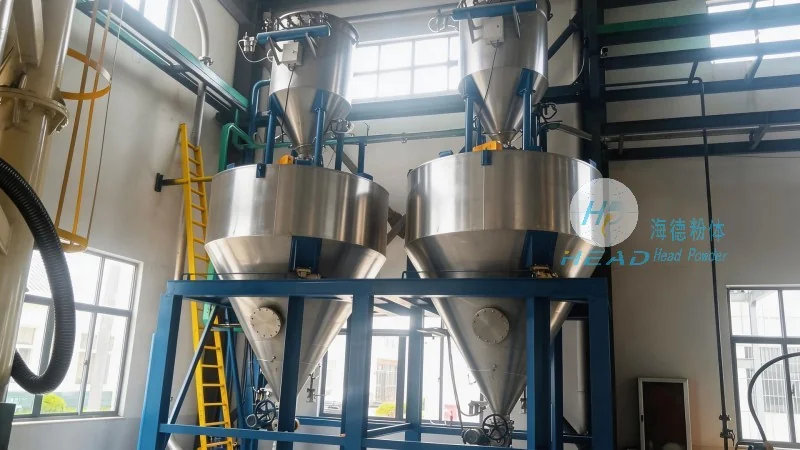
The layout of a PTFE pneumatic conveying system must be carefully planned to ensure smooth material flow and efficient operation. The system should be designed to minimize the number of bends and changes in direction, as excessive bends increase pressure drop and can lead to material deposition or blockages. The placement of the feed hopper and separation equipment is critical, as it affects the system’s ability to handle material variations and maintain consistent flow. Additionally, the integration of control mechanisms, such as pressure sensors and flow meters, allows for real-time monitoring and adjustment of the system parameters. This ensures that the system operates within optimal conditions, adapting to changes in material characteristics or production demands. The design should also consider the space constraints and environmental factors, such as temperature and humidity, to ensure the PTFE components maintain their performance characteristics over time.
Installation, Maintenance, and Long-Term Performance
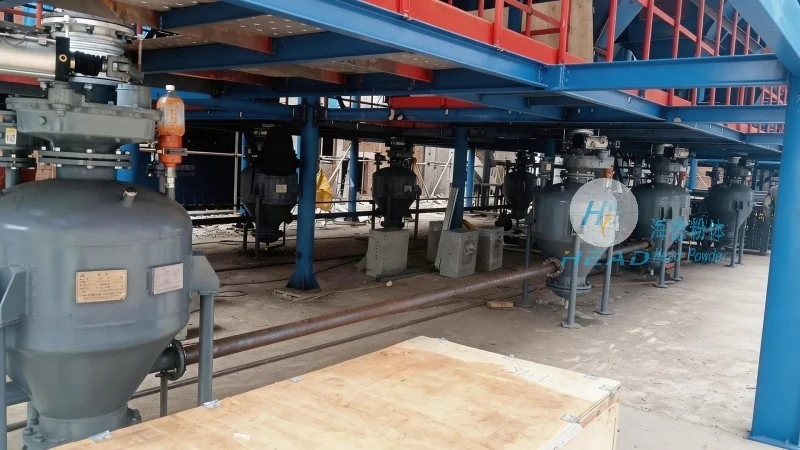
Proper installation and regular maintenance are essential for the long-term performance and reliability of a PTFE pneumatic conveying system. During installation, all components must be properly aligned and secured to prevent leaks or misalignment, which can lead to inefficiencies or component failure. The use of compatible seals and connectors is crucial to maintain the system’s integrity and prevent material leakage. Regular maintenance, including cleaning of the pipeline, inspection of the blower and fan, and replacement of worn parts, is necessary to ensure the system operates at peak efficiency. PTFE components are generally low-maintenance due to their resistance to wear and corrosion, but periodic checks are still recommended to identify any potential issues before they become major problems. The long-term performance of the system is directly related to the quality of the PTFE components and the design considerations applied during the planning phase. By adhering to best practices in installation and maintenance, the system can provide reliable service for many years, delivering consistent material transport with minimal downtime.
Conclusion and Expert Guidance
Designing a reasonable PTFE pneumatic conveying system requires a comprehensive understanding of material properties, system components, and operational requirements. By carefully considering the key design parameters, material characteristics, and system layout, engineers can develop a solution that meets the specific needs of the application. Shandong HeadPowder Engineering Co., Ltd. specializes in providing tailored engineering solutions for pneumatic conveying systems, leveraging expertise in PTFE materials and industrial applications. With a focus on delivering efficient, durable, and cost-effective systems, the company offers expert guidance and support throughout the design, installation, and maintenance process. By partnering with experienced engineers and utilizing high-quality PTFE components, industries can achieve reliable material transport while minimizing operational costs and maximizing productivity.