

Tea Pneumatic Conveying: An Efficient and Eco-Friendly Material Handling Solution
Tea processing is a delicate and intricate process that demands precise handling of raw materials to preserve quality and ensure consistent product output. Among the various methods used for material transport in tea production facilities, pneumatic conveying stands out as a superior solution. This technology offers a blend of efficiency, environmental friendliness, and operational reliability that traditional methods often struggle to match. By understanding the principles and benefits of tea pneumatic conveying, tea manufacturers can enhance their production capabilities while adhering to modern sustainability standards.
Introduction to Tea Pneumatic Conveying Systems
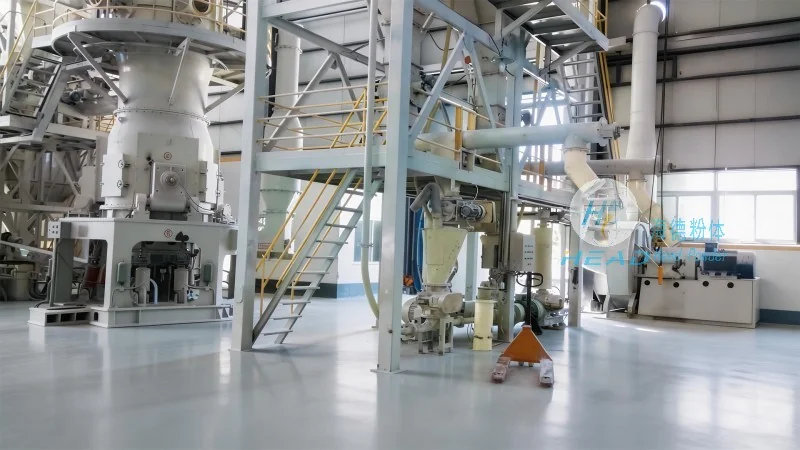
Pneumatic conveying systems utilize compressed air or vacuum to transport solid materials, such as tea leaves and processed tea products, through a network of pipes. Unlike mechanical conveyors that rely on belts or chains, pneumatic systems offer a non-contact method of material handling. This approach minimizes physical abrasion and friction, which are critical factors in preserving the delicate characteristics of tea leaves. The system typically consists of a hopper, a conveying line, and a receiver, all connected by airtight pipes. Compressed air is introduced to move the material, ensuring a smooth and controlled flow. For tea processing, this technology is particularly advantageous due to the need to handle fine particles and maintain product integrity.
Key Advantages of Pneumatic Conveying for Tea Processing
One of the primary benefits of pneumatic conveying in the tea industry is its ability to reduce material loss and improve product quality. Traditional methods, such as bucket elevators or belt conveyors, can cause breakage and dust generation, leading to lower yields and increased waste. Pneumatic systems, on the other hand, operate with minimal contact, reducing the risk of damage to tea leaves. This results in higher extraction rates and better flavor retention. Additionally, the enclosed nature of the system prevents contamination from external elements, ensuring that the tea remains hygienic and meets stringent quality standards. From raw leaf collection to final product packaging, pneumatic conveying maintains the integrity of the tea throughout the entire process.
How Pneumatic Conveying Enhances Tea Production Efficiency
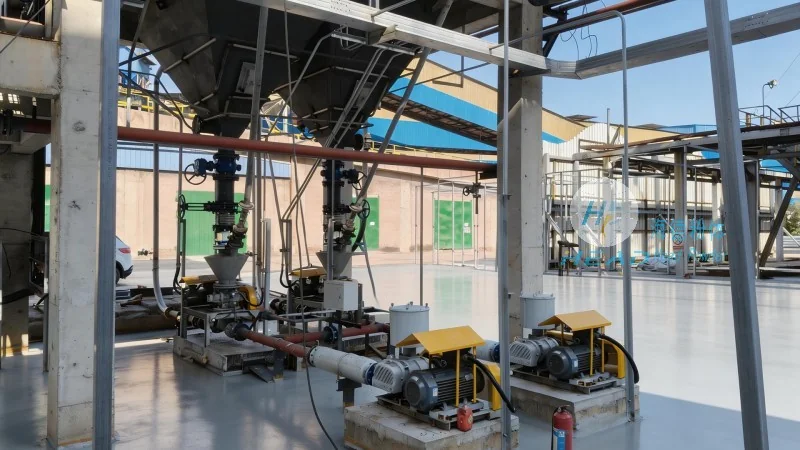
Efficiency is a cornerstone of modern tea production, and pneumatic conveying systems significantly contribute to this goal. By automating the material transport process, these systems reduce the need for manual labor, thereby lowering operational costs and increasing productivity. The ability to handle materials at high speeds and over long distances without the need for multiple transfer points streamlines the workflow. For example, in a large-scale tea factory, pneumatic conveyors can transport tea leaves from the drying area directly to the packaging line, eliminating the need for intermediate storage and manual handling. This integration of processes not only saves time but also minimizes bottlenecks, allowing for a more continuous and efficient production cycle. Furthermore, the flexibility of pneumatic systems allows for easy adjustments to production volumes, making them suitable for both small-scale and large-scale tea operations.
Environmental Benefits of Using Pneumatic Conveying in Tea Industry
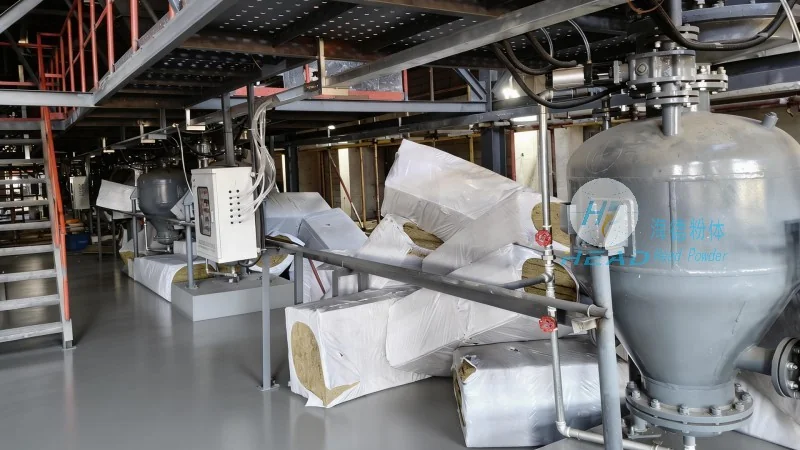
With growing emphasis on sustainability in the food and beverage industry, the environmental impact of processing methods has become a critical consideration. Pneumatic conveying offers several eco-friendly advantages that align with modern environmental standards. Unlike mechanical conveyors that generate significant noise and dust, pneumatic systems operate quietly and with minimal particulate emissions. The enclosed pipe system prevents dust from escaping into the environment, reducing air pollution and protecting both workers and the surrounding ecosystem. Additionally, by optimizing air usage and reducing energy consumption through efficient design, these systems contribute to lower carbon footprints. Many tea manufacturers are now adopting pneumatic conveying as part of their green initiatives, as it not only improves operational efficiency but also supports compliance with environmental regulations and consumer expectations for sustainable products.
The Role of HeadPowder Engineering in Providing Advanced Tea Conveying Solutions
Shandong HeadPowder Engineering Co., Ltd., based in Shandong, China, is a leading provider of advanced pneumatic conveying solutions tailored for the tea industry. With years of experience in engineering and manufacturing, the company specializes in designing and installing custom tea pneumatic systems that meet the unique needs of each client. HeadPowder Engineering understands that tea processing facilities vary in size, production capacity, and product types, and thus offers a range of solutions from basic conveying lines to complex, multi-stage systems. The company’s team of experts works closely with clients to assess their specific requirements, including material characteristics, processing stages, and environmental constraints, to develop optimal system designs. By leveraging cutting-edge technology and adherence to industry standards, HeadPowder Engineering ensures that its systems are not only efficient and reliable but also durable and cost-effective. The company’s commitment to quality and customer satisfaction has made it a trusted partner for tea manufacturers seeking to enhance their material handling capabilities while maintaining high standards of product quality and environmental responsibility.