

Working Principle and Features of Lightweight Calcium Carbonate Material Handling Systems
Lightweight calcium carbonate (LCC) is a widely used industrial material, and efficient handling and transportation of this material are crucial for various industrial processes. The material handling systems designed for LCC must address specific challenges such as dust control, material flow optimization, and equipment durability. This article explores the working principles and key features of modern lightweight calcium carbonate material handling systems, focusing on solutions provided by Shandong HeadPowder Engineering Co., Ltd., a leading manufacturer in the field.
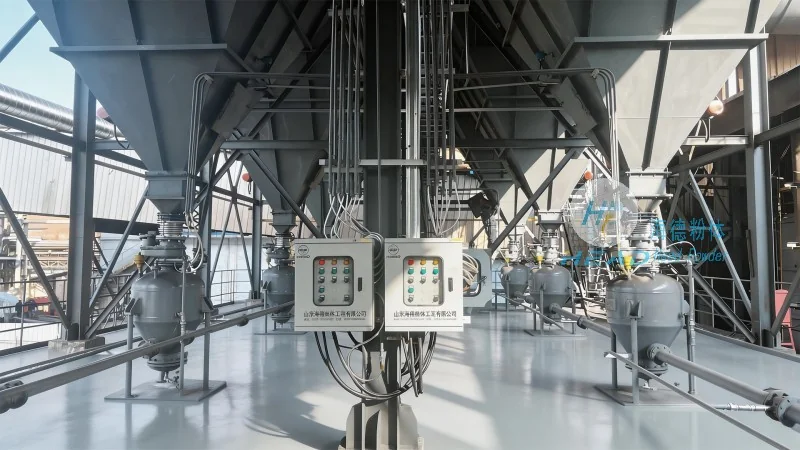
Working Principle of Lightweight Calcium Carbonate Material Handling Systems
The core working principle of a lightweight calcium carbonate material handling system involves several integrated components working in tandem to ensure smooth material flow. The system typically starts with material storage, where LCC is stored in bulk containers or silos. From the storage area, the material is transferred to a feeding unit, which may include a hopper or a rotary valve to regulate the flow rate. The feeding unit ensures a consistent and controlled feed of the material into the subsequent transport equipment. The transport equipment, which may include conveyor belts, pneumatic conveying systems, or screw conveyors, moves the LCC from the storage to the processing or packaging areas. The system also incorporates dust collection and filtration components to maintain a clean working environment, as LCC is a fine powder that can generate significant dust during handling. The entire process is often controlled by a centralized control system, allowing operators to monitor and adjust the flow rates, pressure, and other parameters in real-time to optimize performance.
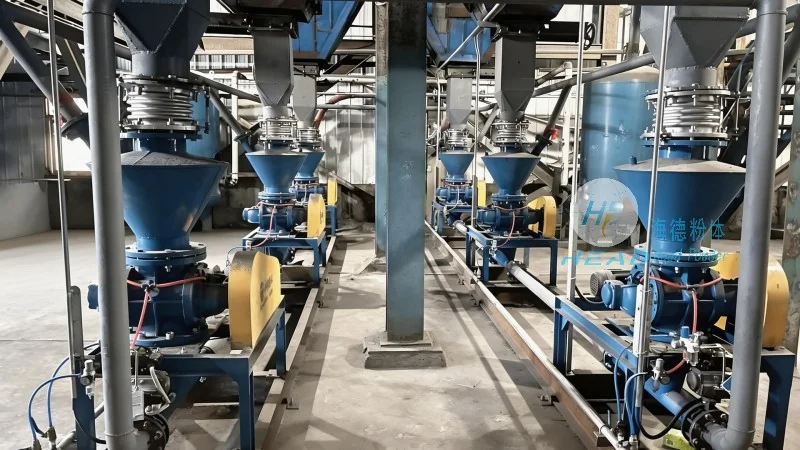
Key Features of Lightweight Calcium Carbonate Material Handling Systems
Modern lightweight calcium carbonate material handling systems are characterized by several key features that enhance their performance and reliability. One of the primary features is the use of advanced material flow control mechanisms, such as variable speed drives and adjustable feeders, which allow for precise control over the material flow rate. This precision is critical in preventing overloading or underloading of downstream equipment, ensuring consistent product quality. Another important feature is the integration of dust suppression and filtration systems. These systems use technologies like baghouse filters or cartridge filters to capture and remove airborne particles, maintaining a safe and compliant working environment. The systems also often include material conditioning equipment, such as pre-drying or pre-screening units, to improve material flow characteristics and reduce blockages. Additionally, the use of corrosion-resistant materials in the construction of the equipment is a common feature, as LCC can be slightly acidic and may cause corrosion over time. The systems are also designed for easy maintenance and cleaning, with access panels and removable components that facilitate regular upkeep. Finally, many modern systems incorporate automation and monitoring capabilities, such as sensors and data logging, to provide real-time feedback on system performance and detect potential issues before they become major problems.
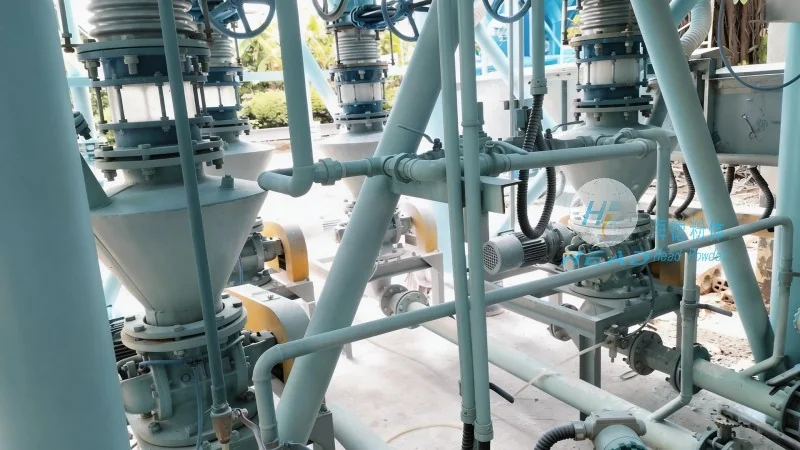
Benefits of Using Advanced Lightweight Calcium Carbonate Material Handling Systems
Implementing an advanced lightweight calcium carbonate material handling system offers numerous benefits for industrial operations. The primary benefit is improved operational efficiency, as the precise control over material flow reduces downtime and increases throughput. The consistent flow rates also lead to better product quality, as the material is processed uniformly without variations in particle size or moisture content. Another significant benefit is enhanced safety, as the integrated dust collection systems reduce the risk of respiratory issues and other health hazards associated with handling fine powders. The corrosion-resistant construction of the equipment also extends its service life, reducing maintenance costs and replacement expenses over time. Additionally, the automation features of modern systems reduce the need for manual intervention, lowering labor costs and minimizing human error. The ability to monitor system performance in real-time allows for proactive maintenance, preventing unexpected breakdowns and ensuring continuous operation. Overall, the adoption of advanced material handling systems for LCC can lead to significant cost savings and improved competitiveness in the market.