

Working Principle and Features of Molybdenum Trioxide Powder Pneumatic Conveying Equipment
For industrial applications involving the handling of molybdenum trioxide powder, the selection of an efficient and reliable pneumatic conveying system is crucial. This article provides an overview of the working principle and key features of such equipment, highlighting how it addresses the unique challenges associated with transporting this specific material.
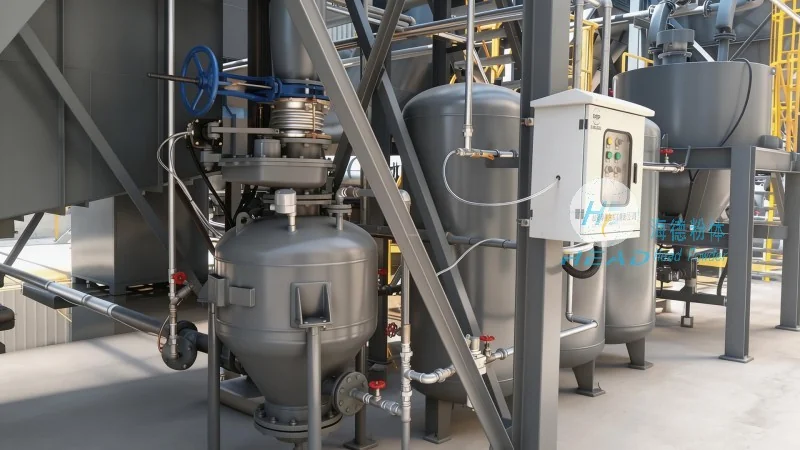
Introduction to Molybdenum Trioxide Powder Pneumatic Conveying Equipment
Molybdenum trioxide (MoO₃) is a high-purity inorganic compound widely used in various industries, including electronics, catalysts, and pigments. Due to its fine particle size and potential for dust generation, the safe and effective transport of MoO₃ powder requires specialized equipment. Pneumatic conveying systems offer a solution by utilizing air or gas to move the material through a pipeline network, minimizing the risk of contamination and ensuring consistent flow rates.
Working Principle of Pneumatic Conveying Systems for Molybdenum Trioxide
The core working principle of a molybdenum trioxide powder pneumatic conveying system involves the generation of a flow of air or gas within a closed pipeline. The system typically consists of a material feed hopper, a conveyor line, and a discharge point. The process begins with the material being introduced into the hopper, where it is then drawn into the pipeline by the moving air stream. The air velocity is carefully controlled to ensure that the powder particles are entrained and transported without clogging or degradation. This method is particularly effective for MoO₃ because it avoids direct contact with mechanical components, reducing the risk of contamination and maintaining the material's purity.
Key Features of Advanced Molybdenum Trioxide Powder Pneumatic Conveying Equipment
Modern pneumatic conveying systems for molybdenum trioxide powder are designed with several key features to enhance performance and reliability. These include:
1. High-Purity Material Handling: The equipment is constructed from materials that are resistant to corrosion and contamination, ensuring that the MoO₃ powder remains in its original state throughout the conveying process. This is critical for applications where the purity of the material directly impacts product quality.
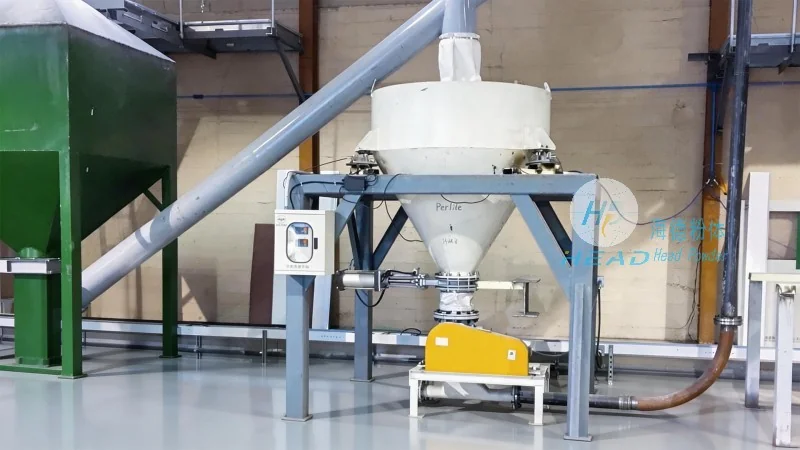
2. Adjustable Air Flow and Velocity: Advanced control systems allow operators to precisely adjust the air flow rate and velocity within the pipeline. This flexibility enables the system to handle varying particle sizes and densities of MoO₃, ensuring consistent and efficient transport. The ability to fine-tune these parameters is essential for maintaining optimal conveying efficiency and preventing material degradation.
3. Low Pressure and Low Velocity Operation: Many systems operate at low pressure and low velocity, which reduces energy consumption and minimizes the risk of particle breakage or agglomeration. This is particularly important for fine powders like MoO₃, as excessive force can lead to particle damage and affect downstream processes.
4. Integrated Filtration and Dust Control: To prevent dust emissions and maintain a clean working environment, the system incorporates advanced filtration and dust collection mechanisms. These features help comply with environmental regulations and ensure workplace safety when handling MoO₃ powder.
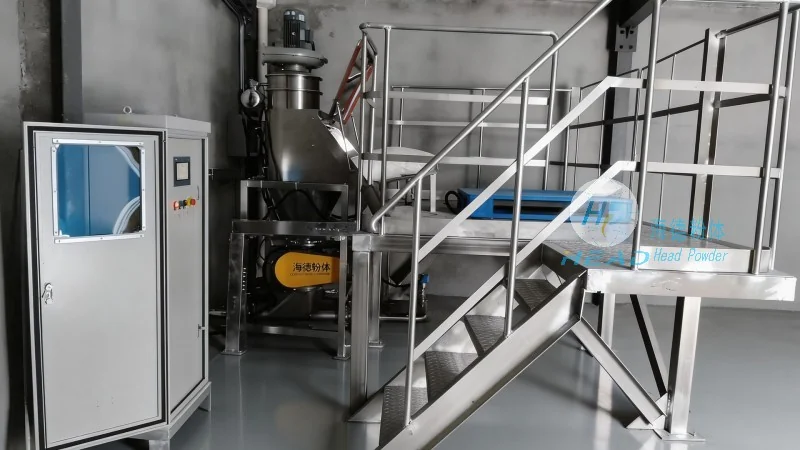
5. Compact and Modular Design: The equipment is often designed as a compact, modular unit that can be easily integrated into existing industrial setups. This flexibility allows for customized solutions tailored to specific production requirements, whether for small-scale or large-scale operations.
Benefits of Using Pneumatic Conveying for Molybdenum Trioxide Powder
Implementing a pneumatic conveying system for molybdenum trioxide powder offers several significant benefits for industrial operations. These include:
1. Improved Material Purity and Consistency: By avoiding direct contact with mechanical components and minimizing exposure to external contaminants, the system helps maintain the high purity of MoO₃. This is vital for applications where even minor impurities can affect the performance of the final product.
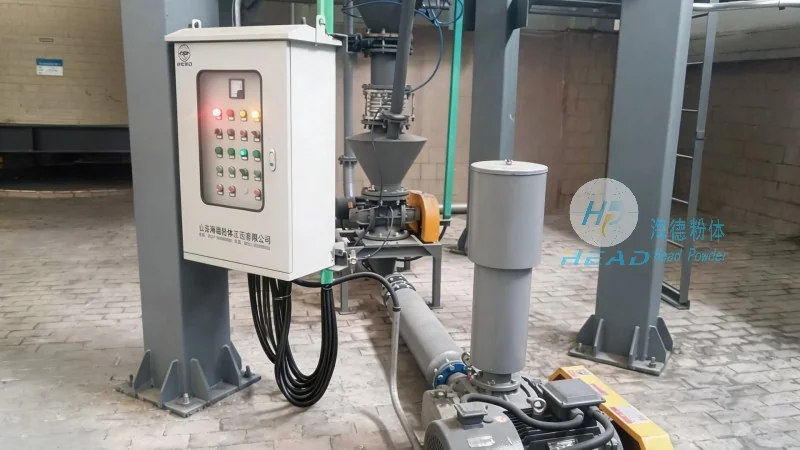
2. Enhanced Safety and Environmental Compliance: The enclosed pipeline design reduces the risk of dust dispersion, making the operation safer for personnel and more environmentally friendly. This compliance with safety and environmental regulations is essential for maintaining operational licenses and avoiding penalties.
3. Increased Efficiency and Reduced Downtime: The efficient transport of MoO₃ powder through the pipeline reduces the need for manual handling and minimizes the risk of material blockages or clogs. This leads to higher throughput and lower maintenance requirements, ultimately improving overall operational efficiency.
4. Cost-Effective Solution: Compared to traditional bulk handling methods, pneumatic conveying systems can be more cost-effective in the long run. The reduced need for labor, lower energy consumption, and minimized material loss contribute to lower operational costs.
Conclusion
In conclusion, the working principle and features of molybdenum trioxide powder pneumatic conveying equipment are tailored to address the unique challenges of handling this high-purity material. By utilizing air or gas to transport the powder through a closed pipeline, the system ensures safety, purity, and efficiency. The key features, including high-purity construction, adjustable air flow, and integrated filtration, make it an ideal solution for industrial applications. For businesses seeking to optimize the handling of molybdenum trioxide powder, investing in a reliable pneumatic conveying system from a reputable manufacturer like Shandong HeadPowder Engineering Co., Ltd. can provide significant benefits in terms of performance, safety, and cost-effectiveness.