

Working Principle and Features of Pneumatic Conveying Equipment for Graphite Electrode Powder
For industrial applications involving the handling of graphite electrode powder, the selection of appropriate material transport systems is critical to ensure efficiency, safety, and product integrity. Pneumatic conveying equipment has emerged as a preferred solution due to its ability to transport fine powders like graphite electrode powder over long distances with minimal contamination and energy efficiency. This article explores the working principle and key features of such equipment, highlighting how it addresses the unique challenges associated with graphite electrode powder handling.
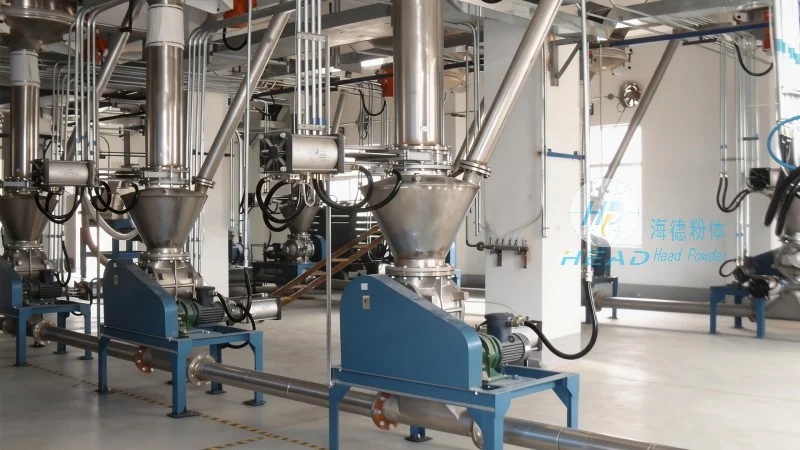
Introduction to Pneumatic Conveying for Graphite Electrode Powder
Graphite electrode powder, a critical component in the production of electrodes for electric arc furnaces and other industrial applications, requires specialized handling due to its fine particle size and potential for dust generation. Traditional methods like belt conveyors or bucket elevators may not be suitable as they can cause particle degradation, agglomeration, or contamination. Pneumatic conveying systems, which use air or gas to transport materials in a sealed pipeline, offer a more controlled and efficient approach. The equipment is designed to handle the specific properties of graphite electrode powder, ensuring that the material remains in its original state while being transported from the source to the destination.
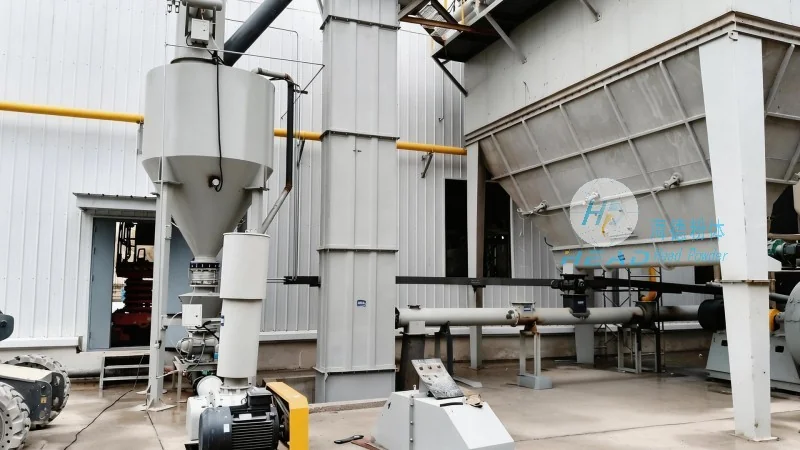
Working Principle of Pneumatic Conveying Equipment
The core of pneumatic conveying equipment lies in its ability to generate a flow of air or gas that propels the powder particles through a pipeline. The system typically consists of a few key components: a material feed hopper, a conveyor line (often with multiple sections), a separation or collection unit, and a dust collection system. The process begins when graphite electrode powder is fed into the hopper. A fan or blower then creates a pressure differential, drawing air into the system and carrying the powder particles along. The velocity of the air is carefully controlled to ensure that the powder remains suspended without settling or causing blockages. As the mixture travels through the pipeline, it may encounter sections with varying diameters or bends, which are designed to minimize pressure loss and maintain consistent flow. At the end of the conveyor line, a separator or cyclone separates the powder from the air, allowing the powder to be collected in a designated container while the air is either recirculated or vented to the atmosphere. This separation process is crucial for maintaining the purity of the graphite electrode powder and preventing dust emissions.
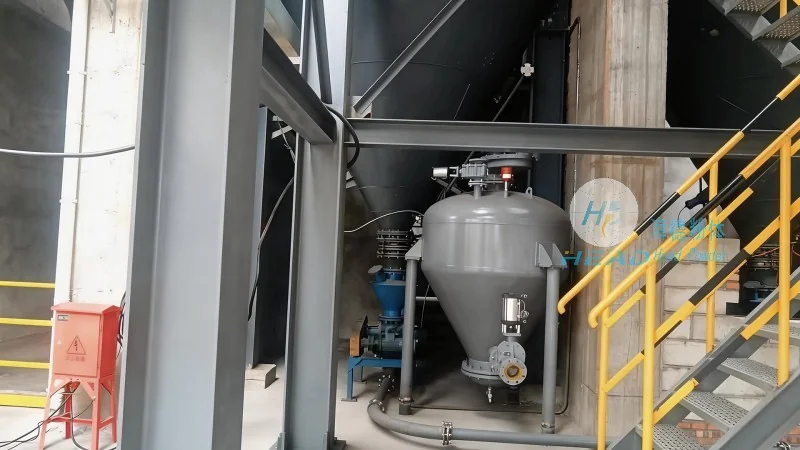
Key Features and Advantages of Pneumatic Conveying Systems
When evaluating pneumatic conveying equipment for graphite electrode powder, several key features stand out as essential for optimal performance. First, the system's ability to handle fine powders without degradation is paramount. The design of the conveyor line, including the use of smooth, non-stick surfaces and appropriate air velocities, prevents particle attrition and agglomeration. Second, the equipment offers high efficiency in terms of material transport, with the ability to move large quantities of graphite electrode powder over long distances with minimal energy consumption. This is achieved through optimized air flow rates and pipeline configurations that reduce pressure drop and energy loss. Third, the system provides excellent containment and dust control. The sealed pipeline design and integrated dust collection units ensure that dust emissions are minimized, complying with environmental regulations and maintaining a safe working environment. Fourth, the equipment is versatile and can be adapted to various production scenarios. It can handle different particle sizes and moisture contents of graphite electrode powder, making it suitable for a range of industrial applications. Additionally, the system's modular design allows for easy expansion or integration with existing production lines, providing flexibility for growing operations.
Company Overview: Shandong HeadPowder Engineering Co., Ltd.
Shandong HeadPowder Engineering Co., Ltd., operating under the brand name headpowder, specializes in the design, manufacturing, and supply of advanced material handling equipment, including pneumatic conveying systems tailored for graphite electrode powder applications. With a focus on innovation and customer-centric solutions, the company leverages years of experience in the powder handling industry to develop equipment that meets the specific needs of clients. The company's facilities are located in Shandong, China, where it employs a team of skilled engineers and technicians dedicated to research and development. By combining state-of-the-art technology with rigorous quality control, headpowder ensures that its pneumatic conveying equipment delivers reliable performance and long-term value to its customers. The company's commitment to excellence has earned it a reputation as a trusted partner in the industrial material handling sector, providing solutions that enhance operational efficiency and product quality.
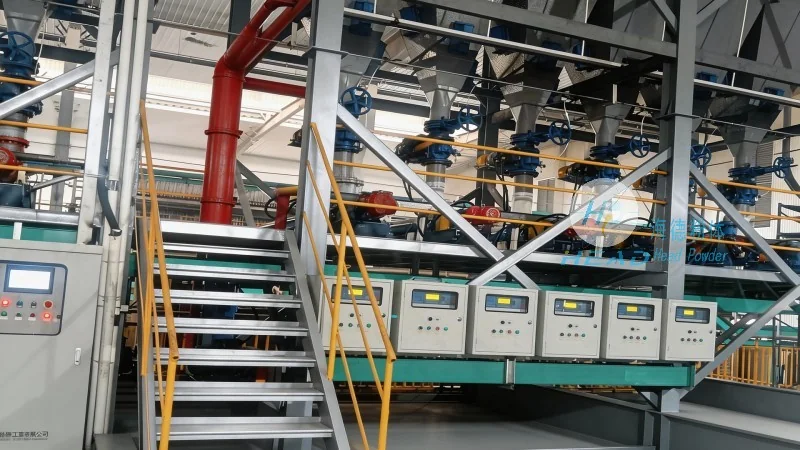
Conclusion: The Role of Pneumatic Conveying in Graphite Electrode Powder Handling
In conclusion, pneumatic conveying equipment plays a vital role in the efficient and safe handling of graphite electrode powder. Its working principle, which relies on air or gas to transport fine particles through a sealed pipeline, addresses the unique challenges associated with this material. The key features of such systems, including their ability to prevent particle degradation, maintain high efficiency, and ensure dust control, make them an ideal choice for industrial applications. Companies like Shandong HeadPowder Engineering Co., Ltd. continue to advance this technology, providing tailored solutions that meet the evolving needs of the industry. As the demand for high-quality graphite electrode powder grows, the importance of reliable material handling systems will only increase, making pneumatic conveying a cornerstone of modern industrial operations.