

How to Choose the Right Pneumatic Conveying System for Your Wool Handling Process?
For businesses in the wool processing industry, selecting the appropriate pneumatic conveying system is a critical decision that impacts operational efficiency, product quality, and overall cost-effectiveness. A well-designed system ensures that wool can be transported safely and efficiently from one stage of the processing line to another, minimizing downtime and maximizing productivity. This guide from Shandong HeadPowder Engineering Co., Ltd. outlines key considerations to help you choose the most suitable pneumatic conveying system for your wool handling needs.
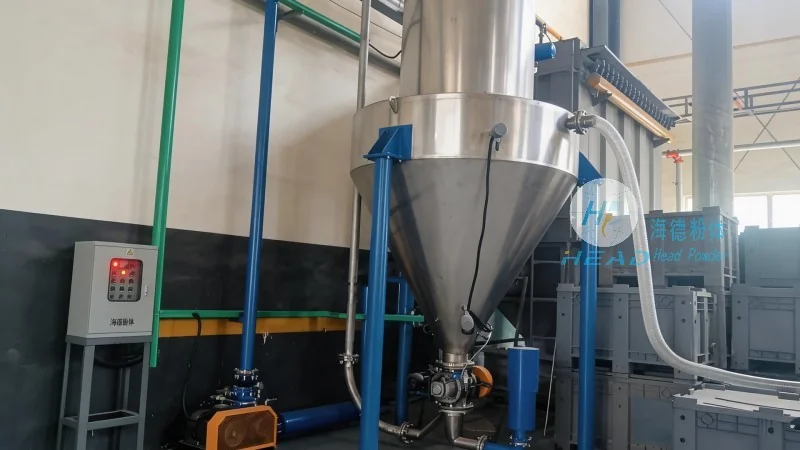
Understanding the Basics of Pneumatic Conveying Systems
Pneumatic conveying systems use air or other gases to transport bulk materials like wool through a network of pipes. There are two primary types: pressure and vacuum systems. Pressure systems force air and material through the system, while vacuum systems draw material into the system using a vacuum. The choice between these depends on factors such as the distance, elevation changes, and material characteristics of the wool being handled.
Key Factors to Consider When Selecting a System
When evaluating pneumatic conveying systems for wool handling, several factors must be taken into account to ensure optimal performance. First, consider the material's physical properties, including its density, moisture content, and flowability. Wool is a fibrous material that can be dusty and prone to static, which may affect the system's design and components. Second, assess the required conveying distance and elevation changes. Longer distances or significant vertical lifts may require more powerful systems or additional components like cyclones or separators to maintain material flow. Third, evaluate the system's capacity and throughput requirements. The system must be able to handle the volume of wool your operation processes, ensuring that it can meet production demands without bottlenecks.
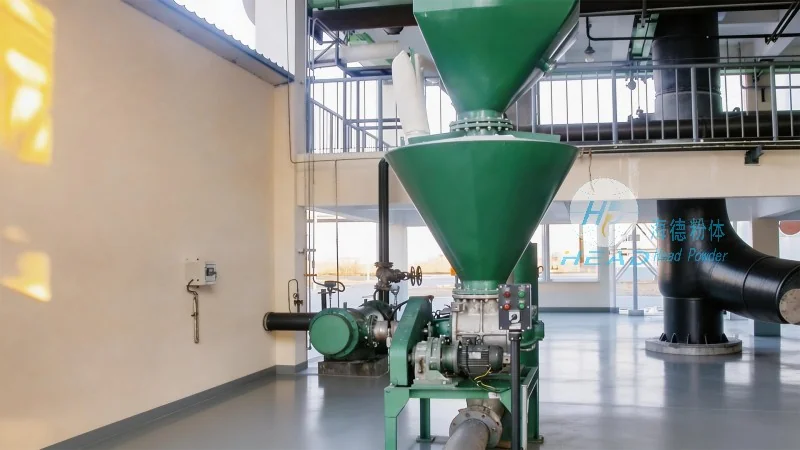
Types of Pneumatic Conveying Systems for Wool Handling
Several pneumatic conveying technologies are suitable for wool handling, each with its own advantages and applications. One common type is the positive pressure system, which uses a blower to push air and wool through the pipeline. This system is ideal for short to medium distances and can handle abrasive materials like wool effectively. Another option is the vacuum system, which uses a vacuum pump to draw wool into the system. Vacuum systems are often preferred for longer distances or when the material needs to be transported from multiple points to a central collection point. Additionally, some systems use a combination of pressure and vacuum, known as a dual-mode system, which offers flexibility for complex layouts.
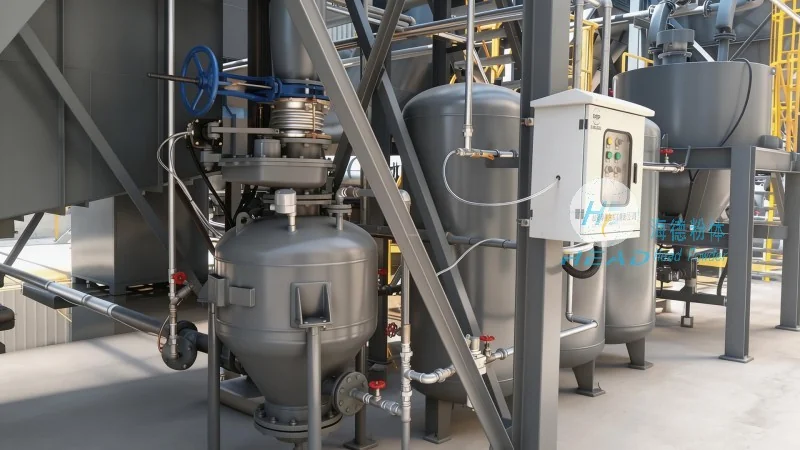
Component Selection and System Design
The effectiveness of a pneumatic conveying system depends heavily on the selection of appropriate components. Key components include the feeder, which controls the flow of wool into the system; the pipeline, which must be designed to handle the material's characteristics and prevent blockages; and the separator or cyclone, which separates the wool from the air at the end of the line. For wool, components made of materials resistant to abrasion and corrosion are essential to ensure long-term durability. The system's design should also account for potential issues like dust accumulation and static electricity, incorporating features such as grounding and filtration to maintain safety and efficiency.
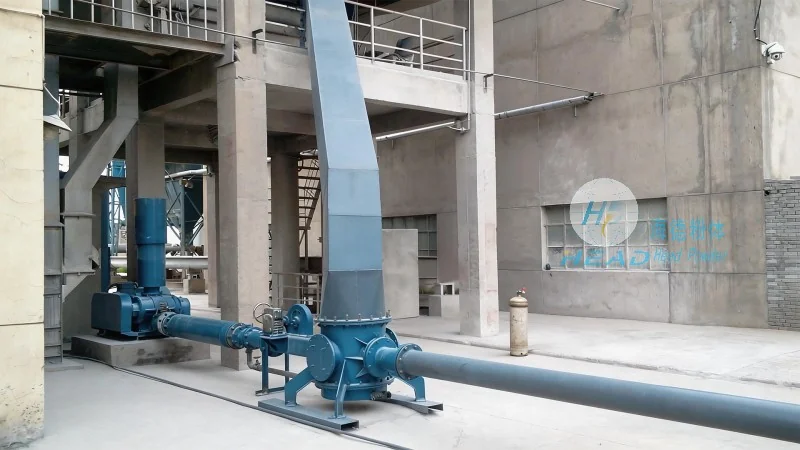
Benefits of Choosing the Right Pneumatic Conveying System
Implementing a properly selected pneumatic conveying system for wool handling offers numerous benefits. Firstly, it enhances operational efficiency by reducing manual handling and minimizing downtime caused by material blockages or system failures. Secondly, it improves product quality by preventing contamination and damage during transport. Wool is a delicate material, and a well-designed system can minimize fiber breakage and maintain its integrity. Thirdly, it reduces labor costs and energy consumption by automating the material transport process. Finally, it provides scalability, allowing the system to be expanded as production needs grow without significant modifications.
Conclusion and Recommendations
Selecting the right pneumatic conveying system for your wool handling process is a decision that requires careful consideration of material properties, operational requirements, and system design. By evaluating factors such as conveying distance, material characteristics, and throughput needs, you can choose a system that maximizes efficiency and minimizes costs. Shandong HeadPowder Engineering Co., Ltd. specializes in designing and manufacturing customized pneumatic conveying systems tailored to the unique needs of wool processing facilities. Our expertise in material handling and system design ensures that your wool handling operation runs smoothly and efficiently, helping you achieve your production goals while maintaining product quality.