

How to Choose the Right Pneumatic Conveying System for Your Gelatin Handling Process
When it comes to managing gelatin in industrial settings, selecting the appropriate pneumatic conveying system is crucial for efficiency, product integrity, and operational reliability. As a leading provider in the field, Shandong HeadPowder Engineering Co., Ltd. specializes in delivering tailored solutions that meet the unique demands of gelatin handling processes. This guide outlines key considerations to help you make an informed decision when choosing a pneumatic conveying system for your gelatin operation.
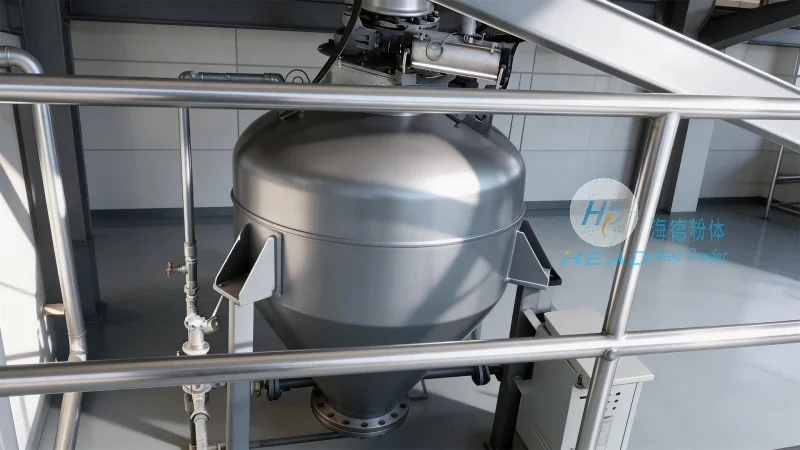
Understanding the Importance of Pneumatic Conveying for Gelatin
Gelatin, a versatile protein derived from collagen, is widely used in food, pharmaceutical, and industrial applications. Its handling requires systems that can maintain product quality while ensuring safe and efficient transport. Pneumatic conveying systems offer several advantages over traditional methods, such as reduced contamination risk, improved hygiene standards, and the ability to handle sensitive materials without mechanical stress. These benefits make them an ideal choice for gelatin processing facilities.
Key Factors to Consider When Selecting a Pneumatic Conveying System
Choosing the right pneumatic conveying system for gelatin involves evaluating several critical factors. First, the type of gelatin being handled—whether it's in powder, granule, or liquid form—will dictate the system design. For instance, powder gelatin may require a pressure or vacuum system, while liquid gelatin might necessitate a different approach. Additionally, the volume and frequency of material transport play a significant role in determining the system's capacity and speed. Shandong HeadPowder Engineering Co., Ltd. offers a range of pneumatic conveying solutions, including positive displacement blowers, rotary lobe pumps, and venturi systems, each tailored to specific gelatin handling needs.
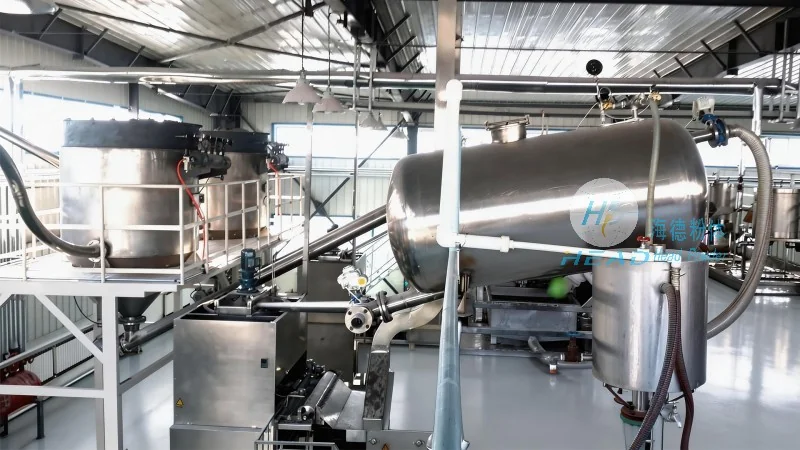
Material Properties and System Compatibility
Gelatin's physical and chemical properties must be carefully considered when selecting a pneumatic conveying system. For example, the moisture content and particle size of the gelatin powder can affect system performance. A system designed for fine, dry powders may not be suitable for coarser or more hygroscopic materials. Shandong HeadPowder Engineering Co., Ltd. conducts thorough material analysis to ensure compatibility, recommending systems that maintain product integrity and prevent agglomeration or degradation. This includes evaluating factors like bulk density, flowability, and potential for caking, which are essential for optimal system operation.
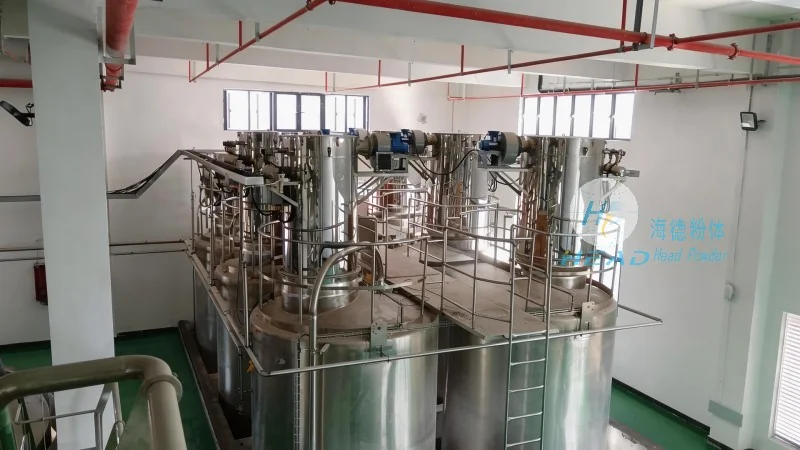
System Integration and Scalability
Another critical aspect of selecting a pneumatic conveying system is its integration with existing infrastructure and future scalability. Many gelatin processing facilities require systems that can be easily integrated into current production lines without disrupting operations. Shandong HeadPowder Engineering Co., Ltd. provides customized solutions that align with existing equipment, ensuring seamless operation. Moreover, as production needs grow, the system should be scalable to accommodate increased material volumes. This involves considering factors like system pressure, air flow capacity, and the ability to add additional conveying lines or storage units. By choosing a scalable system, facilities can avoid costly upgrades and maintain operational efficiency over time.
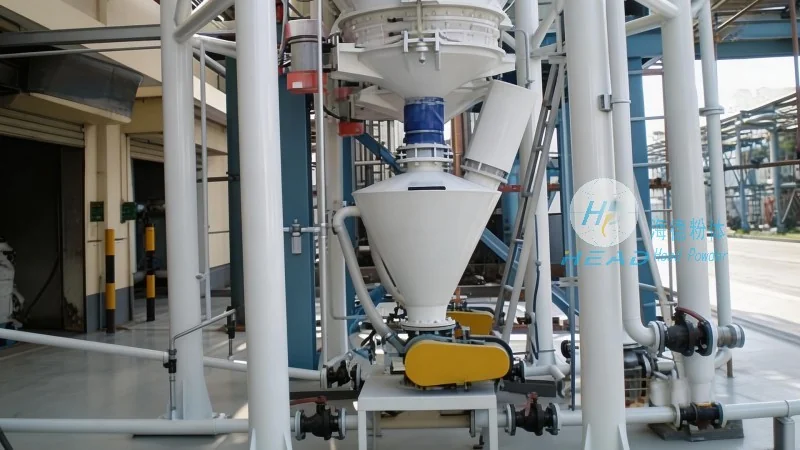
Maintenance and Operational Costs
Long-term operational costs and maintenance requirements are important considerations when selecting a pneumatic conveying system for gelatin. Systems with lower maintenance needs and energy efficiency can significantly reduce overall costs. Shandong HeadPowder Engineering Co., Ltd. offers systems designed for minimal downtime and easy maintenance, such as self-cleaning filters and durable components that resist corrosion and wear. Additionally, energy-efficient blowers and optimized system designs help reduce operational expenses while maintaining performance. By evaluating maintenance schedules, component lifespan, and energy consumption, facilities can select a system that provides long-term value and cost-effectiveness.
Conclusion
Selecting the right pneumatic conveying system for your gelatin handling process is a decision that impacts product quality, operational efficiency, and overall business success. By considering factors such as material properties, system compatibility, integration needs, and long-term costs, you can choose a solution that meets your specific requirements. Shandong HeadPowder Engineering Co., Ltd. is committed to providing expert guidance and tailored solutions to help you achieve optimal performance in your gelatin processing operations. With a focus on quality, reliability, and customer satisfaction, our team works closely with clients to design and implement pneumatic conveying systems that enhance productivity and ensure the integrity of your gelatin products.