

How to Choose the Right Pneumatic Conveying System for Your Desulfurization Fly Ash Handling Process?
When managing desulfurization fly ash, selecting an appropriate pneumatic conveying system is crucial for ensuring efficient, safe, and cost-effective material transport. The choice of system directly impacts operational performance, environmental compliance, and overall process reliability. This guide outlines key considerations and insights to help you make an informed decision, with a focus on the expertise of Shandong HeadPowder Engineering Co., Ltd., a leading provider in the field.
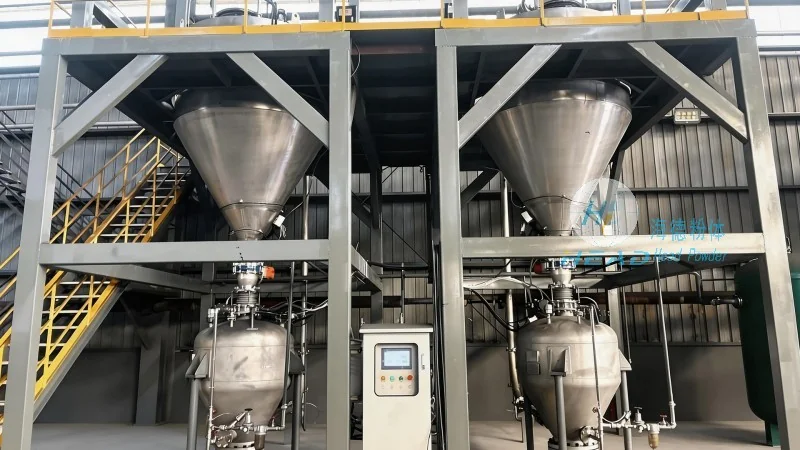
Understanding the Challenges of Desulfurization Fly Ash Handling
Desulfurization fly ash, a byproduct of flue gas desulfurization processes in power plants and industrial facilities, presents unique handling challenges. It is typically a fine, powdery material with high moisture content and abrasive properties, which can lead to blockages, equipment wear, and environmental contamination if not handled properly. Traditional methods like belt conveyors or bucket elevators may struggle with these characteristics, making pneumatic conveying a preferred solution for many applications.
HeadPowder: Your Partner in Pneumatic Conveying Solutions
Shandong HeadPowder Engineering Co., Ltd., commonly known as HeadPowder, is a specialized engineering firm based in Shandong, China, dedicated to providing tailored pneumatic conveying systems for industrial applications. With years of experience in the field, HeadPowder understands the specific demands of handling desulfurization fly ash and offers comprehensive solutions that address the unique challenges of this material. The company’s expertise lies in designing systems that ensure efficient transport, minimal maintenance, and compliance with environmental regulations.
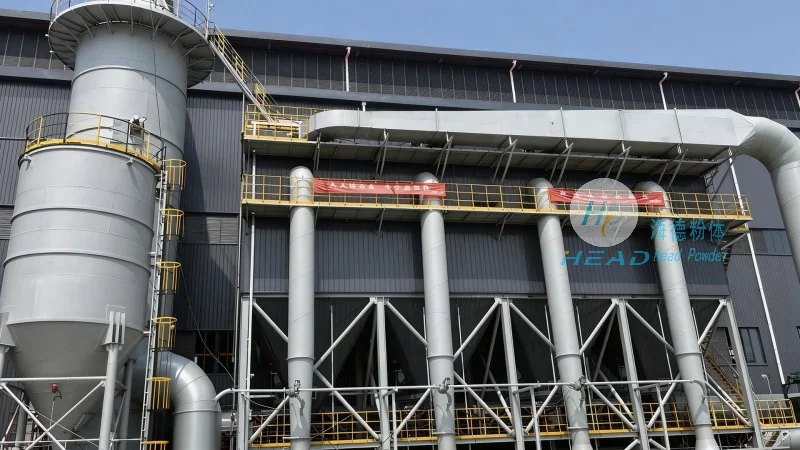
Types of Pneumatic Conveying Systems for Fly Ash
There are two primary categories of pneumatic conveying systems: positive pressure and negative pressure. Each has distinct advantages and is suitable for different scenarios. Positive pressure systems use a blower to force air and material through the pipeline, making them ideal for long-distance or high-volume transport. Negative pressure systems, on the other hand, use a vacuum to draw material into the system, which is often preferred for shorter distances or when the material is sensitive to pressure changes.
Key Factors to Consider When Selecting a System
Choosing the right pneumatic conveying system for your desulfurization fly ash process involves evaluating several critical factors. The first consideration is the physical properties of the fly ash, including particle size, moisture content, and bulk density. These characteristics influence the system’s design, such as the required air velocity and pipeline diameter. The second factor is the distance and layout of the transport route. Longer distances may necessitate positive pressure systems with booster stations to maintain material flow. Additionally, the system’s capacity and the need for flexibility in handling varying ash volumes are important. Safety considerations, including explosion-proof designs and dust control measures, are also paramount, especially in industrial environments where fire and explosion risks are present.
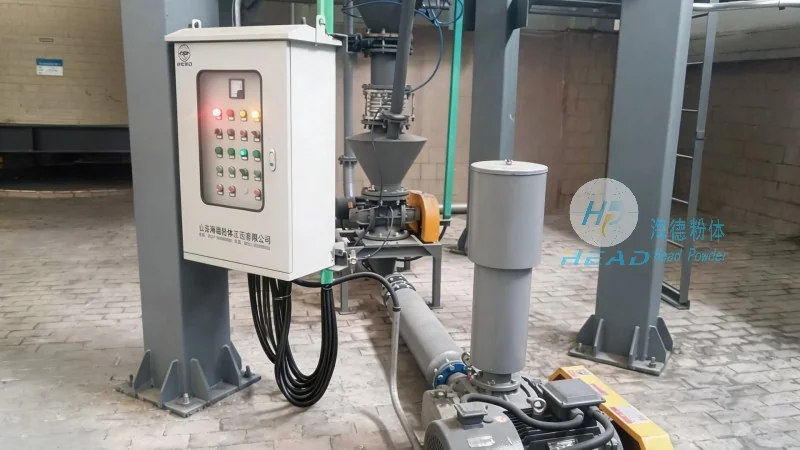
Customized Solutions from HeadPowder
HeadPowder takes a customized approach to system design, working closely with clients to understand their specific operational needs and constraints. The company’s engineers conduct thorough assessments of the fly ash characteristics, process requirements, and site conditions to develop a tailored solution. This may include selecting the appropriate type of system (positive or negative pressure), determining the optimal air flow rates, and specifying the necessary equipment such as blowers, filters, and control systems. By focusing on the unique aspects of each project, HeadPowder ensures that the selected system is not only efficient but also reliable and cost-effective over the long term.
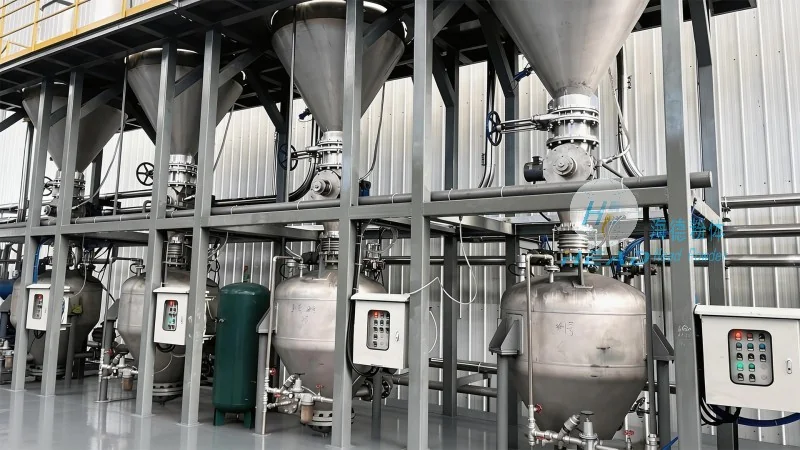
Ensuring Efficiency and Compliance
Efficient pneumatic conveying systems for desulfurization fly ash not only improve operational performance but also contribute to environmental compliance. Proper system design minimizes dust emissions and ensures that the material is transported without spillage or contamination. HeadPowder’s solutions are designed with environmental considerations in mind, incorporating features like dust collection and filtration to meet regulatory standards. Additionally, the company’s systems are built to withstand the abrasive nature of fly ash, reducing maintenance costs and extending equipment life. By choosing a system from HeadPowder, facilities can achieve reliable material transport while maintaining safety and compliance.
Conclusion
Selecting the right pneumatic conveying system for your desulfurization fly ash handling process is a critical decision that impacts the overall efficiency and sustainability of your operations. With its expertise and customized approach, Shandong HeadPowder Engineering Co., Ltd. offers reliable solutions that address the unique challenges of handling this material. By considering factors such as fly ash properties, transport distance, and safety requirements, and partnering with a trusted provider like HeadPowder, you can ensure that your system meets your operational needs while contributing to a safer and more efficient process.