

How to Choose the Right Pneumatic Conveying System for Your Fly Ash Handling Process?
For industrial facilities dealing with fly ash, selecting an appropriate pneumatic conveying system is a critical decision that impacts operational efficiency, safety, and overall process reliability. The right system can streamline material transport, reduce downtime, and enhance environmental compliance. This guide from Shandong HeadPowder Engineering Co., Ltd. (commonly known as HeadPowder) provides insights into the key considerations and steps to ensure optimal selection for your fly ash handling process.
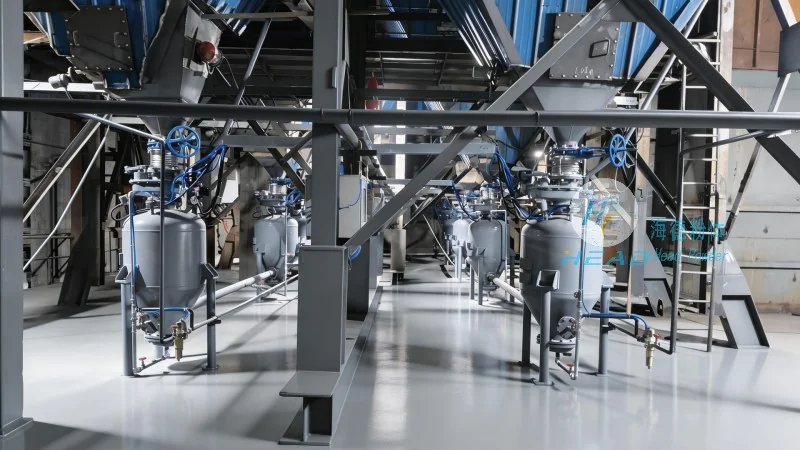
Understanding the Role of Pneumatic Conveying in Fly Ash Management
Fly ash, a byproduct of coal combustion, poses unique challenges due to its fine particle size, moisture content, and potential for dust generation. Traditional bulk material handling methods like belt conveyors or bucket elevators may not be suitable for fly ash due to its tendency to clog, degrade, or create health hazards. Pneumatic conveying systems offer a solution by using air to transport materials through a closed pipeline system, minimizing exposure to dust and ensuring consistent flow. This method is particularly effective for handling fly ash over moderate to long distances, from storage silos to processing units or disposal sites.
Key Factors to Consider When Selecting a Pneumatic Conveying System
Choosing the right pneumatic conveying system for fly ash requires a thorough evaluation of several factors. The first step is to assess the specific characteristics of the fly ash being handled. This includes particle size distribution, moisture content, bulk density, and flowability. These properties determine the type of conveying system best suited for the application—whether it’s a positive pressure system, negative pressure system, or a hybrid approach.
Another critical factor is the distance and layout of the conveying route. Short-distance transport may be efficiently handled by a positive pressure system with a simple pipeline configuration, while longer distances or complex layouts might necessitate a combination of positive and negative pressure zones to maintain system efficiency and pressure differentials. The required throughput or material handling capacity is also essential, as it dictates the size of the system components, including the air compressor or vacuum pump, and the diameter of the conveying pipes.
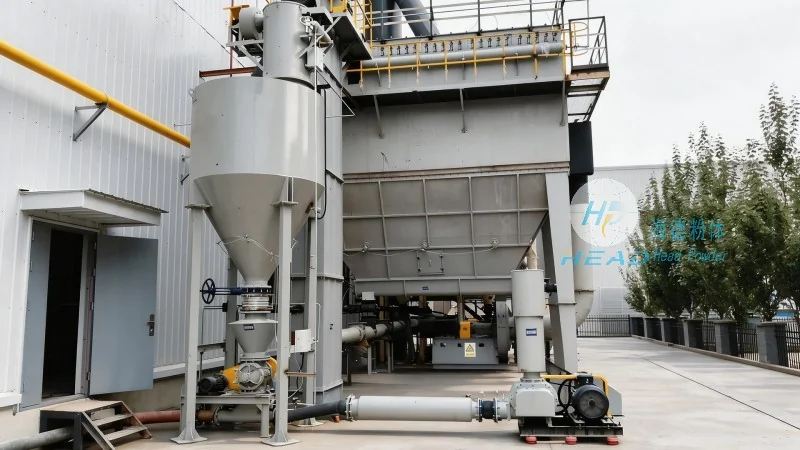
System reliability and maintenance requirements are equally important considerations. A well-designed system from HeadPowder incorporates robust components such as high-quality air blowers, efficient separation equipment, and durable pipeline materials that can withstand the abrasive nature of fly ash. The choice of system also impacts operational costs, including energy consumption, which can be optimized through the selection of energy-efficient blowers and proper system sizing.
Components of a Typical Pneumatic Conveying System for Fly Ash
A pneumatic conveying system for fly ash typically consists of several key components that work in tandem to ensure smooth material transport. The system starts with a material feeder, which may be a rotary valve or a pressure feeder, designed to introduce fly ash into the pipeline at a controlled rate. This feeder is crucial for maintaining consistent flow and preventing clogging, especially in systems handling fine or cohesive fly ash particles.
The conveying pipeline, usually made of stainless steel or other corrosion-resistant materials, carries the fly ash mixed with air. The design of the pipeline, including bends, elbows, and expansion joints, is optimized to minimize pressure losses and ensure smooth material movement. At the receiving end, a separator or cyclone is used to separate the fly ash from the air stream, allowing the material to be deposited in a storage silo or processing unit. The separated air is then filtered and discharged, ensuring compliance with environmental regulations.
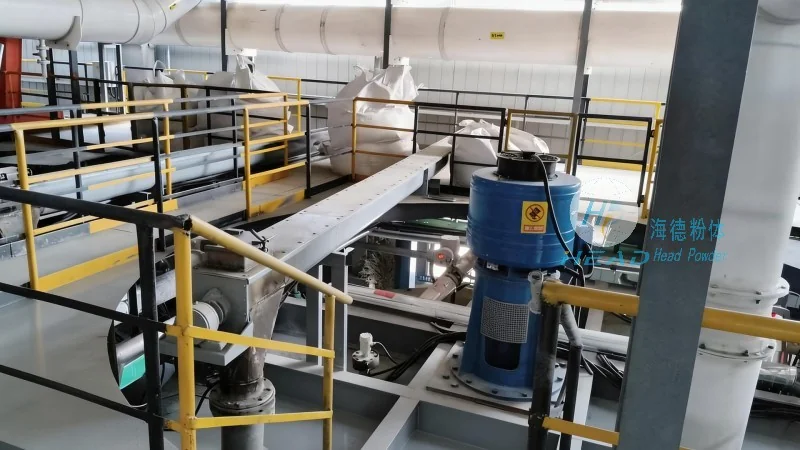
Control systems play a vital role in managing the pneumatic conveying process. Modern systems from HeadPowder are equipped with advanced controls that monitor pressure, flow rate, and material levels in real-time. These controls enable automated operation, reducing the need for manual intervention and enhancing system safety. Additionally, the system may include safety features such as pressure relief valves and dust suppression mechanisms to prevent accidents and protect personnel.
Benefits of Choosing a System from HeadPowder
HeadPowder, based in Shandong, China, specializes in the design, manufacturing, and installation of customized pneumatic conveying systems tailored to the unique needs of industrial facilities. With years of experience in handling challenging materials like fly ash, HeadPowder offers solutions that are not only efficient but also reliable and cost-effective. The company’s expertise lies in understanding the specific challenges of fly ash handling and providing tailored solutions that address these challenges effectively.
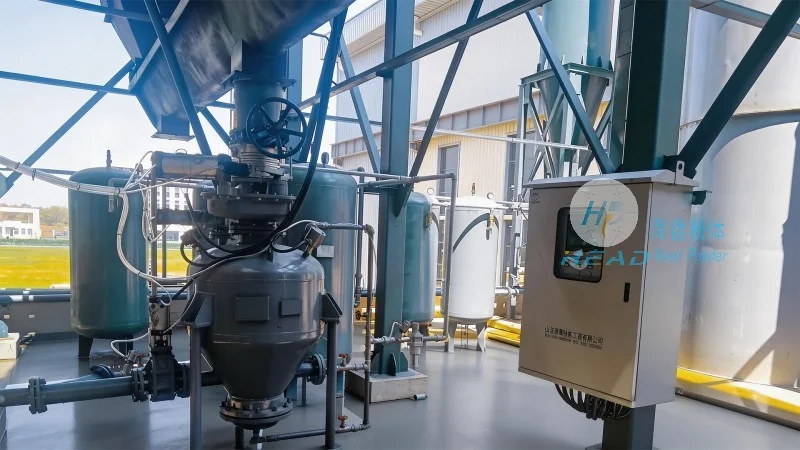
One of the key benefits of selecting a system from HeadPowder is the comprehensive approach to system design. The company works closely with clients to assess their operational requirements, site conditions, and material characteristics, ensuring that the final system is optimized for performance and longevity. This personalized service includes detailed engineering, material selection, and system testing to validate performance before installation.
Another advantage is the use of high-quality components and materials. HeadPowder utilizes advanced manufacturing techniques and corrosion-resistant materials to ensure that the system components can withstand the harsh conditions of fly ash handling. This not only enhances the system’s durability but also reduces maintenance costs over the long term. The company also provides ongoing support and maintenance services to ensure that the system continues to operate at peak efficiency throughout its service life.
Conclusion: Making the Right Choice for Your Fly Ash Handling Process
Selecting the right pneumatic conveying system for your fly ash handling process is a decision that requires careful consideration of material characteristics, operational requirements, and system reliability. By understanding the key factors involved and leveraging the expertise of a trusted provider like HeadPowder, industrial facilities can achieve efficient, safe, and cost-effective material transport. The systems offered by HeadPowder are designed to meet the specific needs of fly ash handling, ensuring that facilities can optimize their operations while maintaining compliance with environmental standards.